
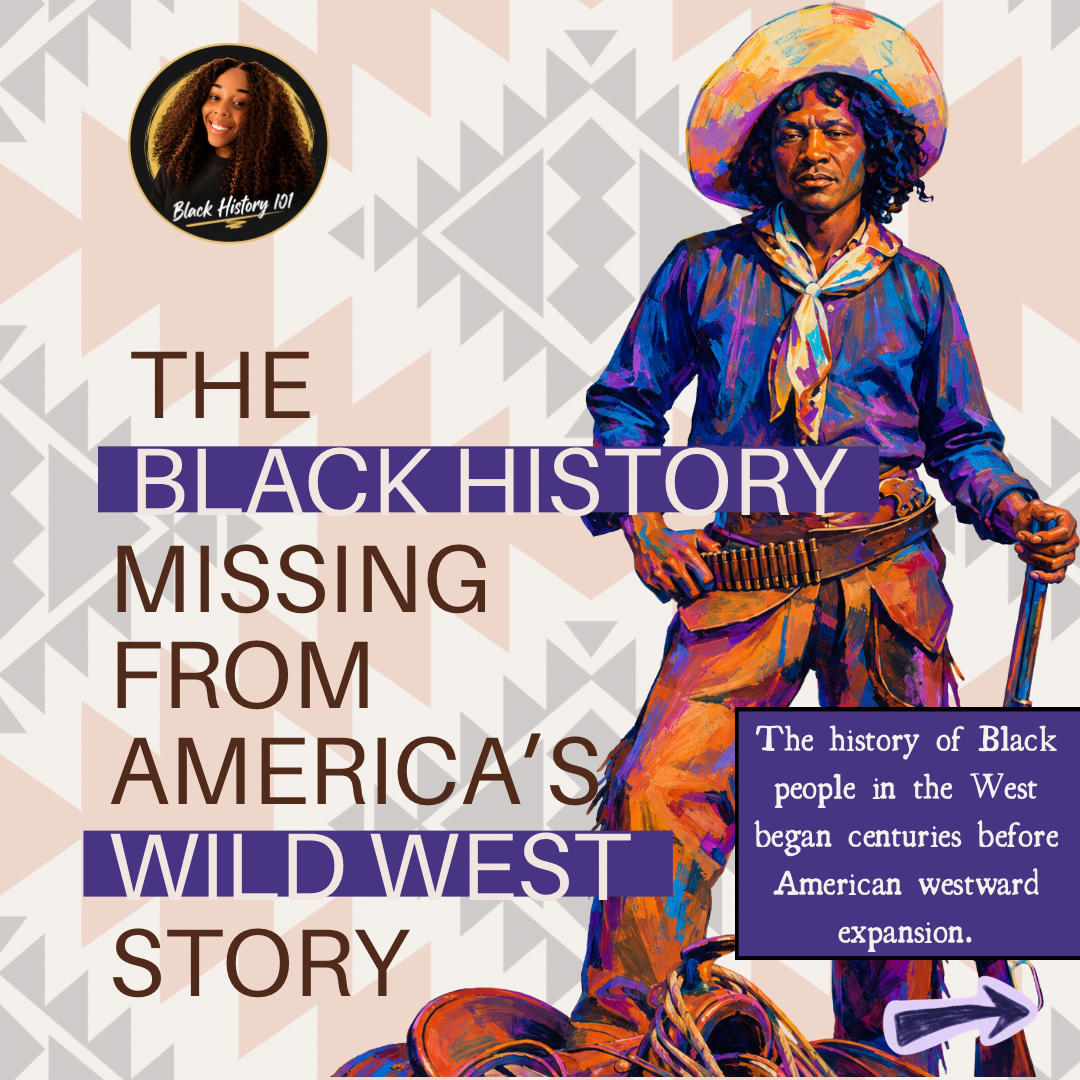
The Black History Missing From America’s Wild West Story
The history of Black people in the West began centuries before American westward expansion.
Publication date — to be added
Introduction
The history of Black people in the West began centuries before American westward expansion.
In 1528, Esteban, an enslaved African born in Azamor, Morocco, arrived near present-day Texas after surviving the failed Narváez expedition. His presence reveals that the history of African descended people in the West began centuries before the Louisiana Purchase or the westward expansion of the United States.
This visual essay follows the evidence slide by slide: Black people already living in the West, why Black Americans moved west after emancipation, what the Black experience in the West actually looked like, Black women building western communities, Black freedom on Indigenous land, and the Oklahoma “promise land.”
Digital PDF
Keep this essay.
Explore downloadable Black History 101 Visual Essay learning guides for deeper learning, classroom use, and independent study.
Sources & Further Reading
- Hardaway, Roger D. “The African-American Women on the Western Frontier.” Negro History Bulletin 60, no. 1 (1997): 8–12.
- Littlefield, Daniel F., Jr., and Lonnie E. Underhill. “Black Dreams and ‘Free’ Homes: The Oklahoma Territory, 1891–1894.” Phylon 34, no. 4 (1973): 342–357.
- National Archives and Records Administration. “Exodusters & Western Expansion.” African American Heritage.
- National Park Service. “Edward P. McCabe.”
- National Park Service. “Exodusters.” Homestead National Historical Park.
- Roberts, Alaina E. I’ve Been Here All the While: Black Freedom on Native Land. Philadelphia: University of Pennsylvania Press, 2021.
- Taylor, Quintard. “African American Men in the American West, 1528–1990.” The Annals of the American Academy of Political and Social Science 569, no. 1 (May 2000): 102–119.
- Taylor, Quintard. “Facing the Urban Frontier: African American History in the Reshaping of the Twentieth-Century American West.” Western Historical Quarterly 43, no. 1 (Spring 2012): 5–27.
Related Essays
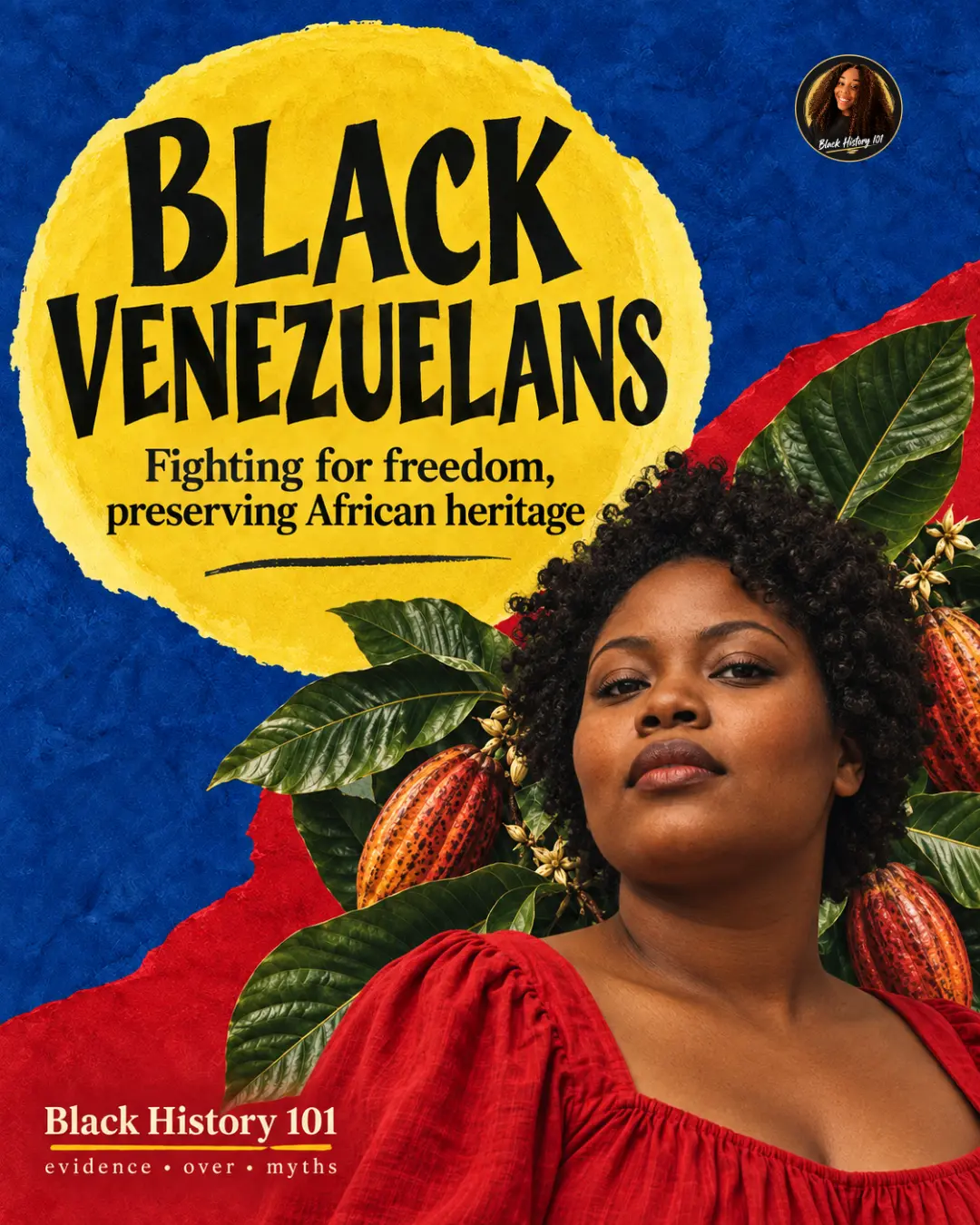
Black Venezuelans
Fighting for freedom, preserving African heritage
From the early 1500s, enslaved Africans in Venezuela worked in mining and agriculture, escaped to build their own communities, rose up at Coro in 1795, and sustained African traditions that their descendants continue to defend.
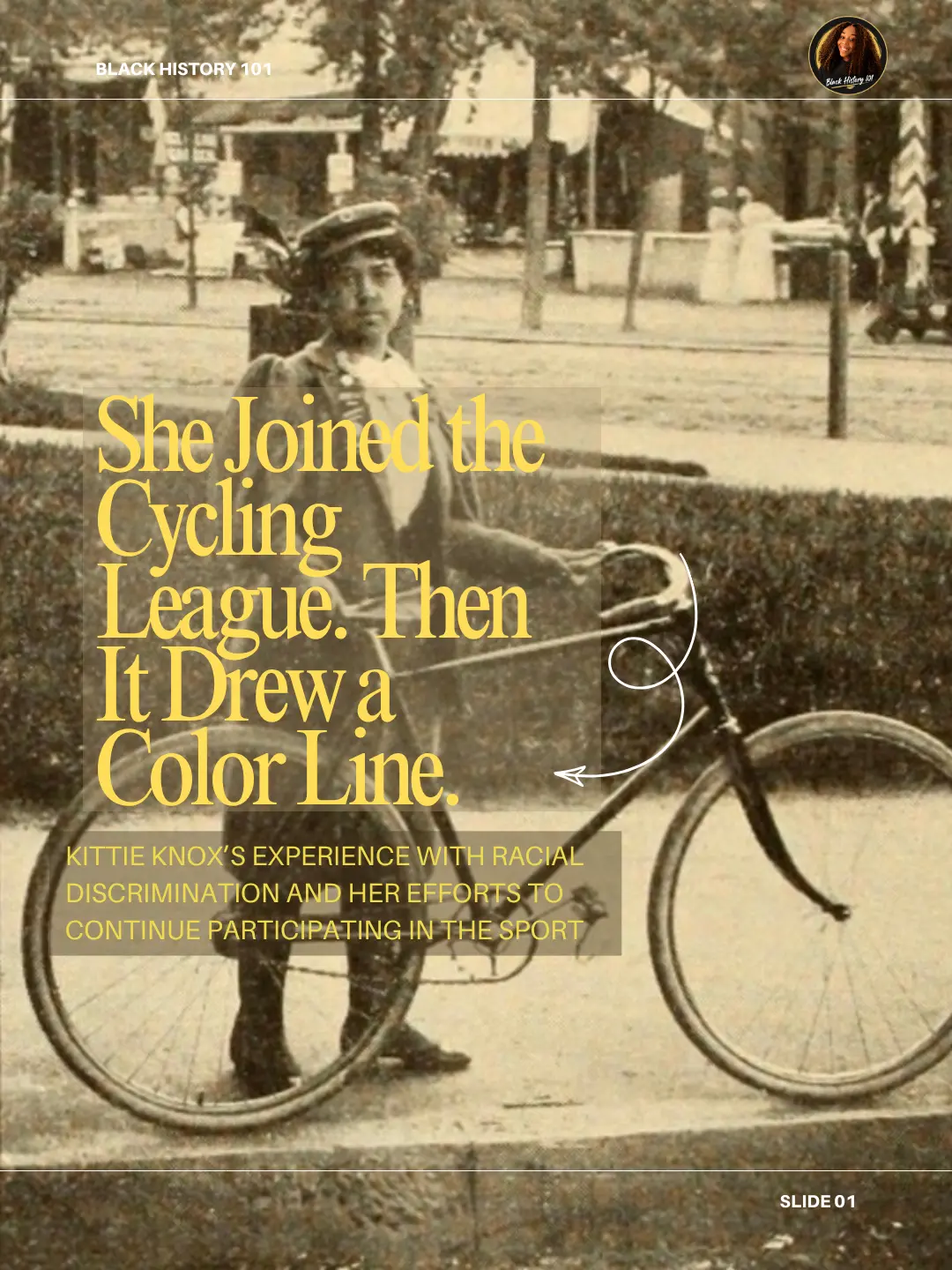
She Joined the Cycling League. Then It Drew a Color Line.
Kittie Knox's experience with racial discrimination and her efforts to continue participating in the sport.
Kittie Knox joined the League of American Wheelmen in 1893. When the league restricted new membership to white people the next year, her eligibility was questioned, and she kept presenting her credentials and riding.
Join The 101
The story doesn't end here.
Join The 101 and get the monthly Black History 101 letter—a story worth knowing, the context behind it, and what to read or watch next.
Free to join. Receive the monthly Black History 101 letter plus occasional updates about new resources, courses, and programs. Unsubscribe anytime.
Keep Learning
Classroom-ready Black history resources, courses and teaching materials.
Explore Educator ResourcesFor FamiliesResources for parents and caregivers who want to explore Black history at home.
Learn TogetherFor Curious MindsVisual essays, courses and resources for independent learners who want to go deeper.
Start Exploring