Resources

Tools for Teaching & Learning

Educational resources built on the same standard as the essays: sourced, contextual, and honest about complexity.

Ready to go deeper?

The Visual Essay Is the Starting Point.

The free Visual Essays introduce the history. The Visual Essay Learning Guides help you go further—examining the evidence, historical context, sources, and questions behind the story.

Use them for independent study, family learning, or as a companion to the Visual Essay when you want more than an introduction.

Explore the Learning Guides →

Download the essay for free. Go deeper with the Learning Guide.

Free downloads

Download & Use

Free, sourced Black History 101 materials. No email required.

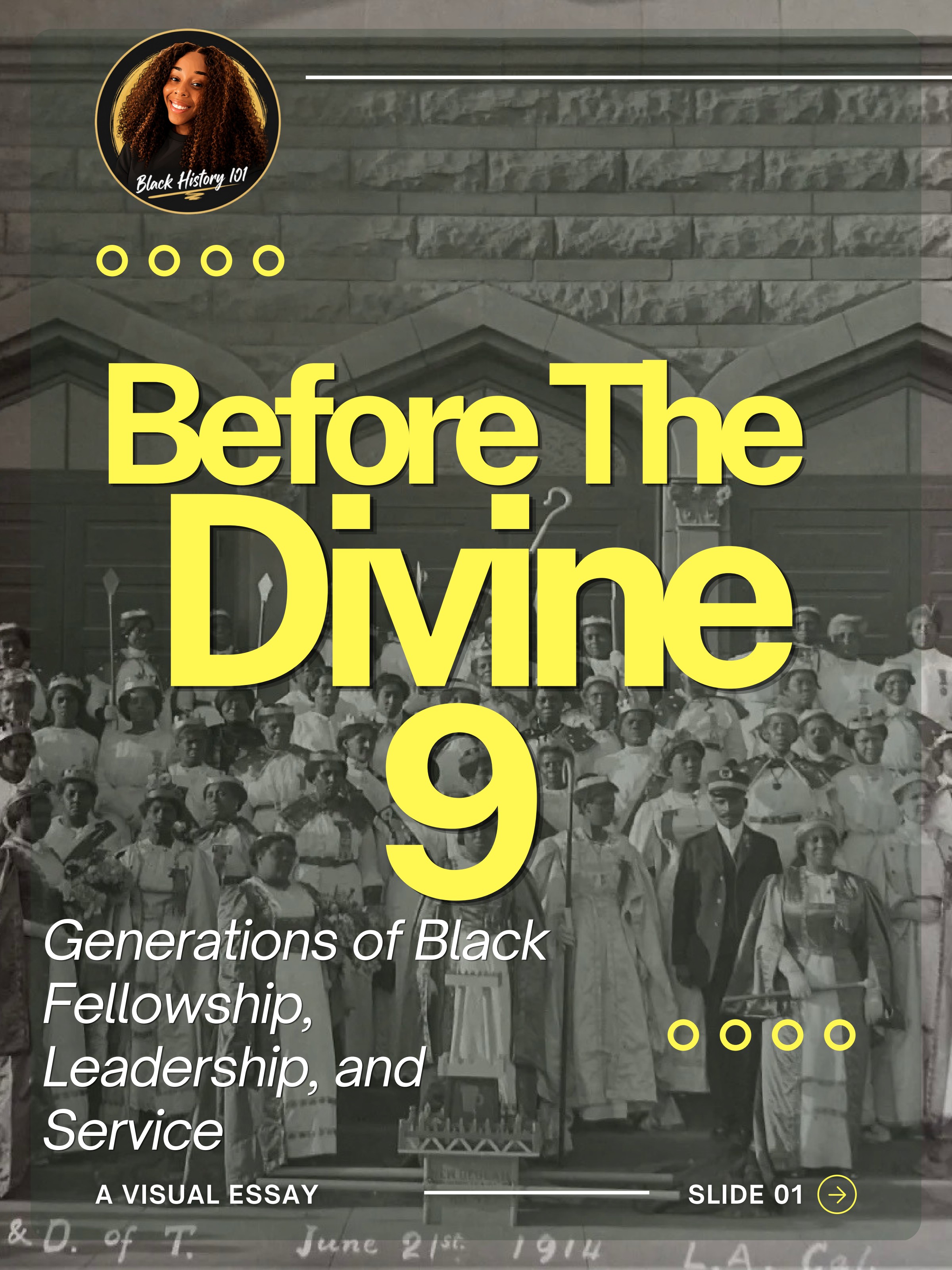
Cover of Before the Divine 9, a Black History 101 visual essay
Free downloadPDF

Before the Divine 9

Generations of Black Fellowship, Leadership, and Service

A nine-slide visual essay on the Black fraternal orders that organized before the Divine Nine: Prince Hall Freemasonry, the Grand United Order of Odd Fellows, the United Brothers of Friendship, the Order of St. Luke, and the Improved Benevolent and Protective Order of Elks of the World, along with the women’s organizations tied to them. Includes a full source list.
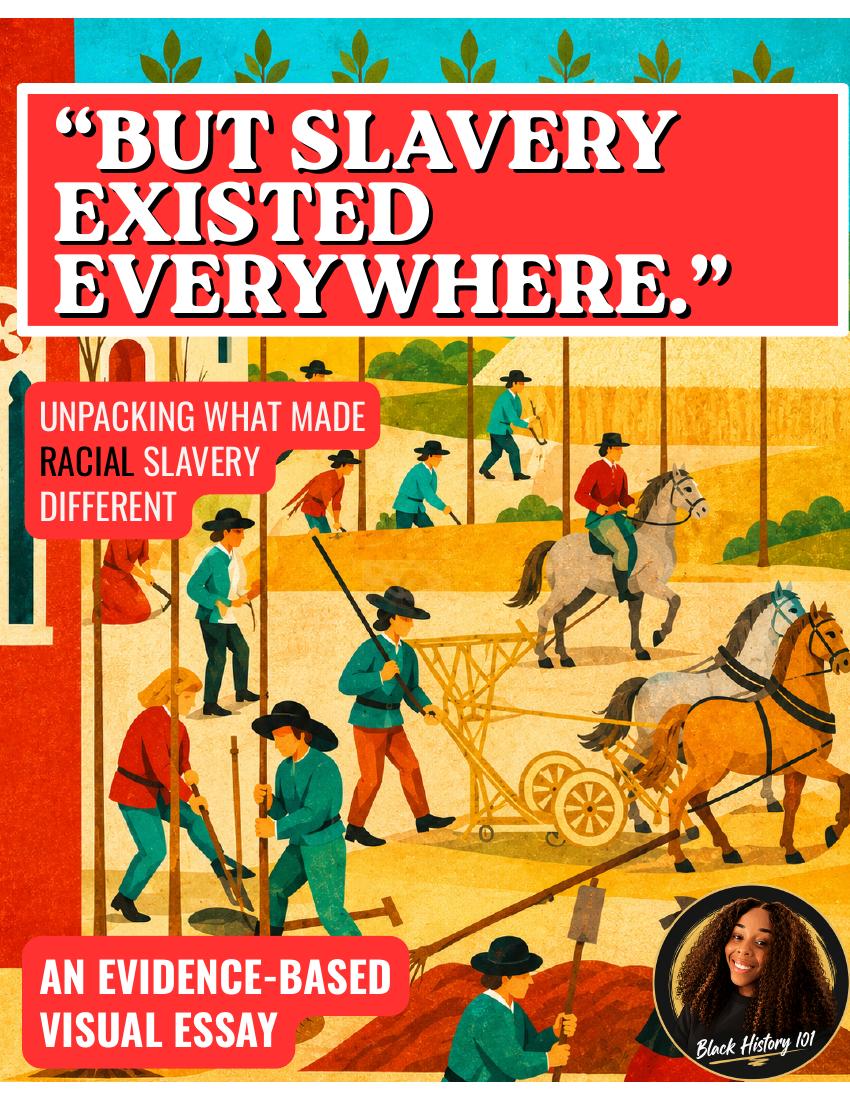
Cover of “But Slavery Existed Everywhere.” a Black History 101 visual essay
Free downloadPDF

“But Slavery Existed Everywhere.”

Unpacking What Made Racial Slavery Different

An evidence-based visual essay tracing how slavery in the Roman world, medieval Western Europe, and the Christian Mediterranean differed from the racial slavery that developed as European powers expanded into the Atlantic from the 15th century onward. Covers African presence in Europe before the trans-Atlantic slave trade, the shift from chattel slavery to serfdom, church restrictions on enslaving Christians, and the point at which Blackness and African ancestry came to define who could be enslaved.

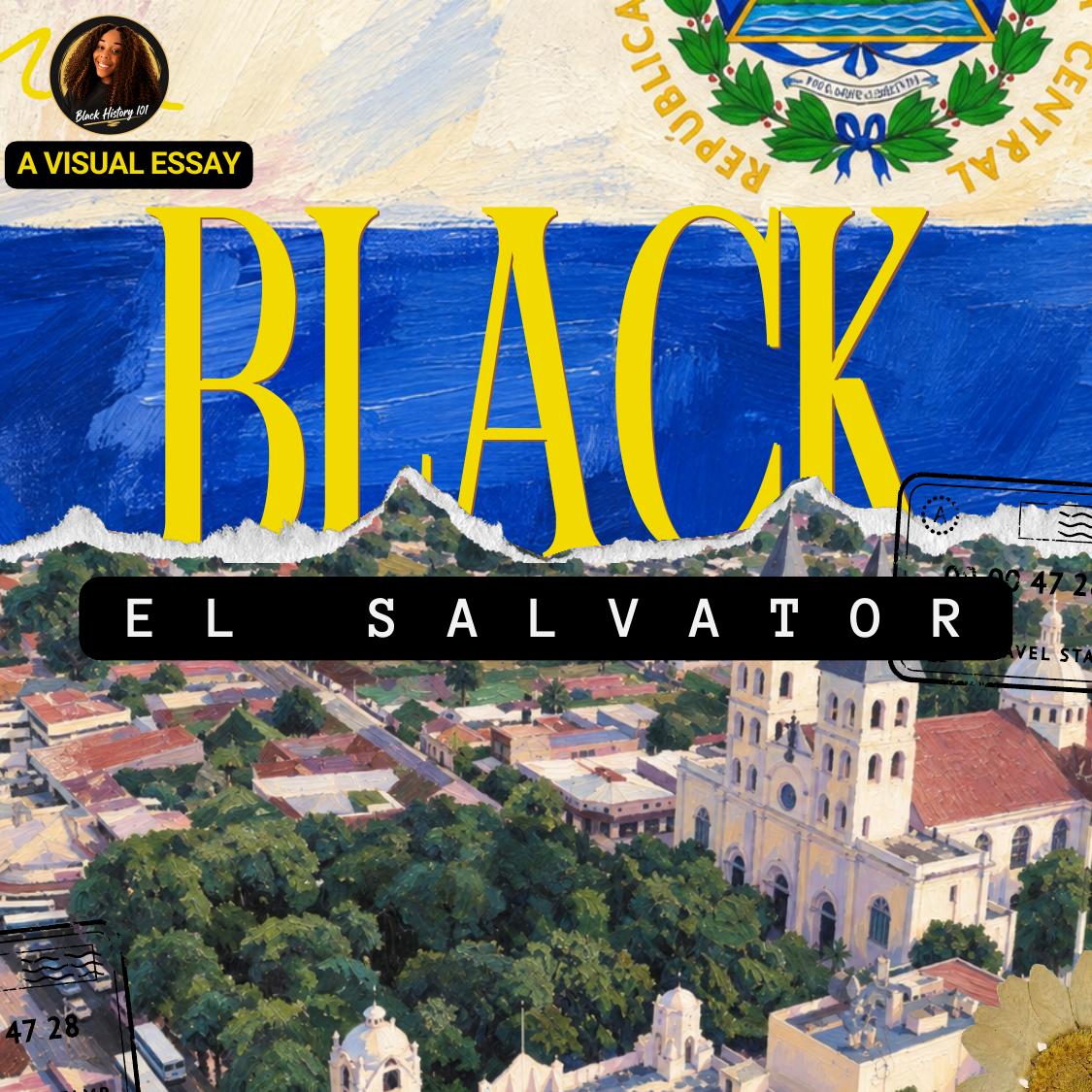
Cover of Black El Salvador, a Black History 101 visual essay
Free downloadPDF

Black El Salvador

A Visual Essay

A visual essay on African presence in El Salvador from Spanish colonization through today: enslaved and free Black communities in San Miguel, Sonsonate, and San Salvador; why the record is hard to trace; how national identity centered mestizo belonging; Afro-Salvadoran participation in the 1932 uprising and La Matanza; the 1933 migration law banning Black immigration; and the organizations, artists, and writers working for recognition today. Includes a full source list.
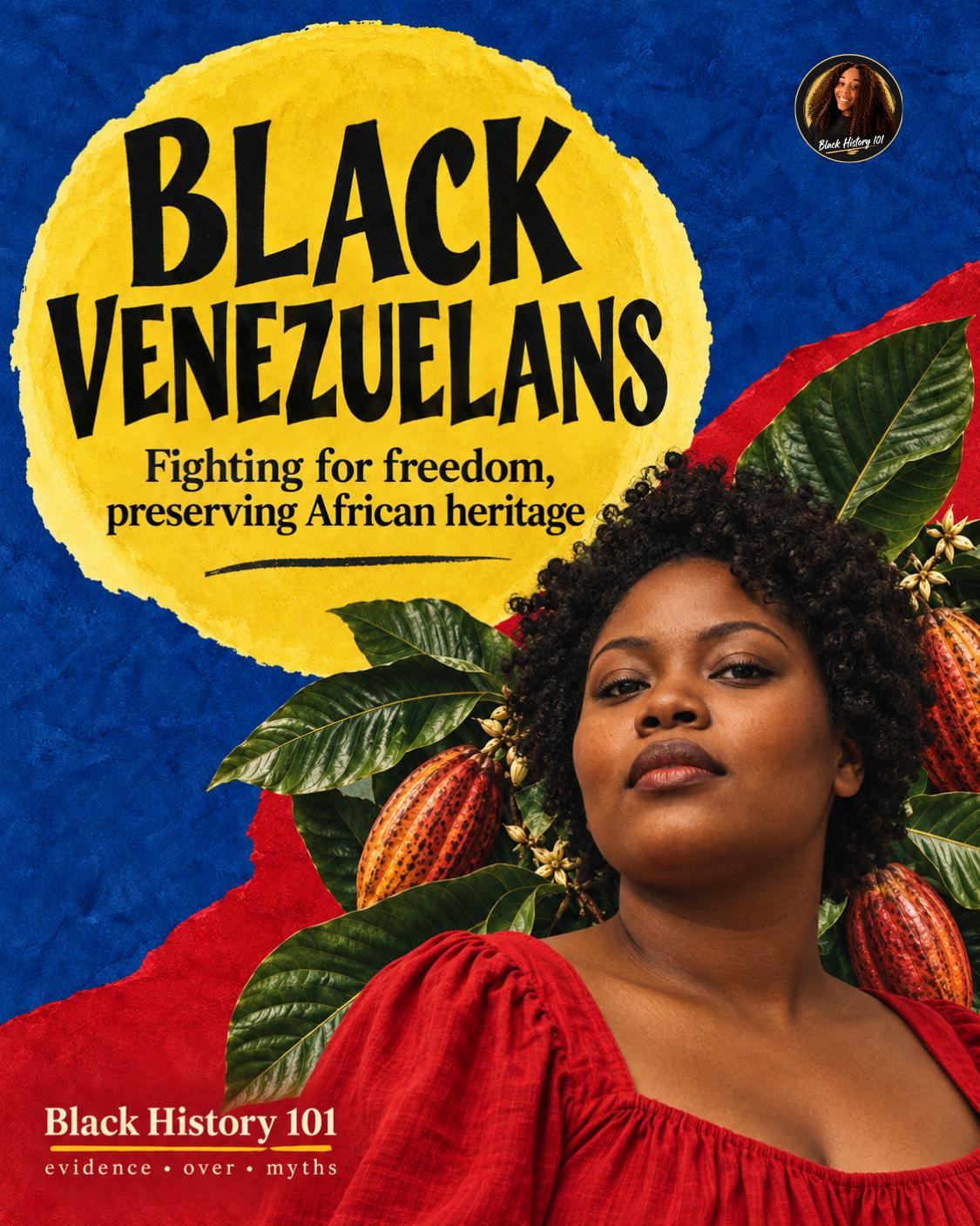
Cover of Black Venezuelans, a Black History 101 visual essay
Free downloadPDF

Black Venezuelans

Fighting for freedom, preserving African heritage

A visual essay on Africans in Venezuela from the early 1500s: forced labor in mining and on Barlovento cacao plantations, Miguel and Guiomar’s community of African and Indigenous fugitives, the cumbes built outside slavery, the 1795 Coro rebellion and José Leonardo Chirino, the limits of a record written by the authorities who suppressed it, abolition in 1854 and the exclusion that followed, and the traditions and organizing that Black Venezuelans sustain today. Includes a full source list.
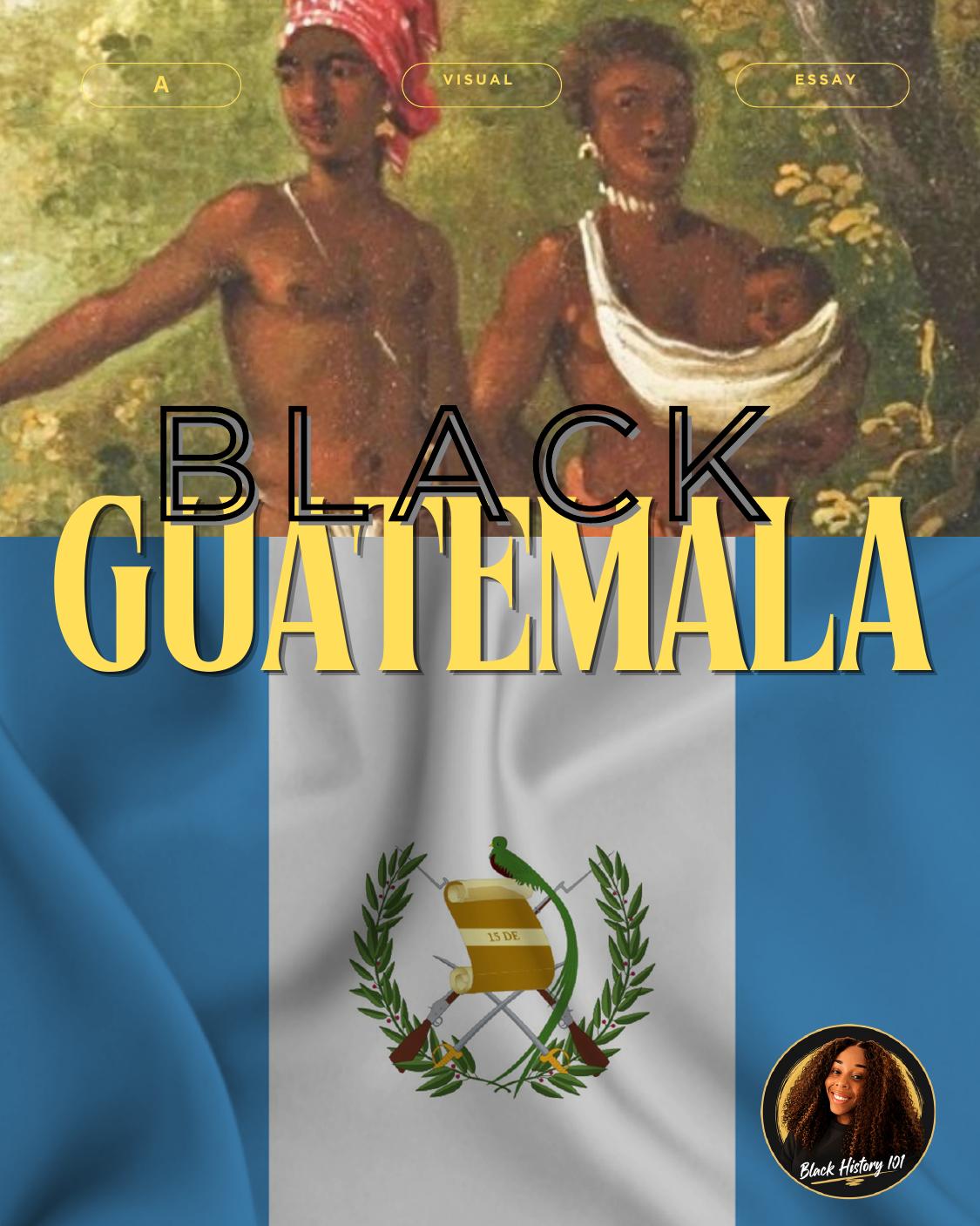
Cover of Black Guatemala, a Black History 101 visual essay
Free downloadPDF

Black Guatemala

A Visual Essay

A visual essay on African presence in Guatemala: enslaved and free Black people documented in Santiago de Guatemala from the 1560s, the Garífuna exiled by the British in 1797 and the founding of Livingston, how mestizaje and shifting racial classifications pushed African ancestry to the margins, Garífuna conscription during the 1960–1996 civil war and their absence from the 1999 truth commission report, legal recognition in 1995, and the organizations keeping this history alive today. Includes a full source list.
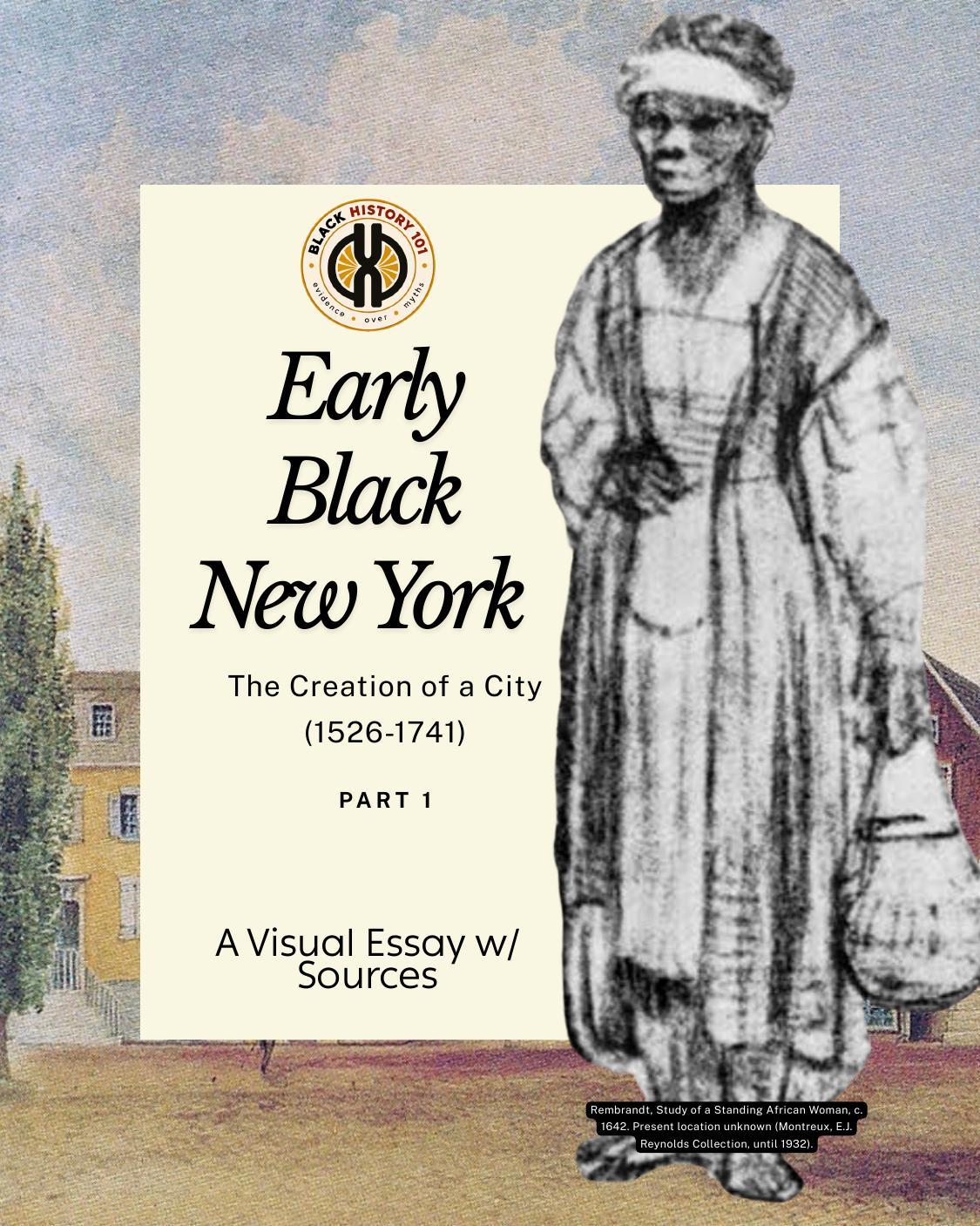
Cover of Early Black New York, a Black History 101 visual essay
Free downloadPDF

Early Black New York

The Creation of a City (1526–1741), Part 1

A visual essay on Black life in New York before it was New York: Juan Rodriguez trading on Munsee land in 1613, the “First Eleven” Africans seized as plunder by the Dutch West India Company in 1626 and their partial freedom in 1644, the African-owned farms of New Amsterdam and the landowning rights the British stripped after 1664, the 1712 revolt on Maiden Lane, and the 1741 conspiracy trials. Includes a full source list.
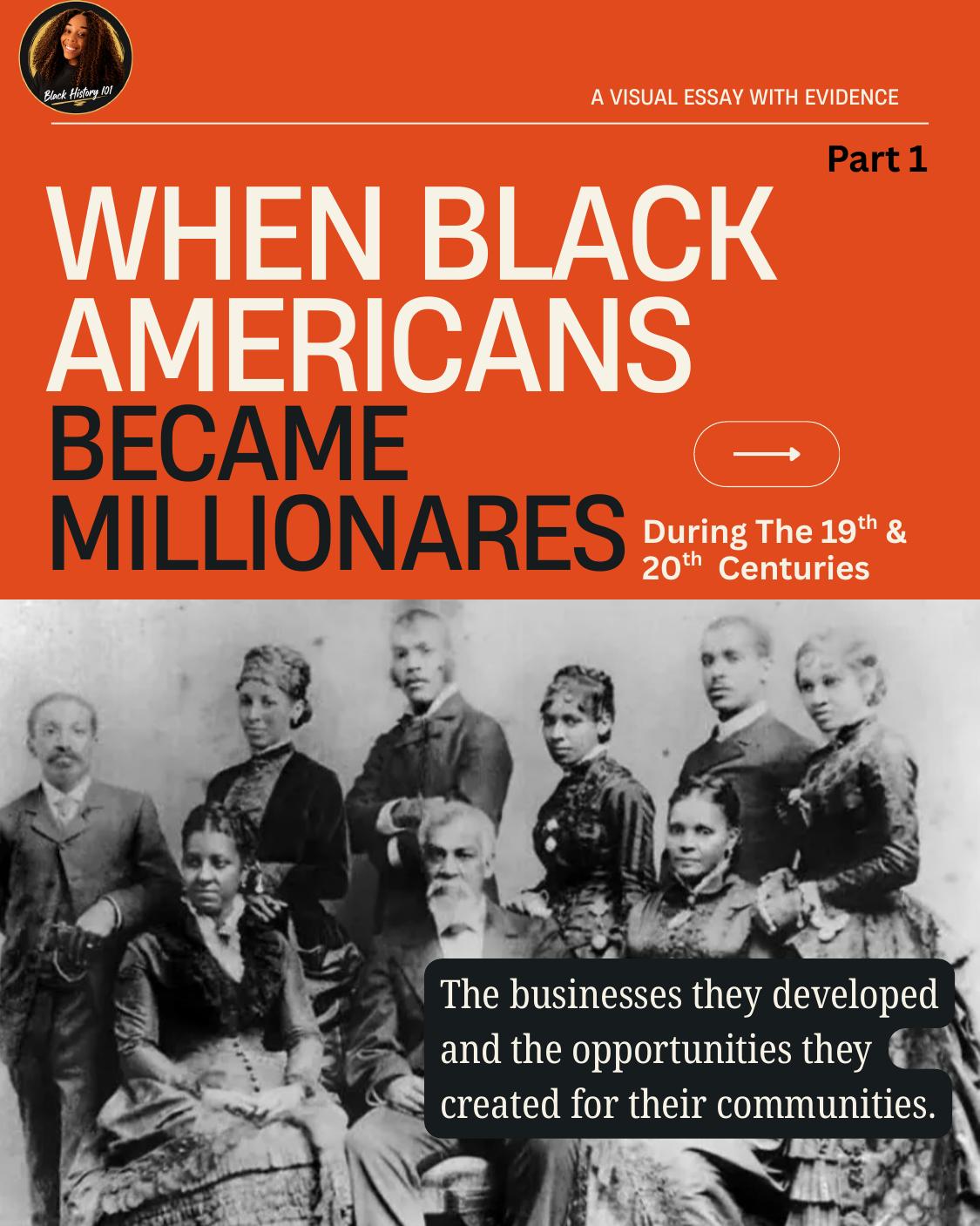
Cover of When Black Americans Became Millionaires, a Black History 101 visual essay
Free downloadPDF

When Black Americans Became Millionaires

Part 1 — During the 19th & 20th Centuries

A visual essay with evidence on the businesses Black entrepreneurs built while discrimination limited their options, and the opportunities they created for their communities: Wall Street broker Jeremiah G. Hamilton, Robert Reed Church Sr. in Memphis, Annie Turnbo Malone and Poro College in St. Louis, and Madam C. J. Walker. Includes a full source list.
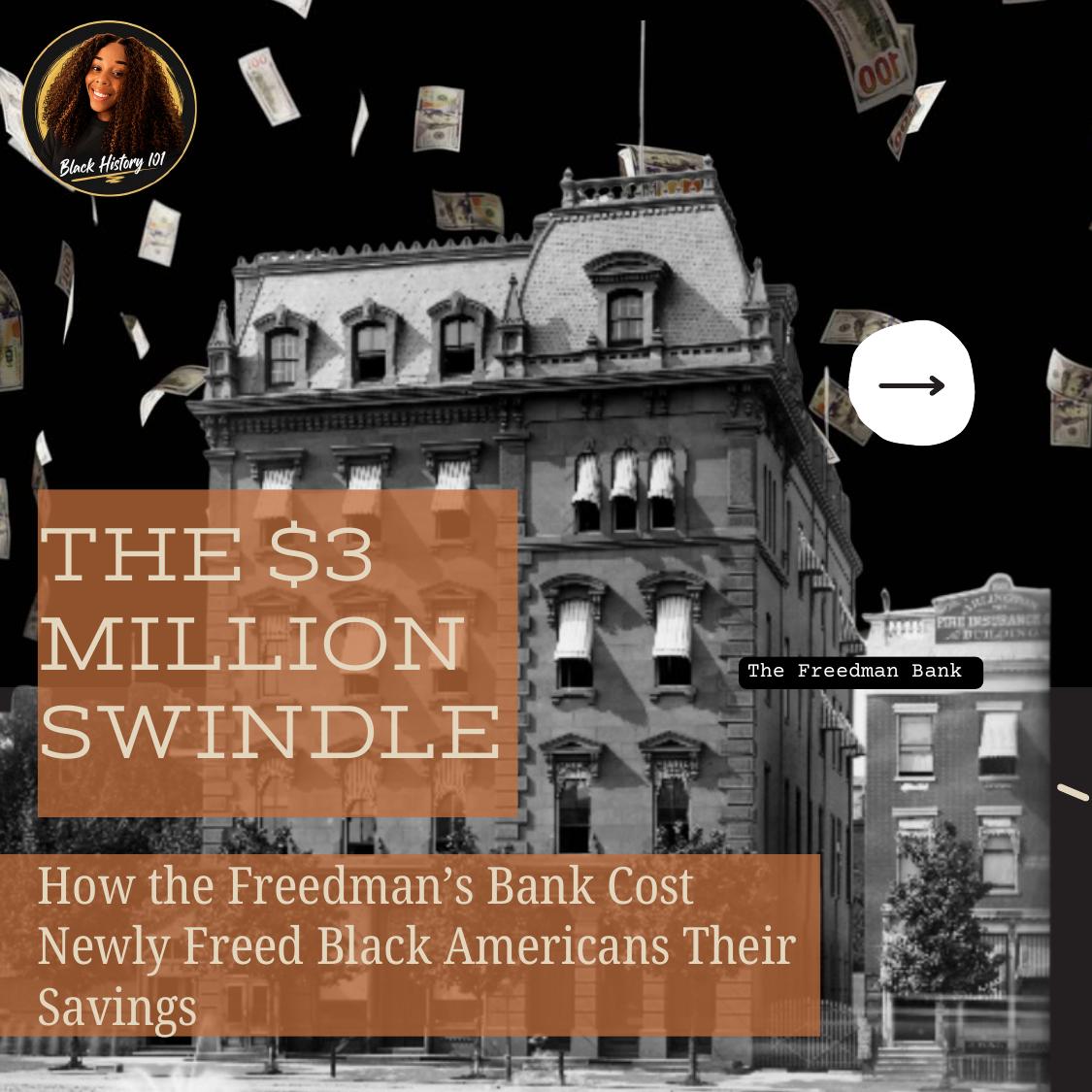
Cover of The Freedman Bank, a Black History 101 visual essay
Free downloadPDF

The Freedman Bank

How the Freedman’s Bank Cost Newly Freed Black Americans Their Savings

A visual essay on the Freedman’s Savings and Trust Company, incorporated by Congress in 1865: the more than 70,000 depositors and $57 million in cumulative deposits, the 1870 charter amendment that loosened investment restrictions, the bad loans and fraud that followed, Frederick Douglass’s brief presidency and his 1880 Senate testimony, and what depositors lost when the bank failed. Includes a full source list.
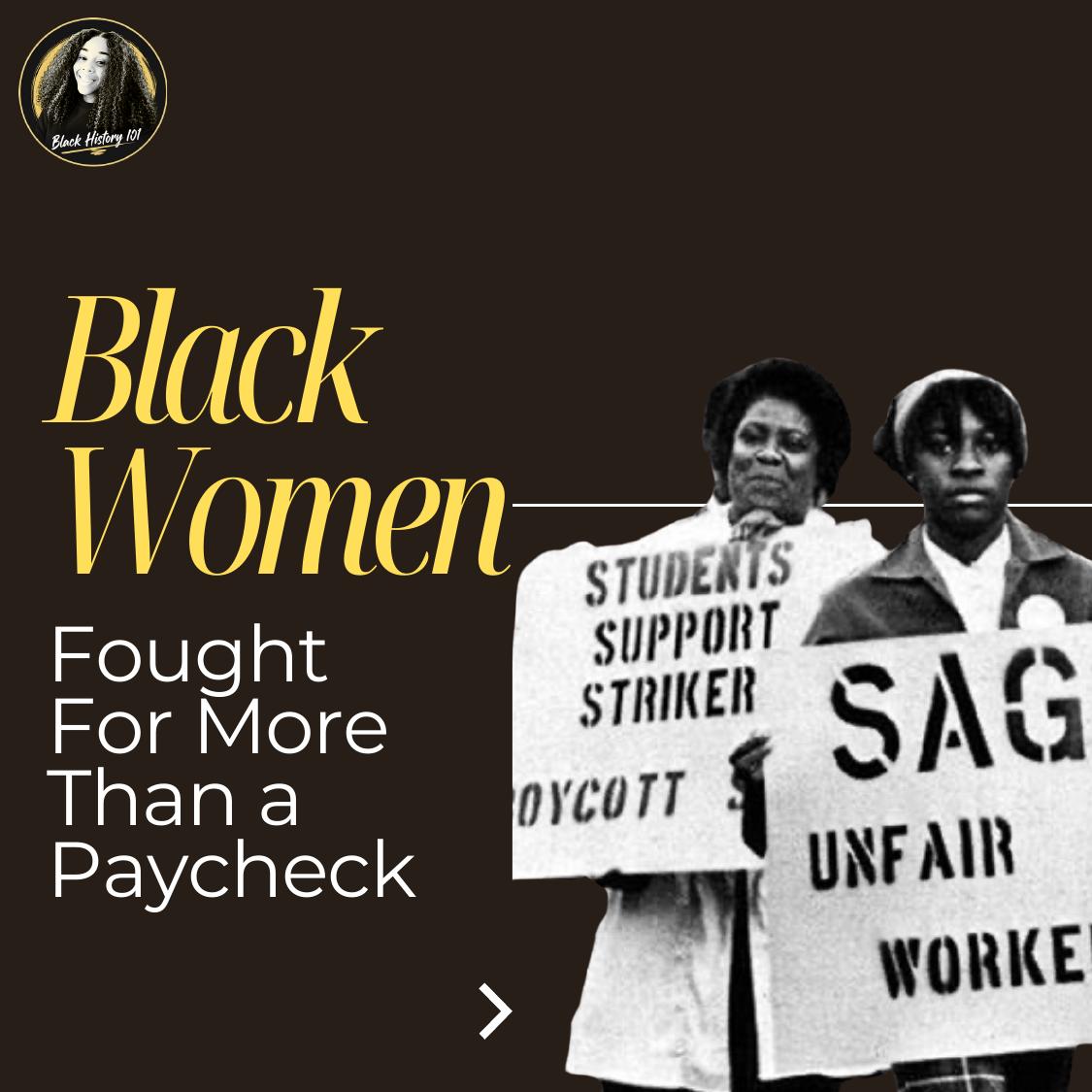
Cover of Black Women Fought For More Than a Paycheck, a Black History 101 visual essay
Free downloadPDF

Black Women Fought For More Than a Paycheck

A Visual Essay

A visual essay on Black women’s labor organizing: the 1881 Atlanta washerwomen’s strike that grew from 20 women to 3,000, Charlotte Adelmond and Dollie Lowther Robinson organizing New York City laundry workers into the Laundry Workers Joint Board in 1937, Dorothy Bolden’s National Domestic Workers Union founded in Atlanta in 1968, and Hattie Canty leading the six-year Frontier Hotel strike in Las Vegas. Includes a full source list.
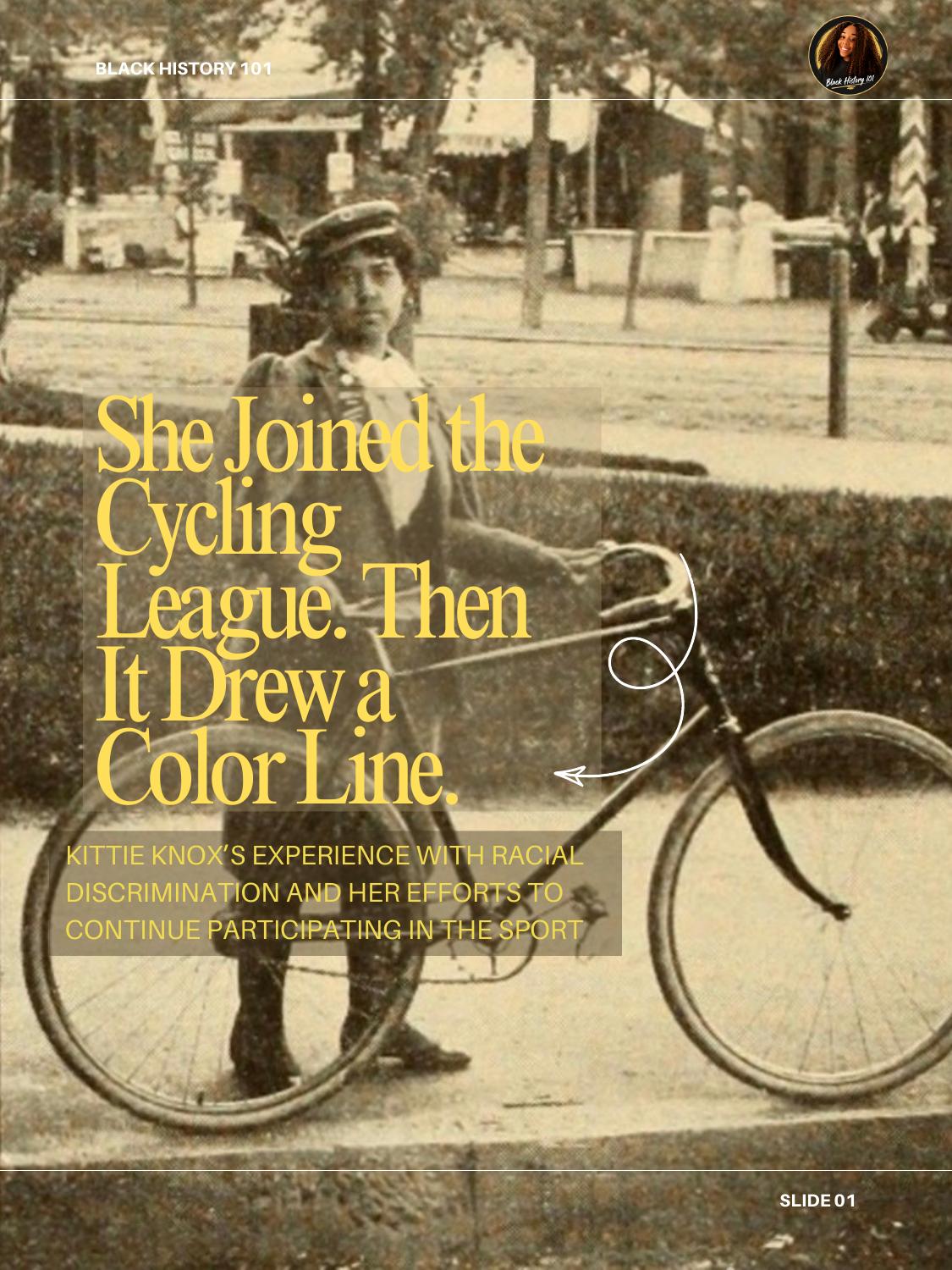
Cover of the Kittie Knox visual essay from Black History 101
Free downloadPDF

She Joined the Cycling League. Then It Drew a Color Line.

Kittie Knox’s experience with racial discrimination and her efforts to continue participating in the sport

A visual essay on Kittie Knox, born in Cambridgeport, Massachusetts, in 1874: how seamstress wages bought her bicycle, the 100-mile rides that established her as a cyclist, her 1893 membership in the League of American Wheelmen, the league’s February 1894 whites-only membership rule, her riding trousers and 1895 Waltham costume prize, and the 1895 Asbury Park meeting where her credentials were challenged. Includes a full source list.
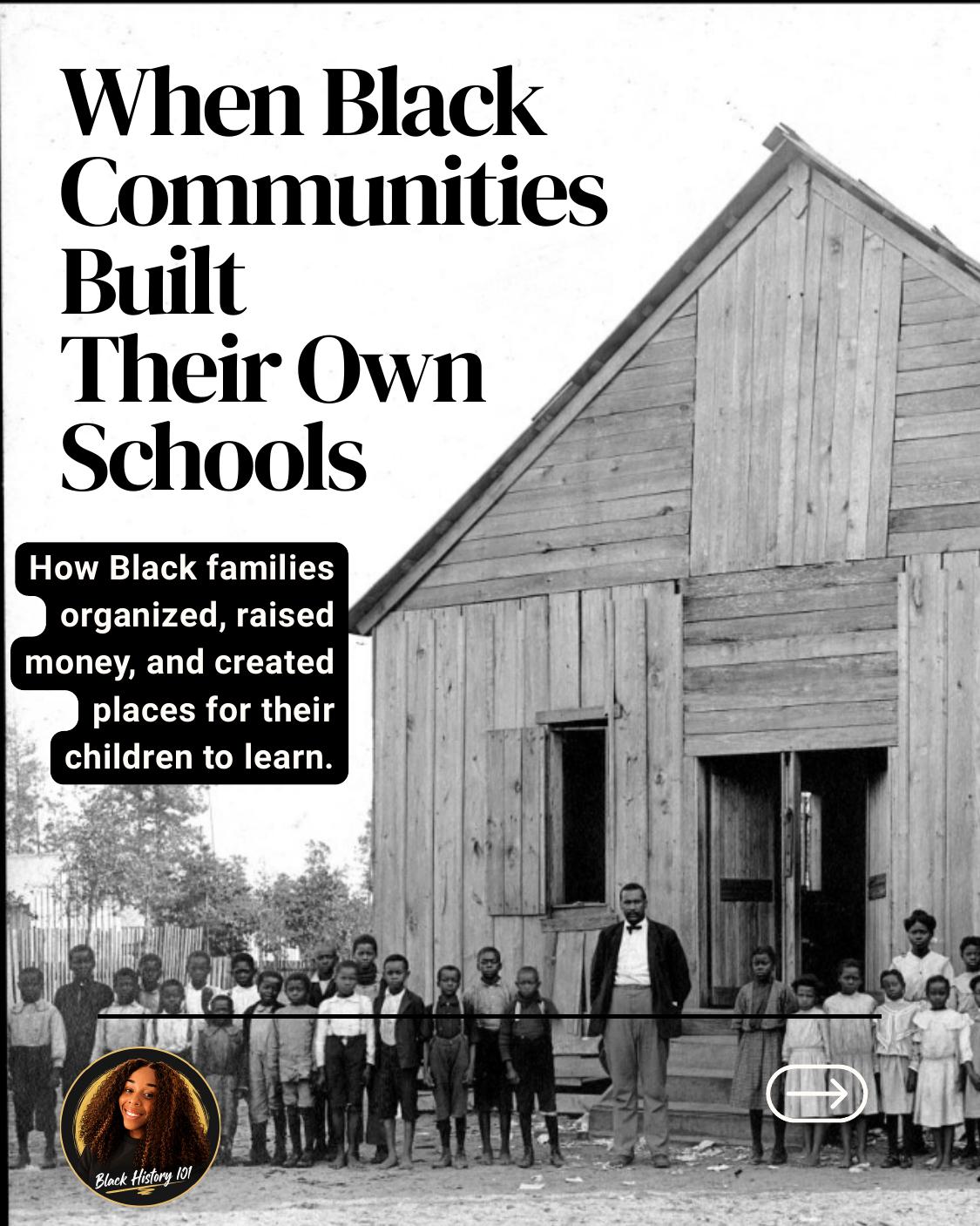
Cover of When Black Communities Built Their Own Schools, a Black History 101 visual essay
Free downloadPDF

When Black Communities Built Their Own Schools

How Black families organized, raised money, and created places for their children to learn

A visual essay on Black communities funding and building their own schools: the 32 Rochester residents who petitioned in 1834, the Lockport subscription drive of 1835, Martha Culling’s Roanoke Island school and the six schools serving more than 1,200 students by 1863, Tolson’s Chapel in Sharpsburg, and the roughly 5,000 Rosenwald schoolhouses built across 15 states by the early 1930s. Includes a full source list.
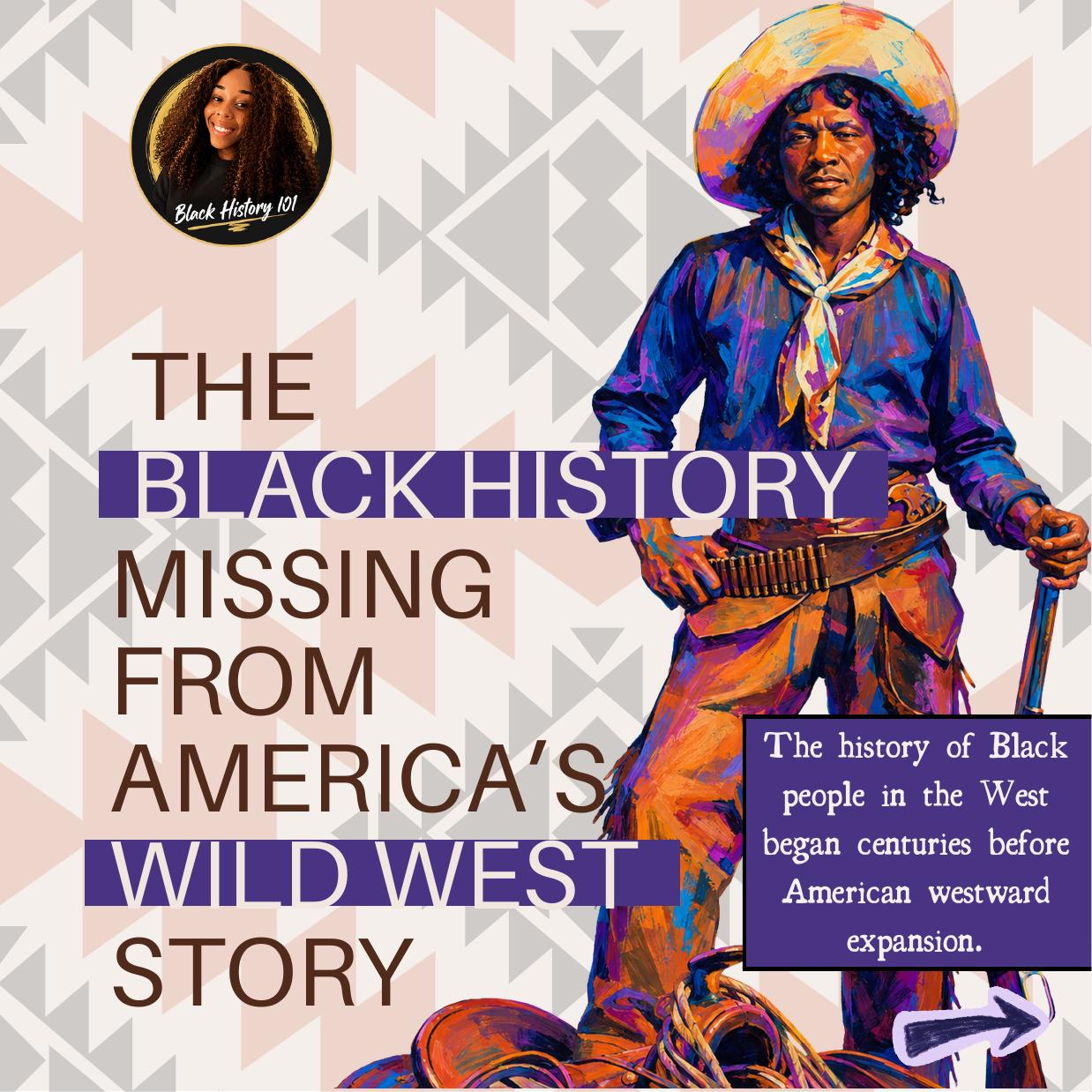
Cover of The Black History Missing From America’s Wild West Story, a Black History 101 visual essay
Free downloadPDF

The Black History Missing From America’s Wild West Story

The history of Black people in the West began centuries before American westward expansion

A visual essay on Black presence in the West long before westward expansion: Esteban, an enslaved African who arrived near present-day Texas in 1528; people of African descent who moved north from Mexico as laborers, landholders, and settlers; Black people living in Indian Territory among the Cherokee, Choctaw, Chickasaw, Creek, and Seminole Nations; the Exoduster migration after Reconstruction collapsed; and Edward P. McCabe’s Oklahoma campaign and the limits statehood and Jim Crow placed on it. Includes a full source list.
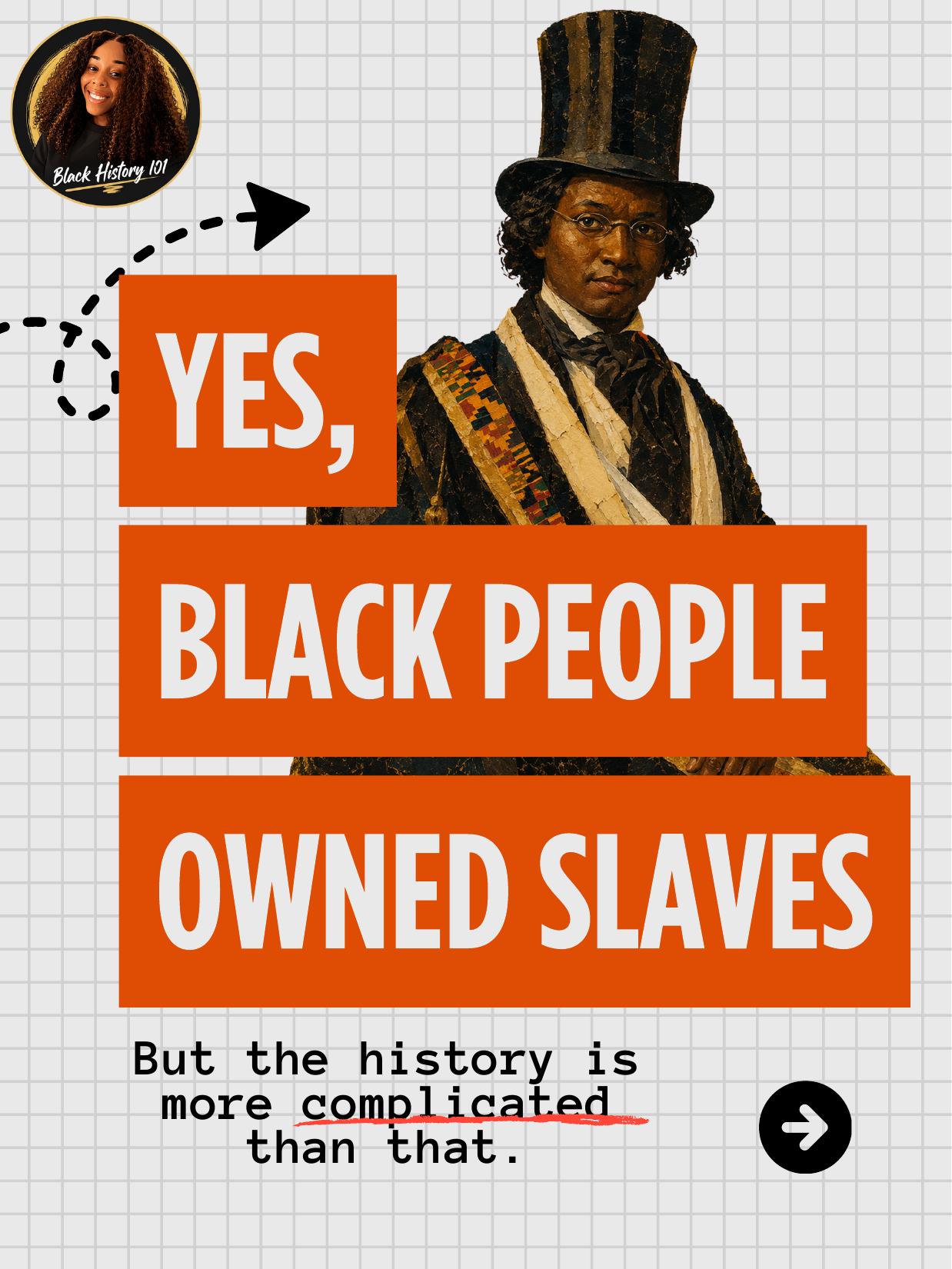
Cover of Yes, Black People Owned Slaves, a Black History 101 visual essay
Free downloadPDF

Yes, Black People Owned Slaves

But the history is more complicated than that

A visual essay on what the evidence actually shows about Black slaveholding: benevolent ownership that kept families together, such as Lewis Turner and his wife Aggai in Virginia, alongside exploitative ownership for profit, such as William Ellison in South Carolina. Covers the disagreement among Carter G. Woodson, Larry Koger, Philip J. Schwarz, and Lightner and Ragan, and the numbers behind the debate from the 1830 Census. Includes a full source list.
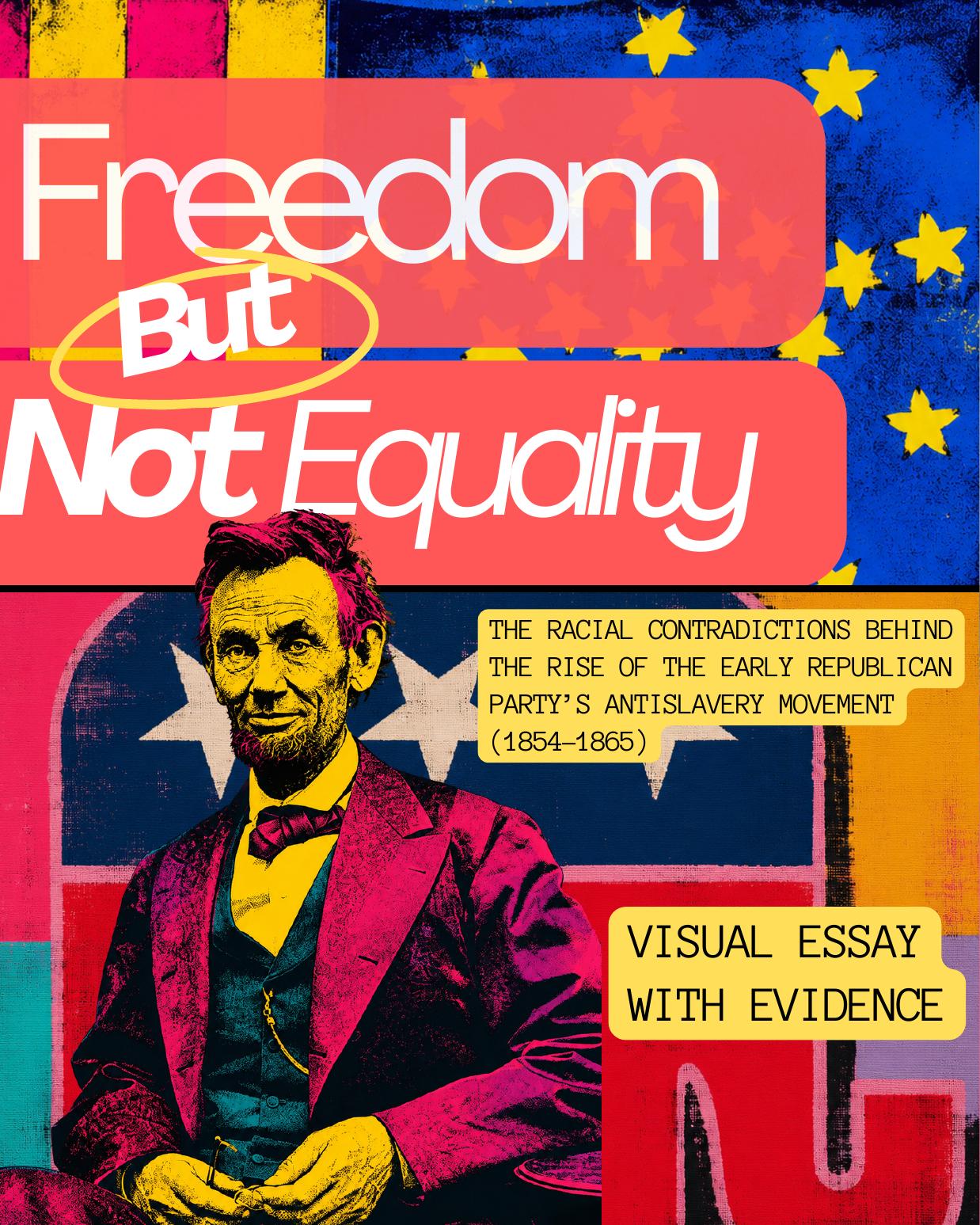
Cover of Freedom But Not Equality, a Black History 101 visual essay
Free downloadPDF

Freedom But Not Equality

The racial contradictions behind the rise of the early Republican Party’s antislavery movement (1854–1865)

A visual essay with evidence on why opposing slavery did not mean supporting Black equality: John M. Rozett’s work on the 1848 Illinois vote, where more than 70 percent backed excluding free Black people from the state; John W. Quist’s study of abolitionist Theodore Foster, whose racial politics shifted even as he kept opposing slavery; and the contradictions the Republican Party inherited when it emerged in 1854. Includes a full source list.
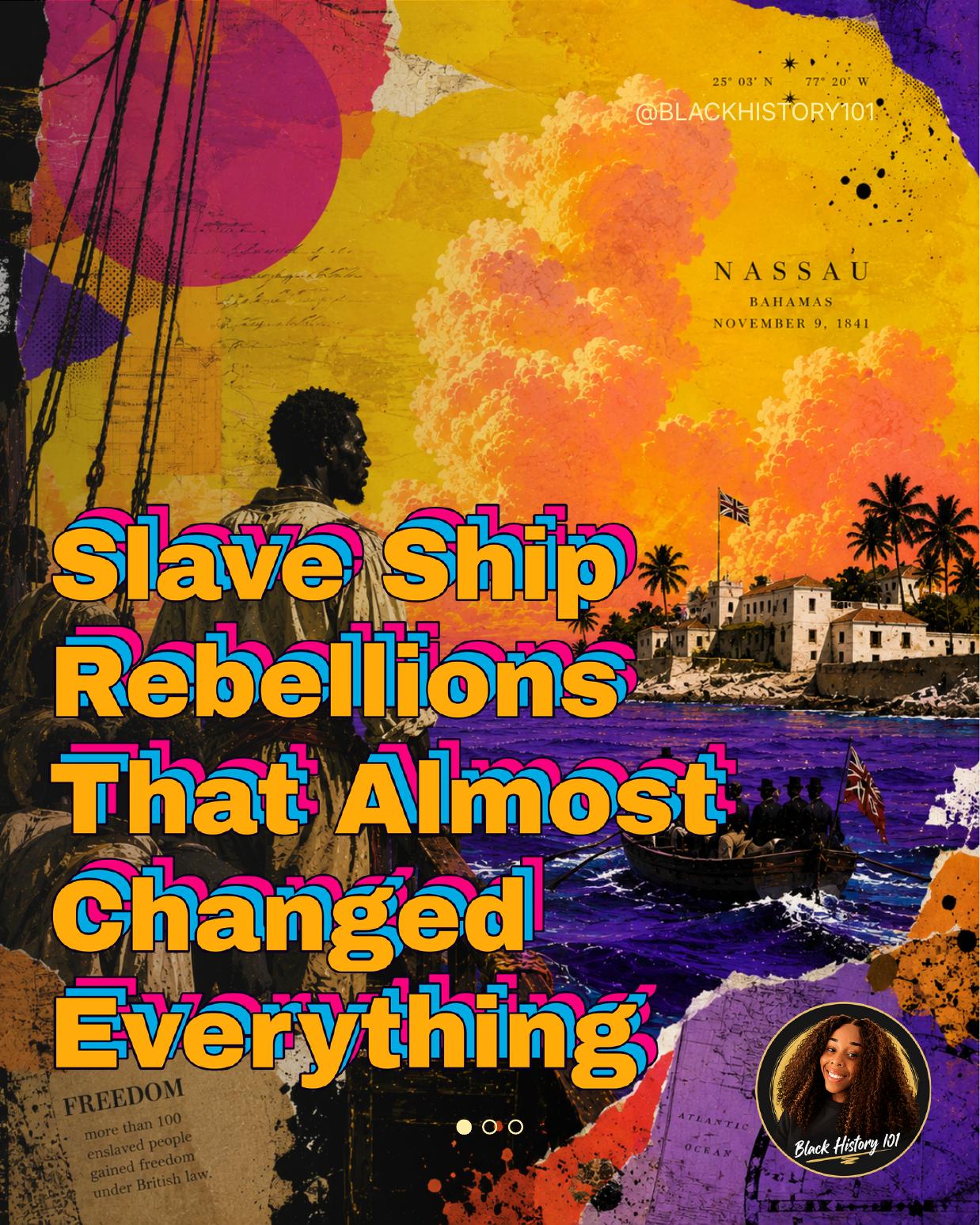
Cover of Slave Ship Rebellions That Almost Changed Everything, a Black History 101 visual essay
Free downloadPDF

Slave Ship Rebellions That Almost Changed Everything

A visual essay on revolts aboard slave ships: the 1839 Amistad uprising led by Sengbe Pieh, whose case reached the Supreme Court in 1841; the 1841 Creole revolt led by Madison Washington, which freed more than 100 people under British law in Nassau; the 1766 Meermin revolt by enslaved Malagasy people; and the 1729 rebellion aboard the British ship Clare off the coast of West Africa.

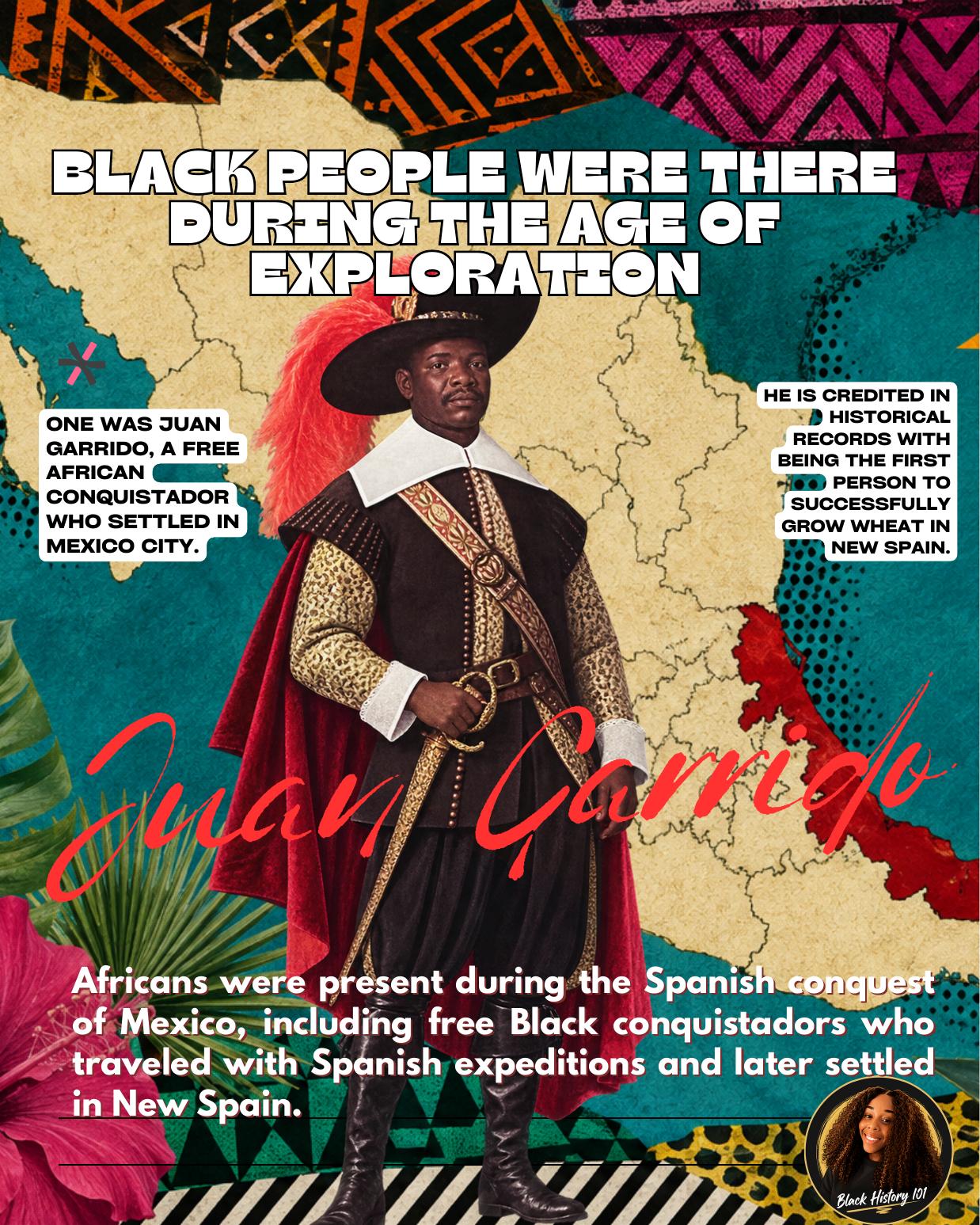
Cover of Black Mexico, a Black History 101 visual essay
Free downloadPDF

Black Mexico

The Black history you probably weren’t taught

A visual essay on African presence in Mexico: Juan Garrido, the free African conquistador who settled in Mexico City; the thousands of enslaved Africans brought through Veracruz, Campeche, and Acapulco to work in silver mines and sugar production; Gaspar Yanga’s Maroon community and the town that carries his name; and the Afro-Mexicans who helped win independence, including José María Morelos and Vicente Guerrero. Includes a full source list.

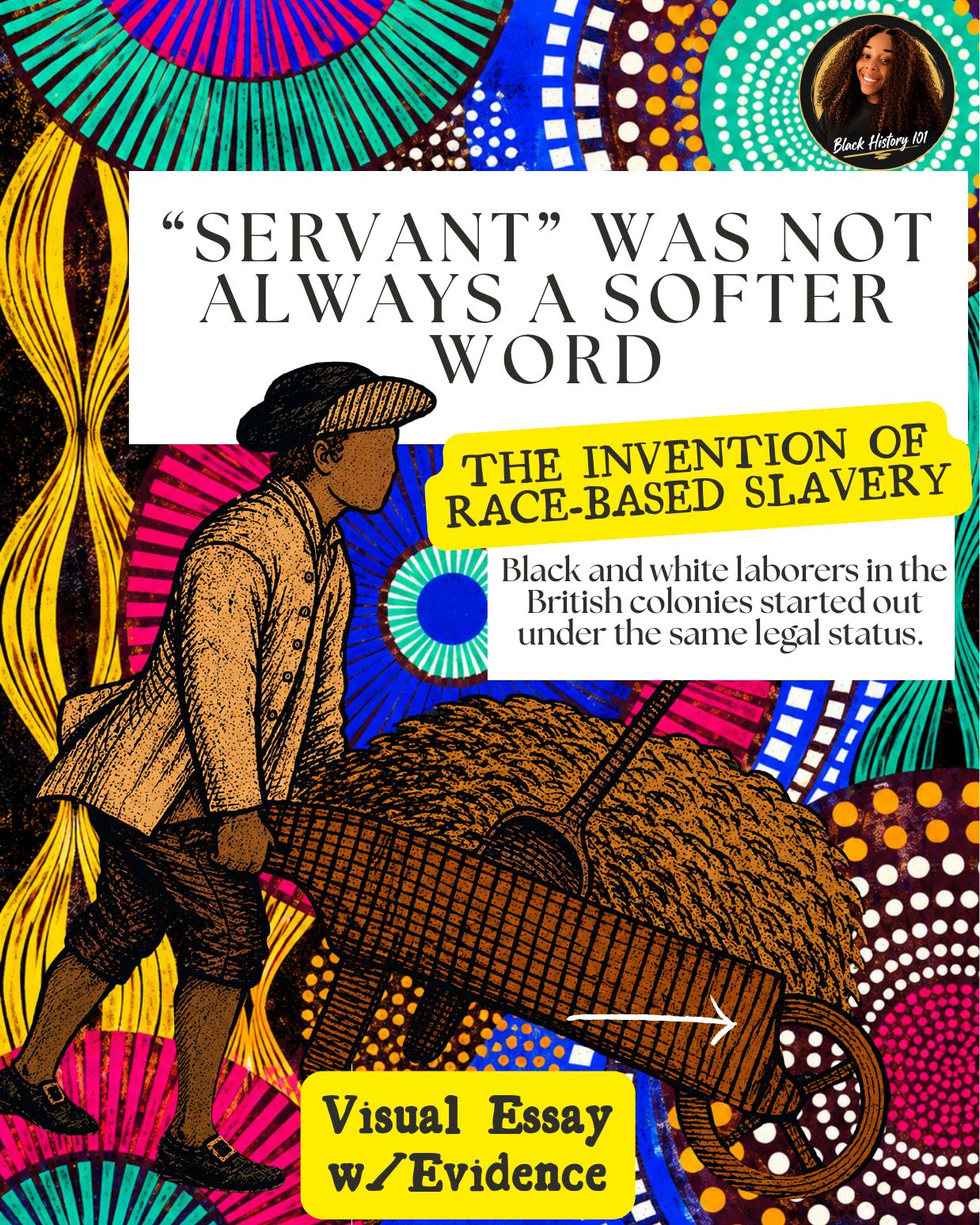
Cover of “Servant” Was Not Always a Softer Word, a Black History 101 visual essay
Free downloadPDF

“Servant” Was Not Always a Softer Word

The invention of race-based slavery

A visual essay with evidence tracing how Black and white laborers who began under the same legal status were pulled apart by law: Anthony Johnson, who arrived enslaved in 1621 and became a landowner; the 1640 sentencing of John Punch to serve for life; the limits colonial law placed on white servitude; the 1661 Barbados slave code other colonies copied; and Virginia’s 1662 and 1667 laws making slavery hereditary and permanent. Includes a full source list.

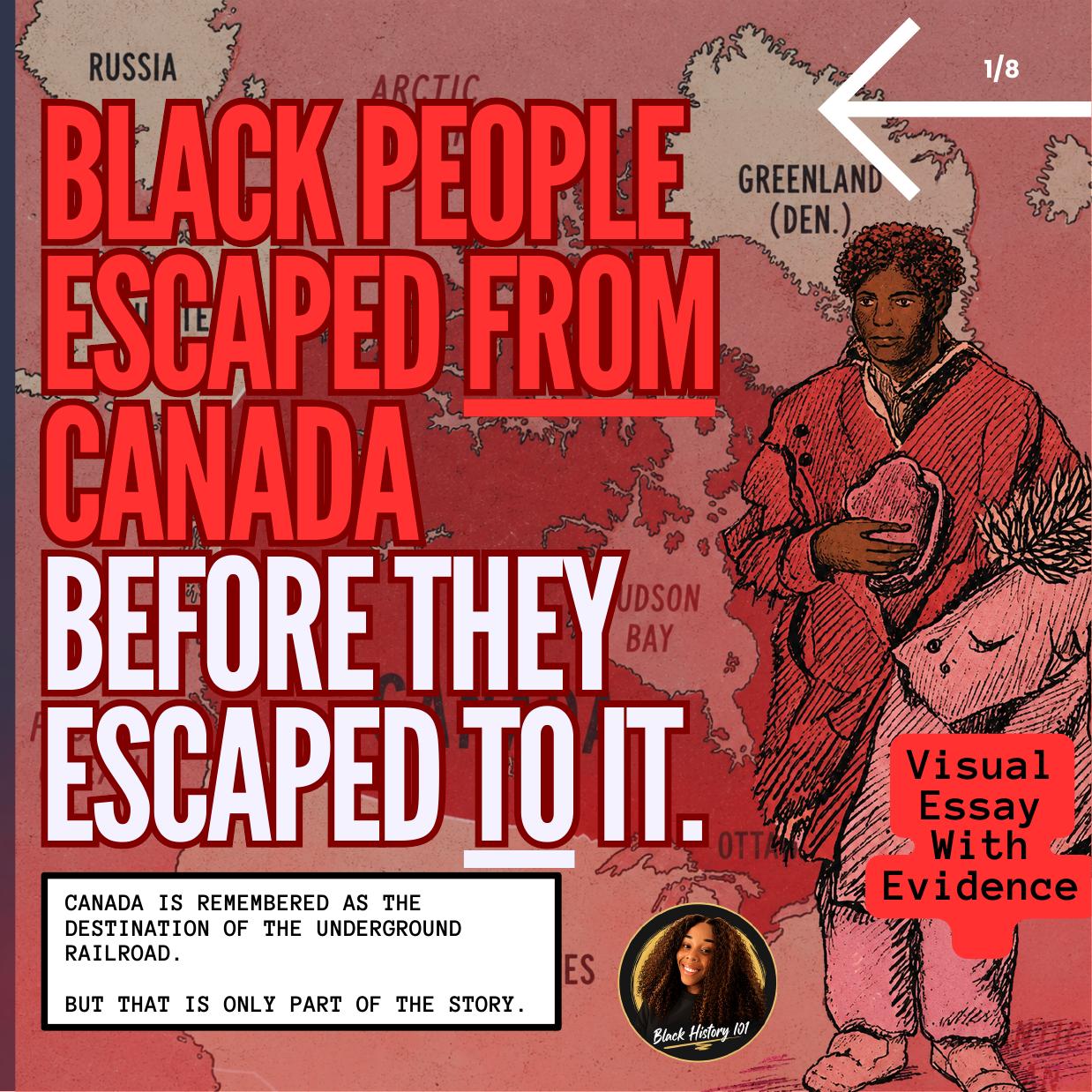
Cover of Black People Escaped From Canada Before They Escaped To It, a Black History 101 visual essay
Free downloadPDF

Black People Escaped From Canada Before They Escaped To It

A visual essay on slavery in the colonies that became Canada: more than 4,000 people of African descent enslaved from about 1629 to 1834, the 1689 authorization to import enslaved Africans into New France, the 1709 law recognizing enslaved people as property, Chloe Cooley and the 1793 Upper Canada import ban, 1807 British records of people escaping south into the United States, and the 1829 and 1834 changes that made British North America a refuge. Includes a full source list.

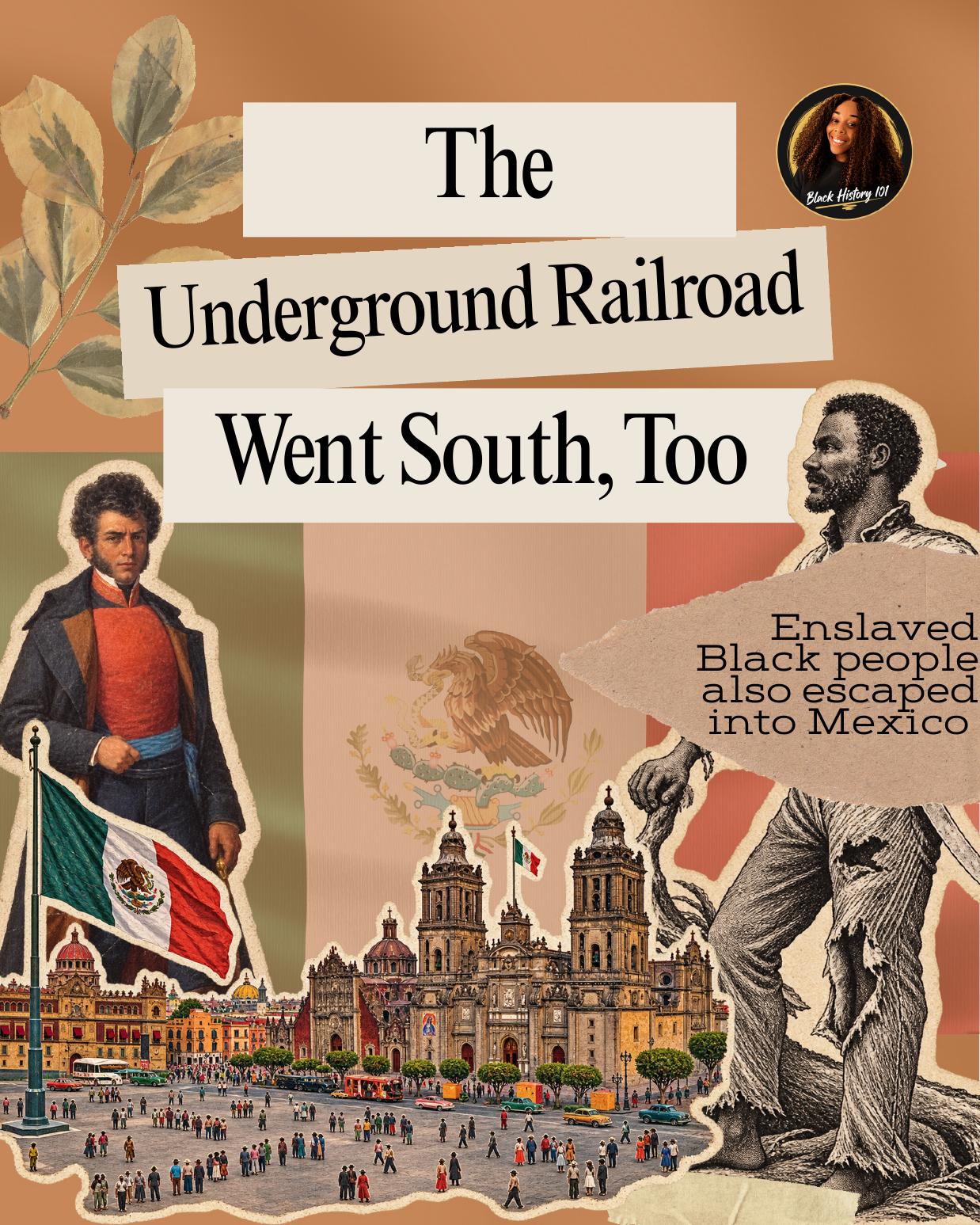
Cover of The Underground Railroad Went South, Too, a Black History 101 visual essay
Free downloadPDF

The Underground Railroad Went South, Too

Enslaved Black people also escaped into Mexico

A visual essay on escapes across the Rio Grande: Vicente Guerrero’s 1829 abolition of slavery in Mexico, families who reached General José de Urrea’s forces during the Texas Revolution in 1836, crossings near Matamoros and Piedras Negras, the Mexicans, Tejanos, German settlers, and Black Seminole communities who helped, and Mexico’s refusal to return freedom seekers under its 1857 Constitution. Includes a full source list.

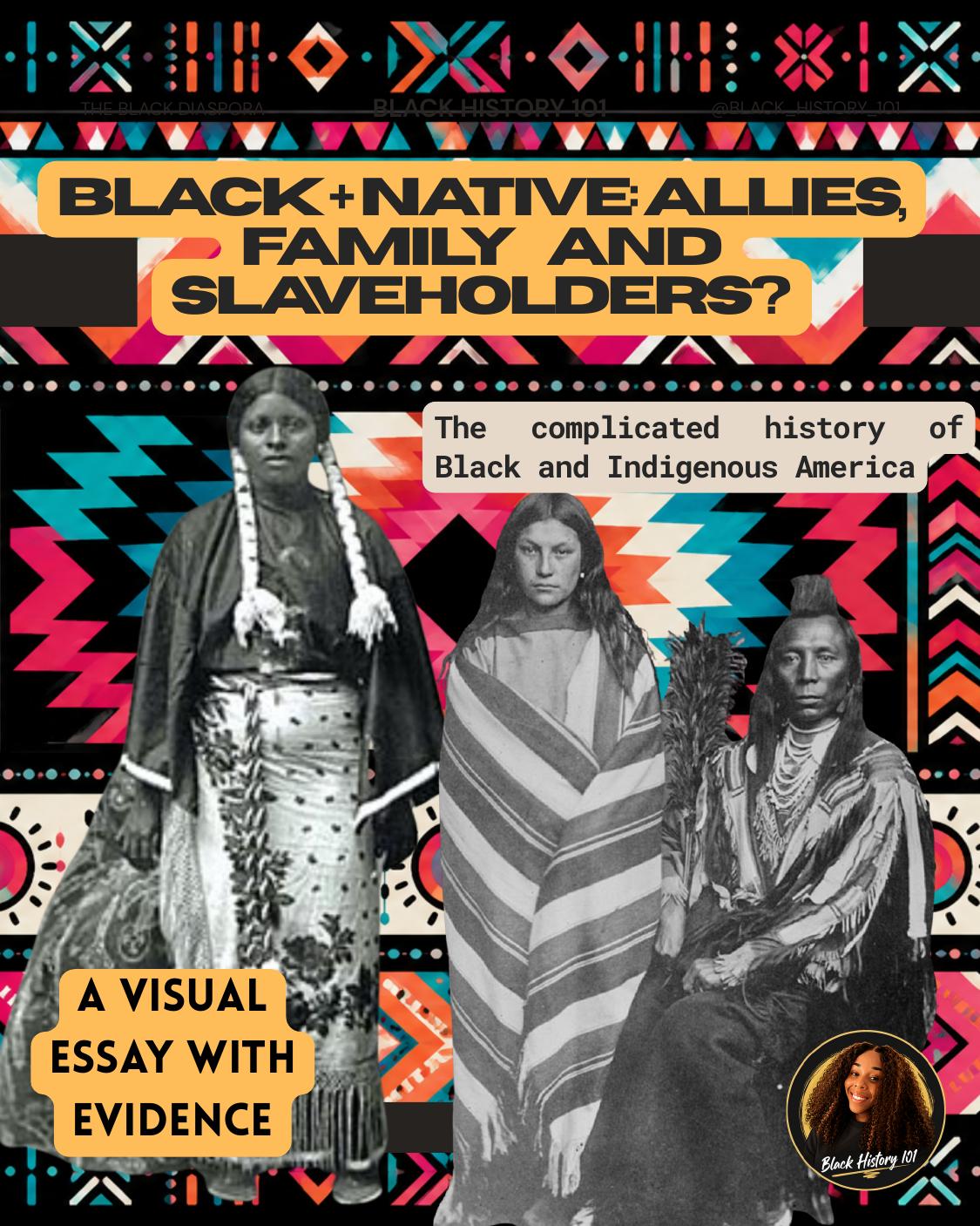
Cover of Black + Native: Allies, Family…and Slaveholders?, a Black History 101 visual essay
Free downloadPDF

Black + Native: Allies, Family…and Slaveholders?

The complicated history of Black and Indigenous America

A visual essay with evidence on relationships between African-descended and Indigenous people that included family and intermarriage, refuge and alliance, trade and resistance, as well as conflict, enslavement, and slave catching. Covers the people described as “Black Indians,” the Black Seminole experience, and the colonial powers that paid Native allies to capture freedom seekers, without flattening any of it into a single story. Includes a full source list.

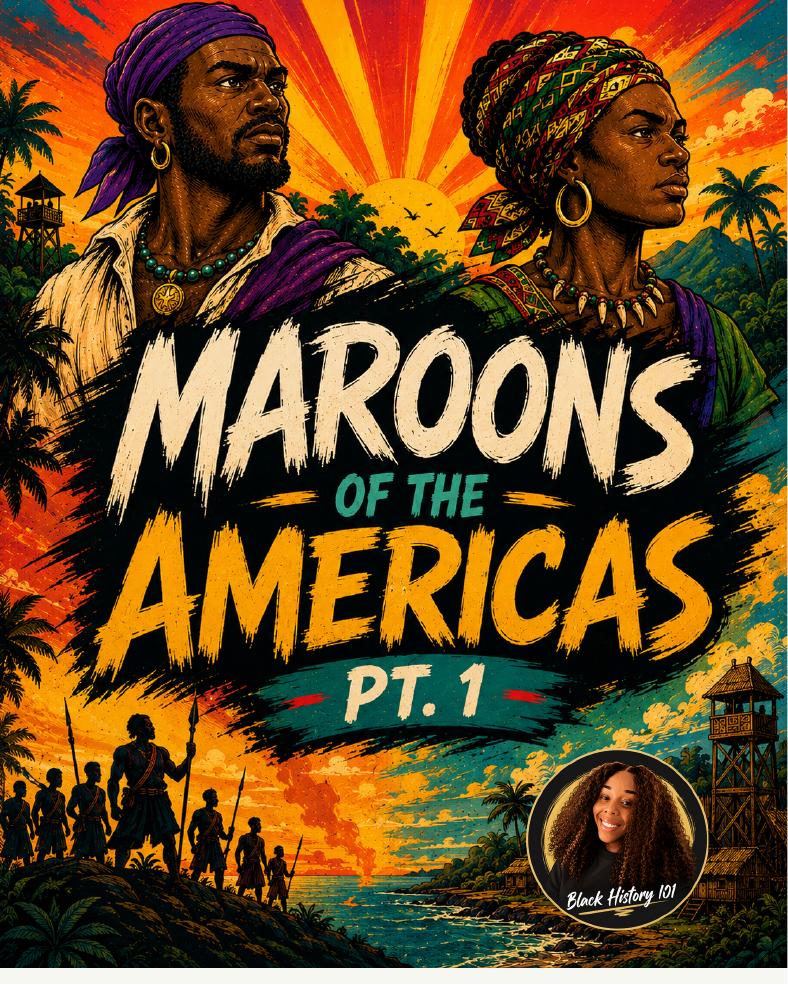
Cover of Maroons of the Americas Pt. 1, a Black History 101 visual essay
Free downloadPDF

Maroons of the Americas Pt. 1

An illustrated set of profiles of maroon leaders who built and defended free communities: Bayano in the mountains of Panama in the 1500s, Yanga in Veracruz and the settlement of San Lorenzo de los Negros, Queen Nanny of the Windward Maroons and the 1739 treaty in Jamaica, Mackandal in Saint-Domingue, Zumbi of Palmares in Brazil, and Illescas in Esmeraldas, Ecuador.

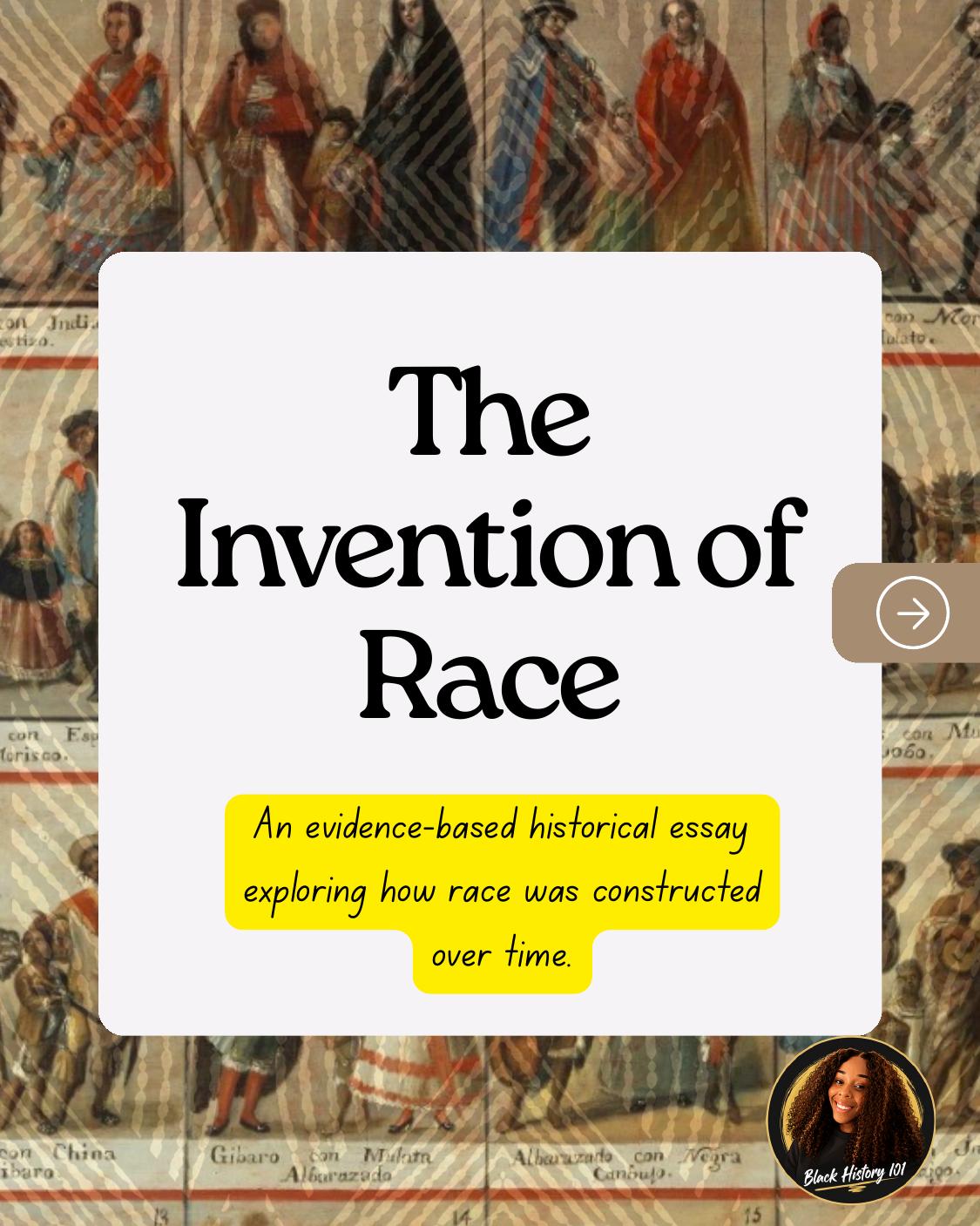
Cover of The Invention of Race, a Black History 101 visual essay
Free downloadPDF

The Invention of Race

If race is not biological, where did it come from?

An evidence-based essay on how race was constructed over time: Audrey Smedley’s account of the “racial worldview” that ranked human difference rather than simply describing it, Geraldine Heng’s argument that race-making began in the European Middle Ages, Cord J. Whitaker’s challenge to the erasure of Black presence from premodern Europe, and the way colonial expansion turned appearance and ancestry into a system for justifying inequality. Includes a full source list.

Join The 101

Black history
doesn’t stop
at the post.

Join a growing community of educators, parents, learners, and history-curious people who want to go beyond the myths and follow the evidence.

Get new visual essays, deeper dives, reading recommendations, educational resources, and updates from Black History 101—directly from us, beyond the algorithm.

One email. Once a month.

  • 01A story worth knowing
  • 02The context behind it
  • 03What to read or watch next
  • 04New Black History 101 resources

Free to join. Receive the monthly Black History 101 letter plus occasional updates about new resources, courses, and programs. Unsubscribe anytime.