The archive

Essays

Every essay starts with a question, claim, or myth—and follows the historical evidence. Explore Black history through research, context, and stories that resist easy answers. Browse by topic below.

Africa & the Diaspora

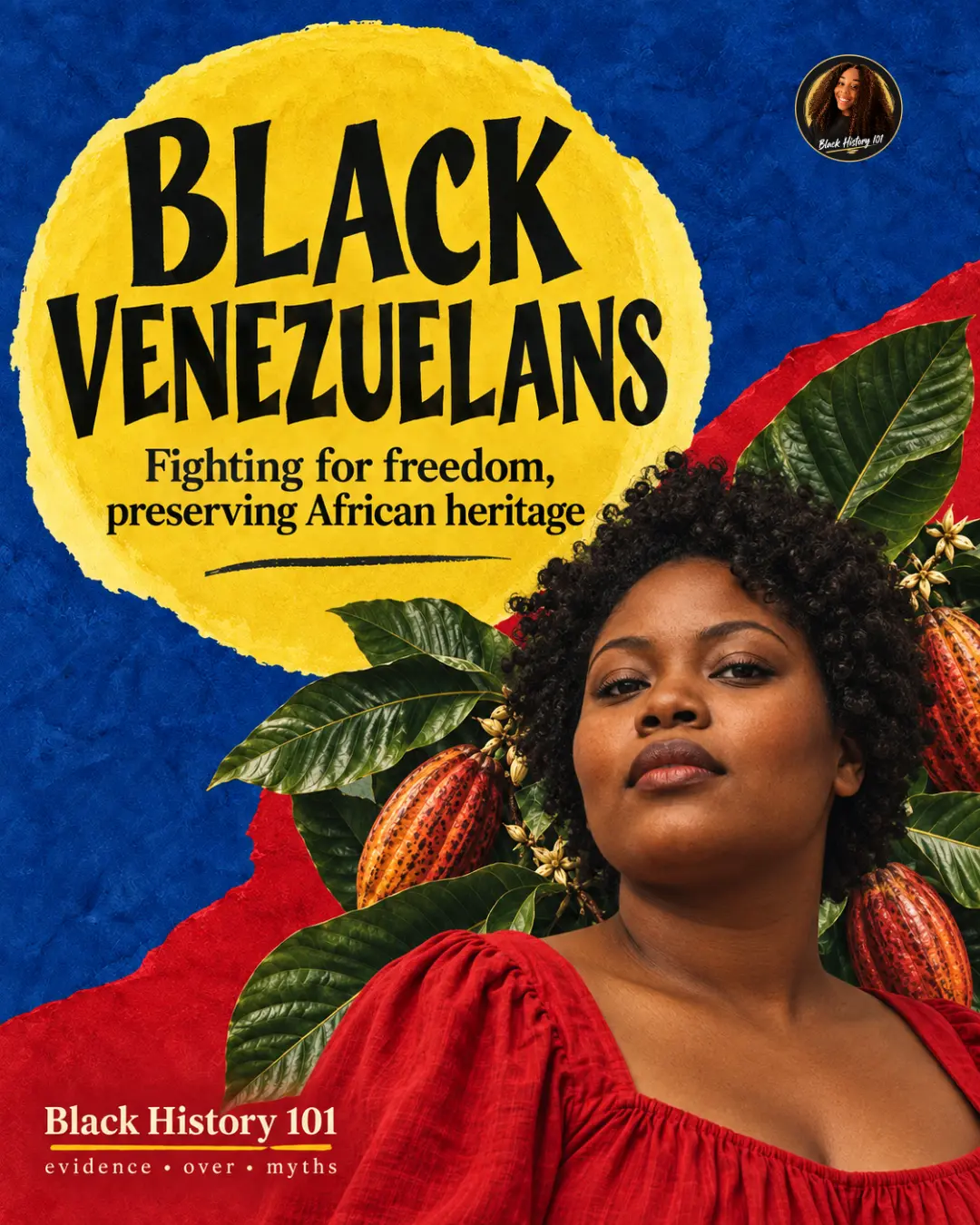
Black Venezuelans

Fighting for freedom, preserving African heritage

From the early 1500s, enslaved Africans in Venezuela worked in mining and agriculture, escaped to build their own communities, rose up at Coro in 1795, and sustained African traditions that their descendants continue to defend.
Black Figures

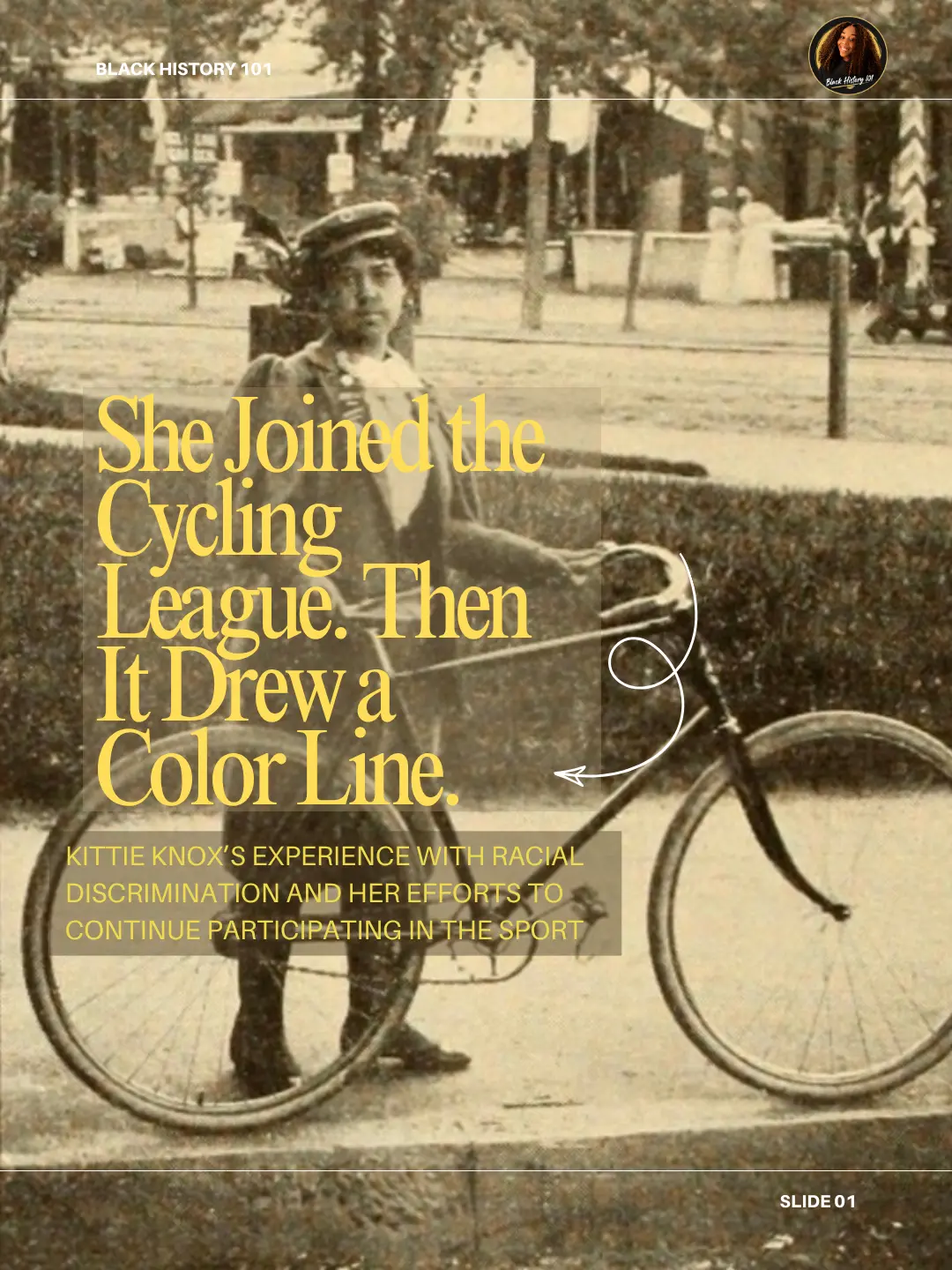
She Joined the Cycling League. Then It Drew a Color Line.

Kittie Knox's experience with racial discrimination and her efforts to continue participating in the sport.

Kittie Knox joined the League of American Wheelmen in 1893. When the league restricted new membership to white people the next year, her eligibility was questioned, and she kept presenting her credentials and riding.

Black Figures

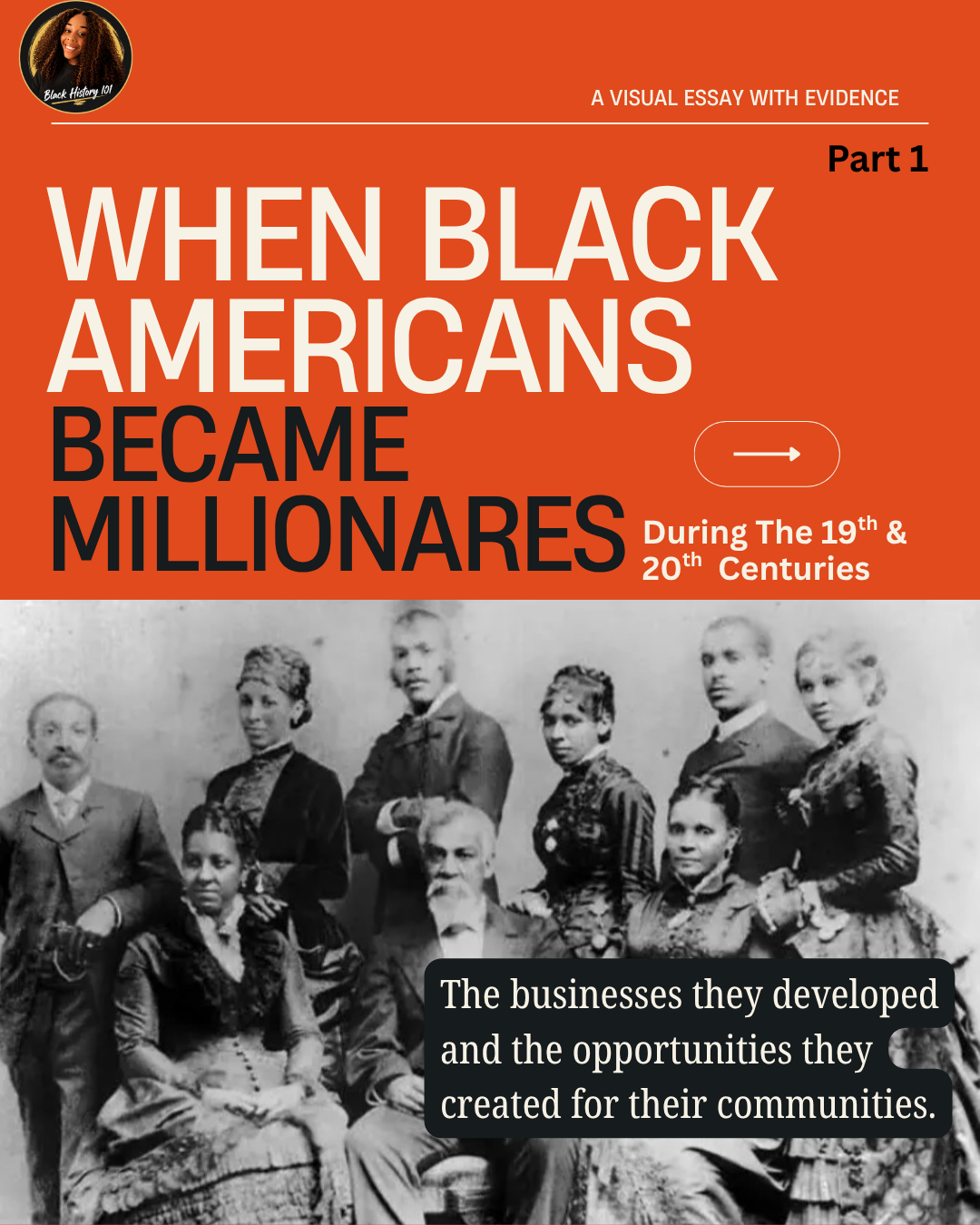
When Black Americans Became Millionaires

During the 19th and 20th centuries: the businesses they developed and the opportunities they created for their communities.

Jeremiah G. Hamilton, Robert Reed Church Sr., Annie Turnbo Malone, and Madam C. J. Walker built fortunes in finance, real estate, and hair care despite discrimination, then used their resources to support education, employment, and community institutions.

Black America

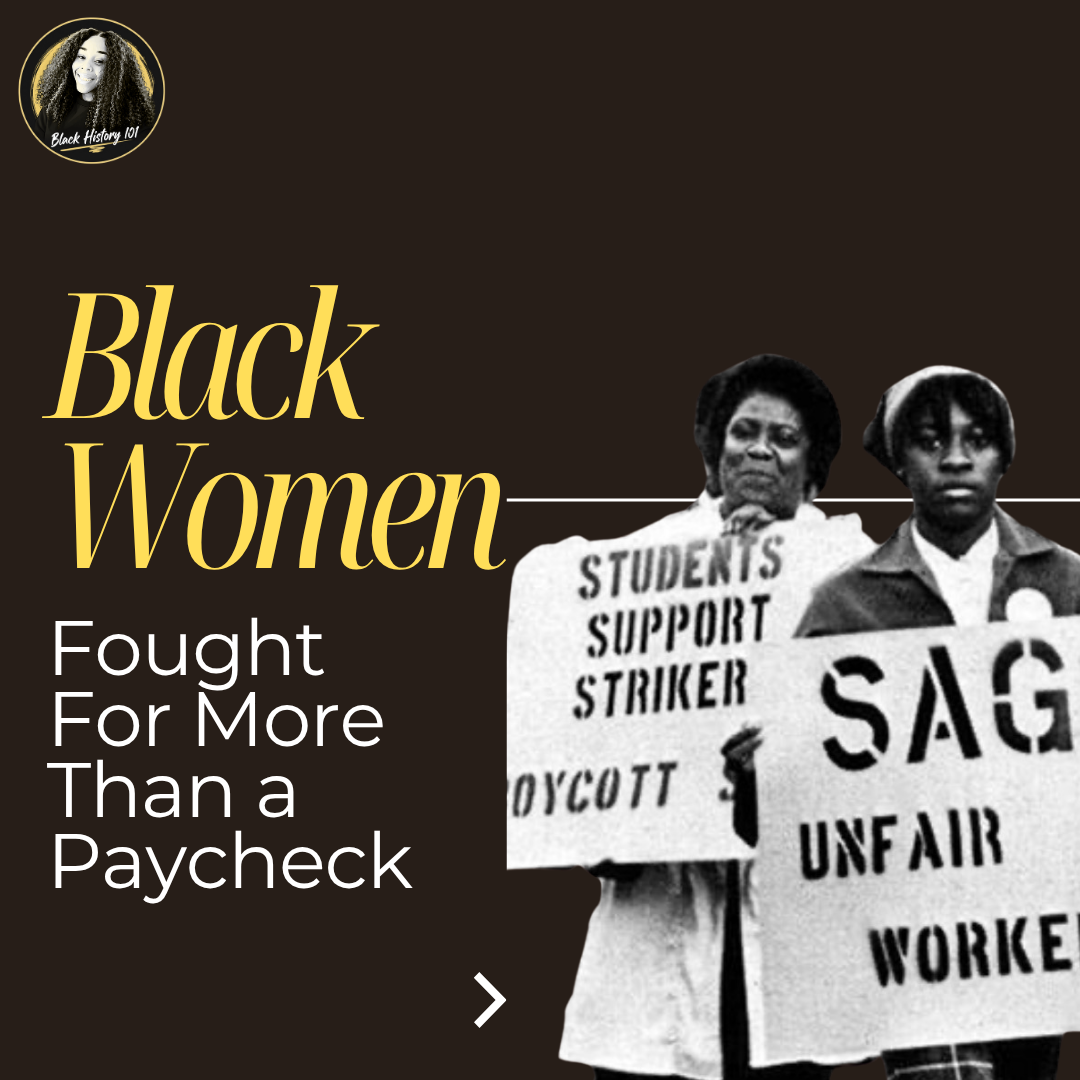
Black Women Fought For More Than a Paycheck

From Atlanta's 1881 washerwomen to a six-year strike in Las Vegas, Black women organized for higher wages, shorter hours, and greater control over their work — and often had to fight discrimination inside the unions they built.

Black America

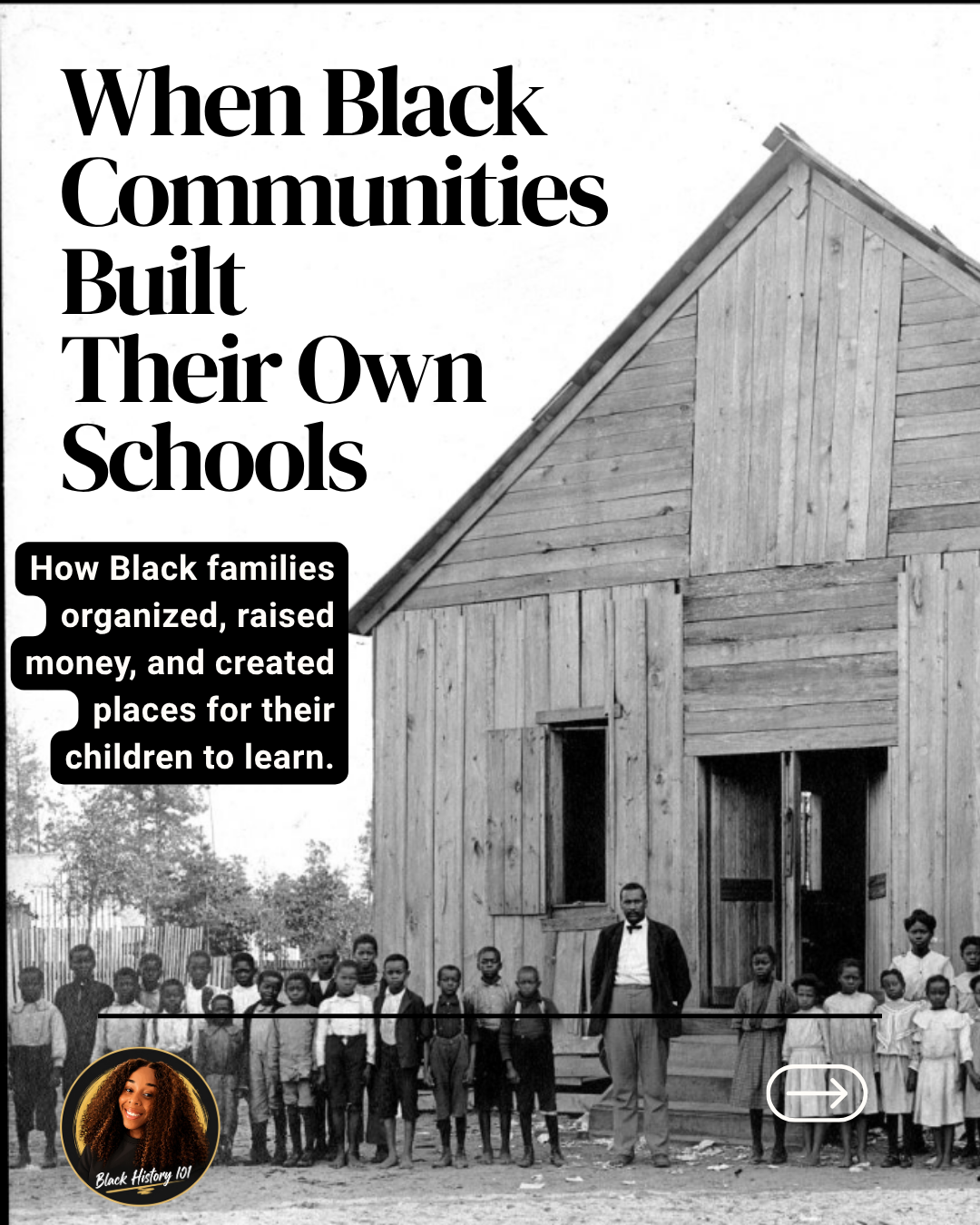
When Black Communities Built Their Own Schools

How Black families organized, raised money, and created places for their children to learn.

From an 1834 petition in Rochester to thousands of Rosenwald schoolhouses across the South, Black families pooled what little they had to build schools for their children — and the results narrowed the education gap for a generation.

Black America

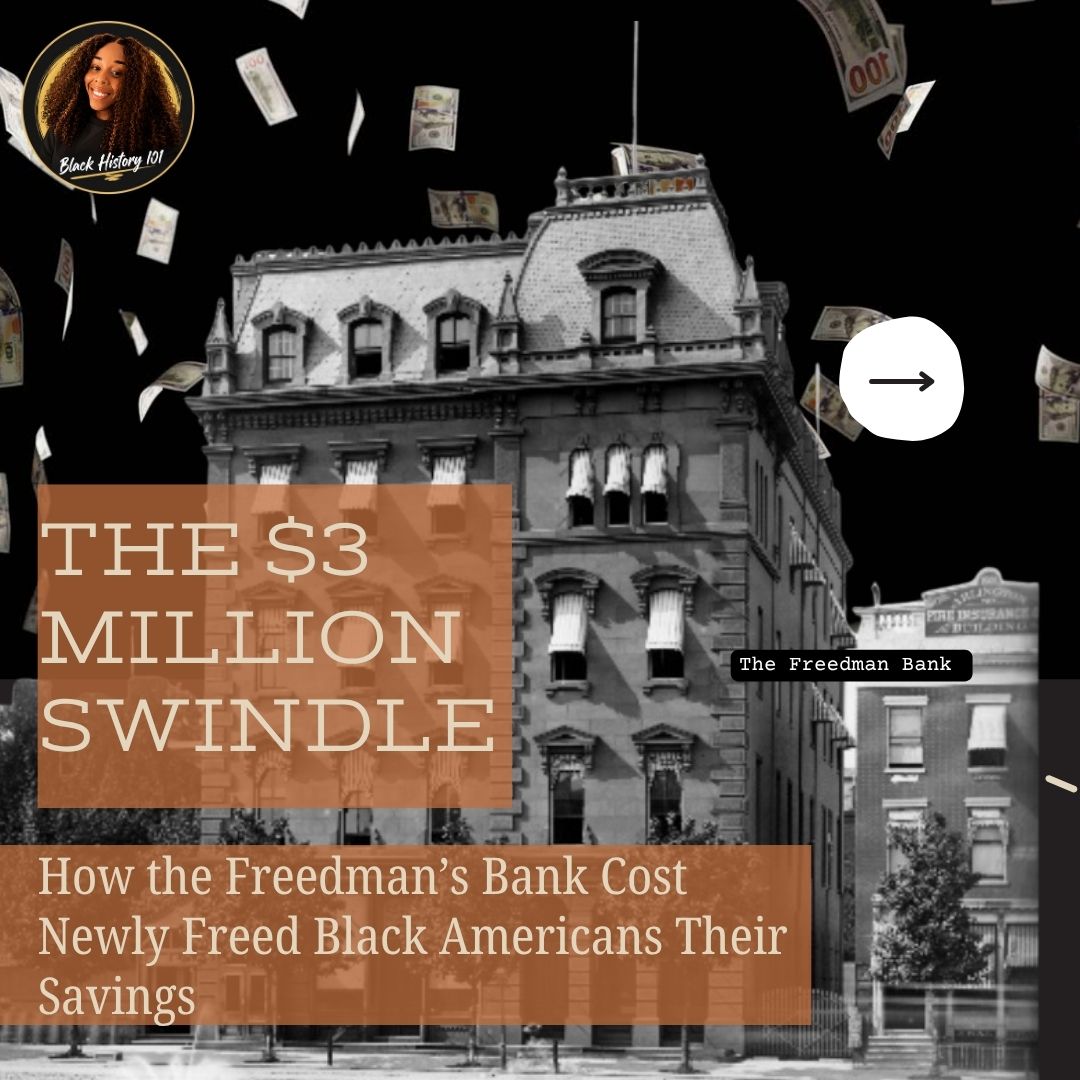
The $3 Million Swindle

How the Freedman’s Bank cost newly freed Black Americans their savings.

More than 70,000 Black depositors placed over $57 million into the Freedman’s Bank. When it collapsed in 1874, nearly $3 million in savings was lost — and many depositors never recovered their money.

Slavery & Resistance

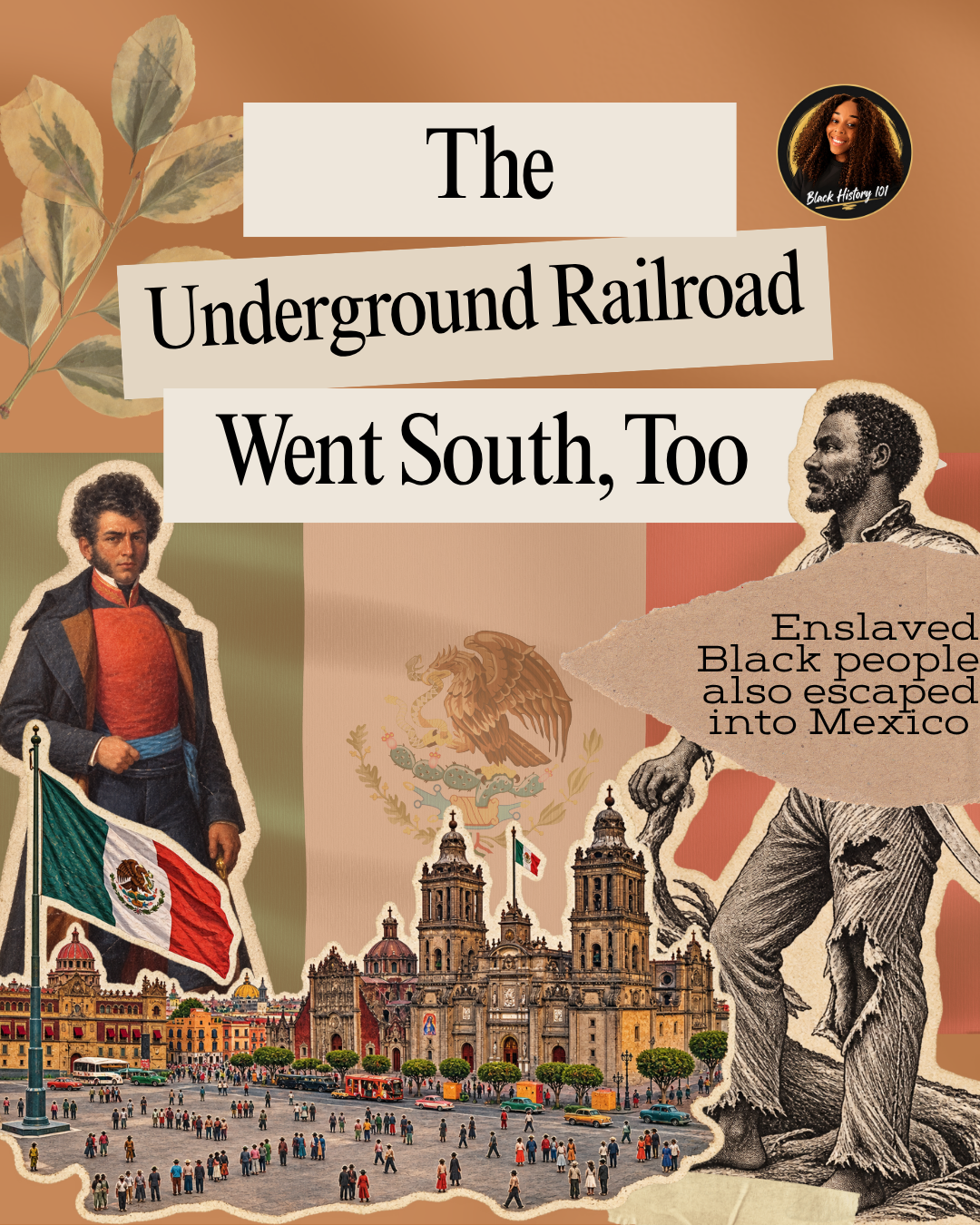
The Underground Railroad Went South, Too

Enslaved Black people also escaped into Mexico.

Freedom was not only north. Enslaved people in the Deep South and Texas escaped into Mexico, where crossing the Rio Grande placed them beyond the legal reach of American slavery.

Black America

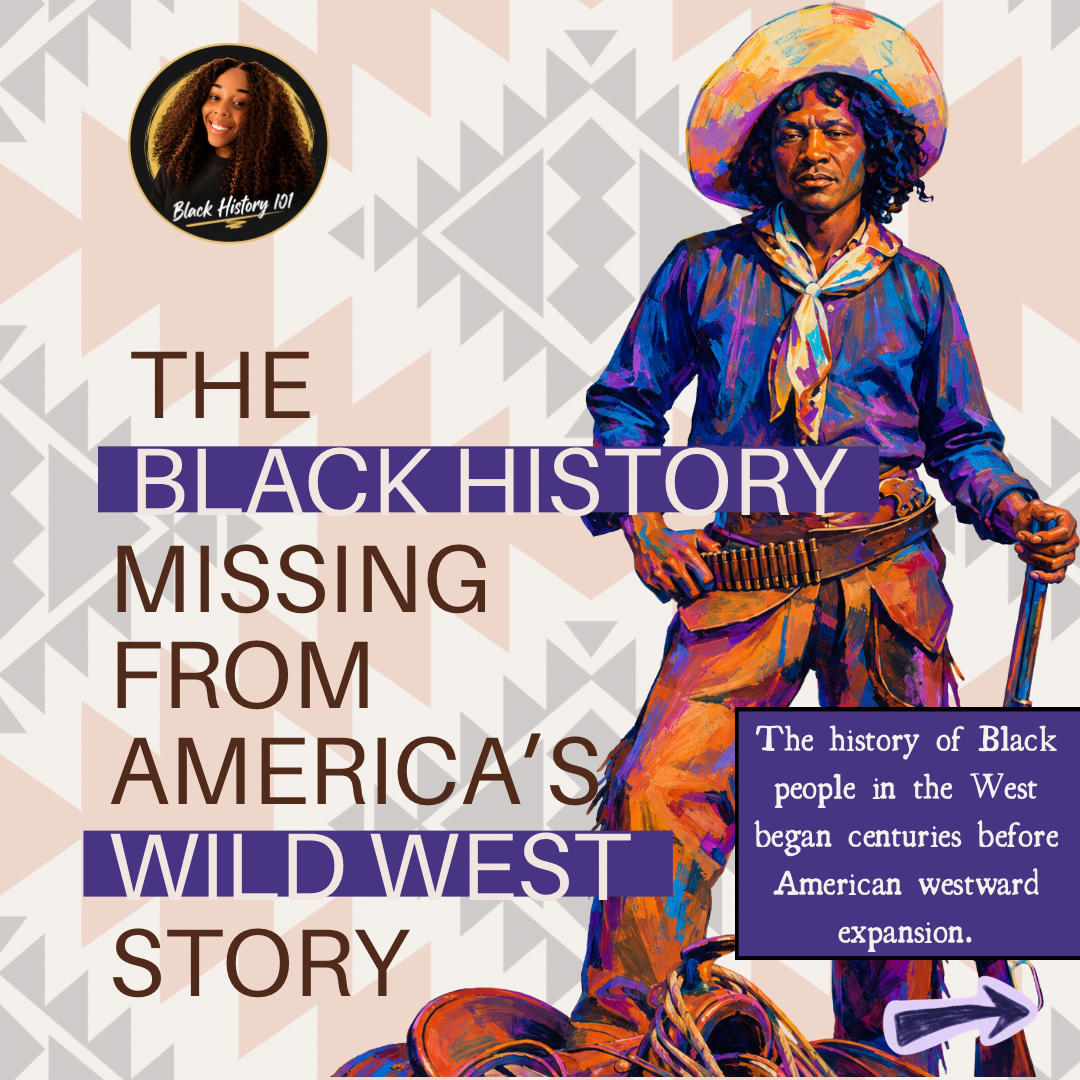
The Black History Missing From America’s Wild West Story

The history of Black people in the West began centuries before American westward expansion.

From Esteban in 1528 to the Exodusters, Black women builders of the West, and Oklahoma’s Black towns, this visual essay traces a Black western history that started long before the Civil War.

Slavery & Resistance

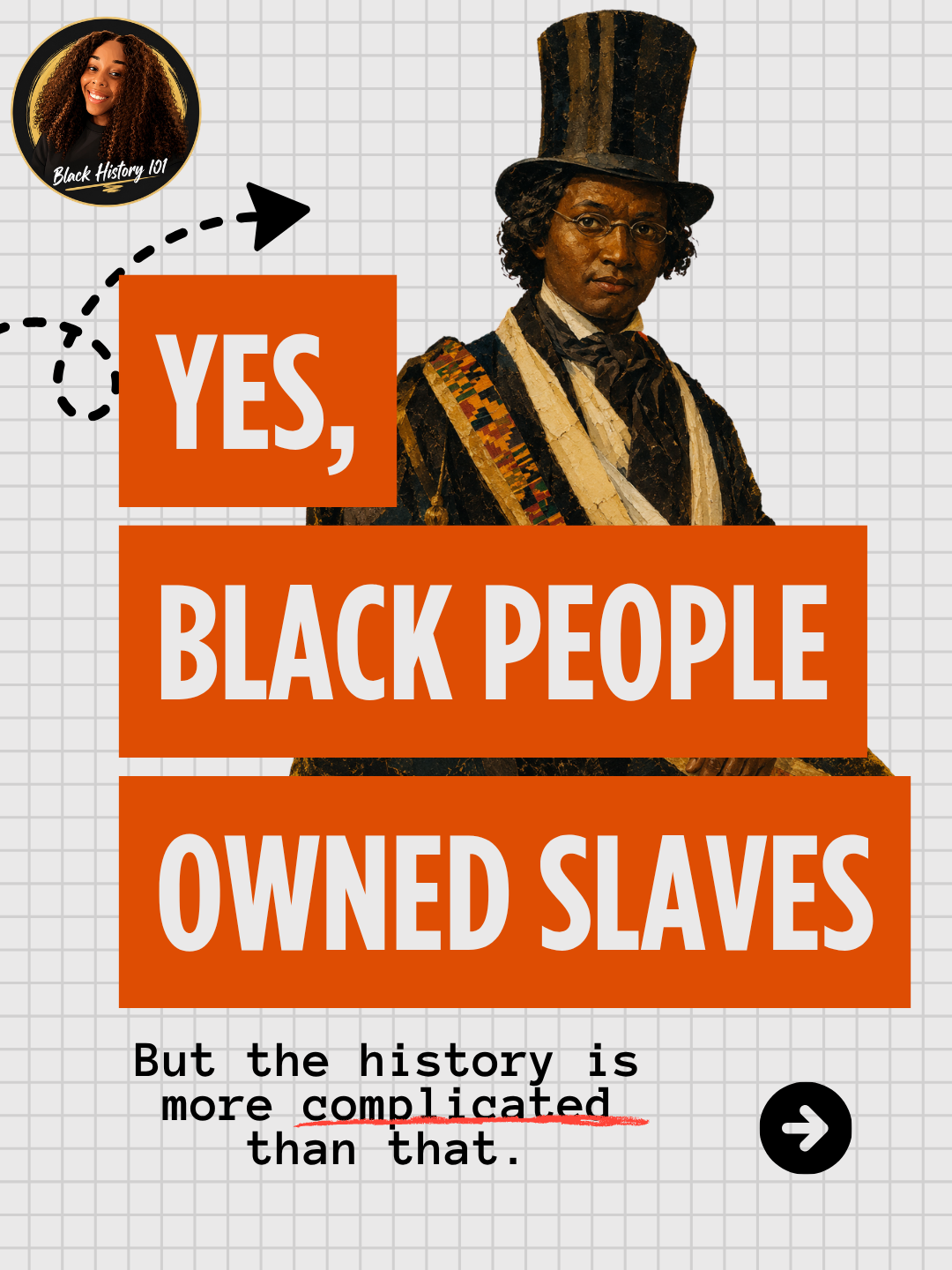
Yes, Black People Owned Slaves

But the history is more complicated than that.

Historians have identified both benevolent and exploitative motives behind Black slaveholding. This visual essay walks through the debate, the examples, and what the 1830 Census numbers actually say.

Slavery & Resistance

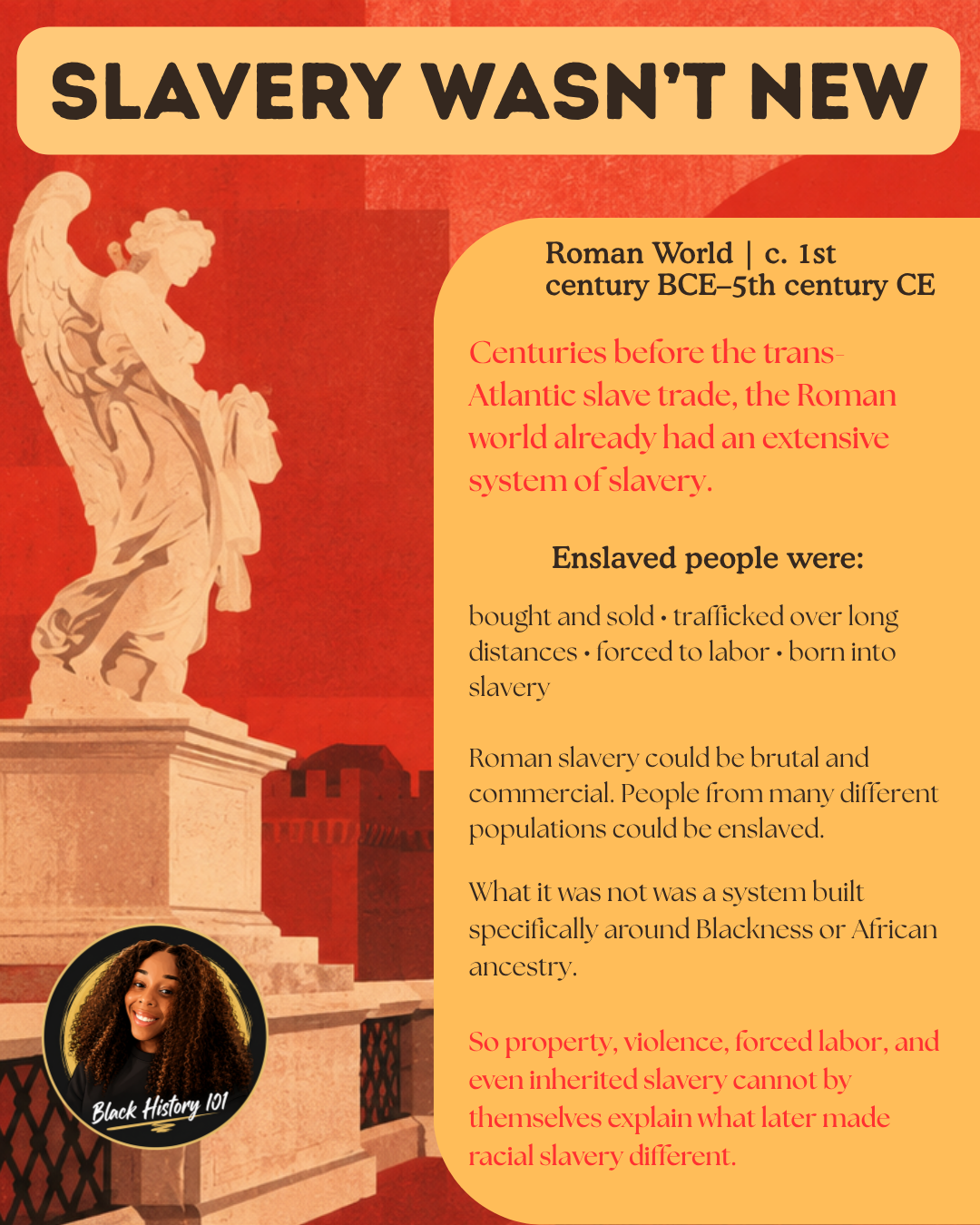
“But Slavery Existed Everywhere.” So What Made Racial Slavery Different?

Unpacking what made racial slavery different.

Yes, slavery existed long before the trans-Atlantic slave trade. This visual essay traces how slavery in Europe changed over centuries and how Blackness and African ancestry eventually became written into law.

Africa & the Diaspora

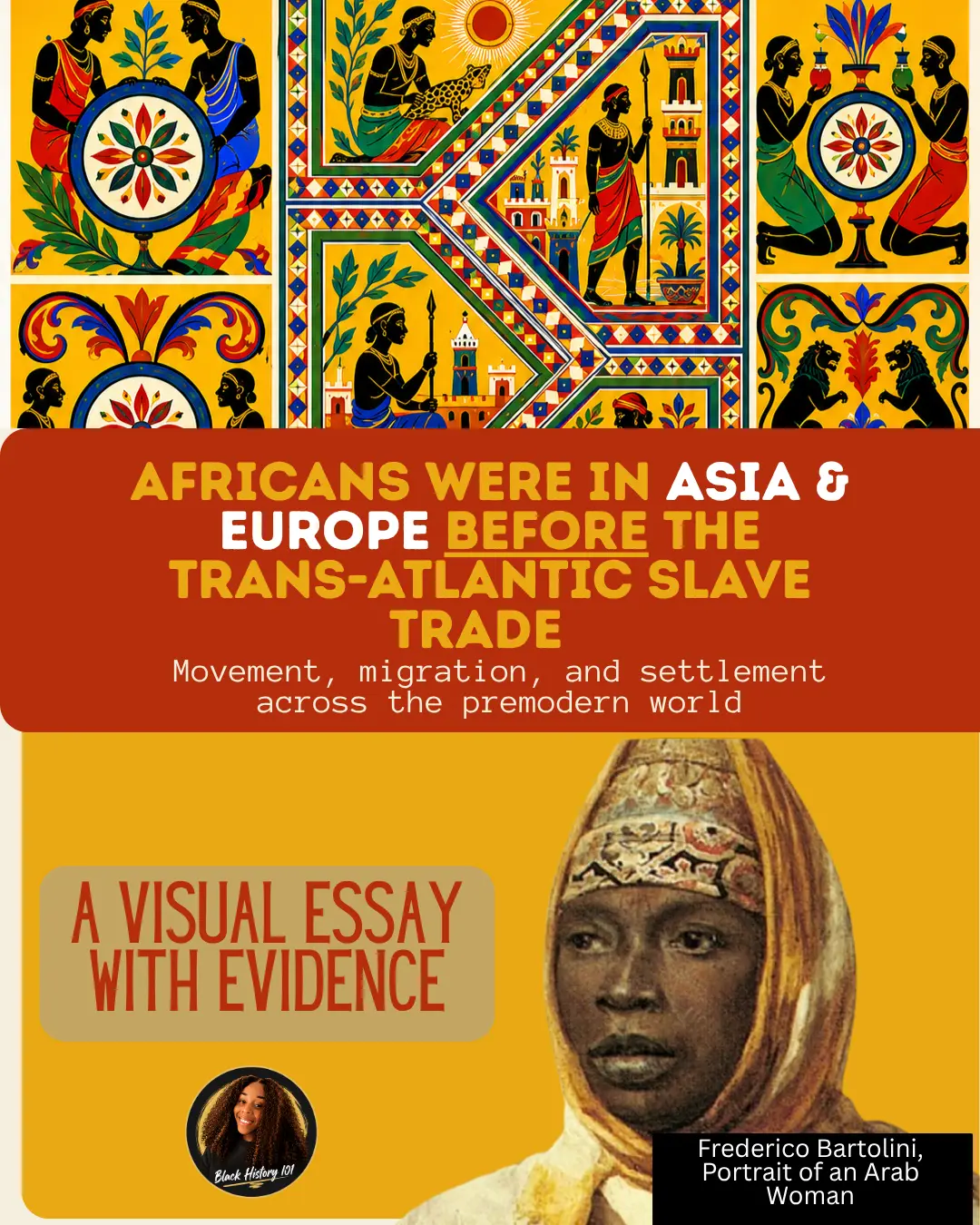
Africans Were In Asia & Europe Before The Trans-Atlantic Slave Trade

Movement, migration, and settlement across the premodern world.

African merchants, sailors, soldiers, rulers, diplomats and scholars across the Indian Ocean world, South Asia and Renaissance Europe, c. 200–1600 CE.

Slavery & Resistance

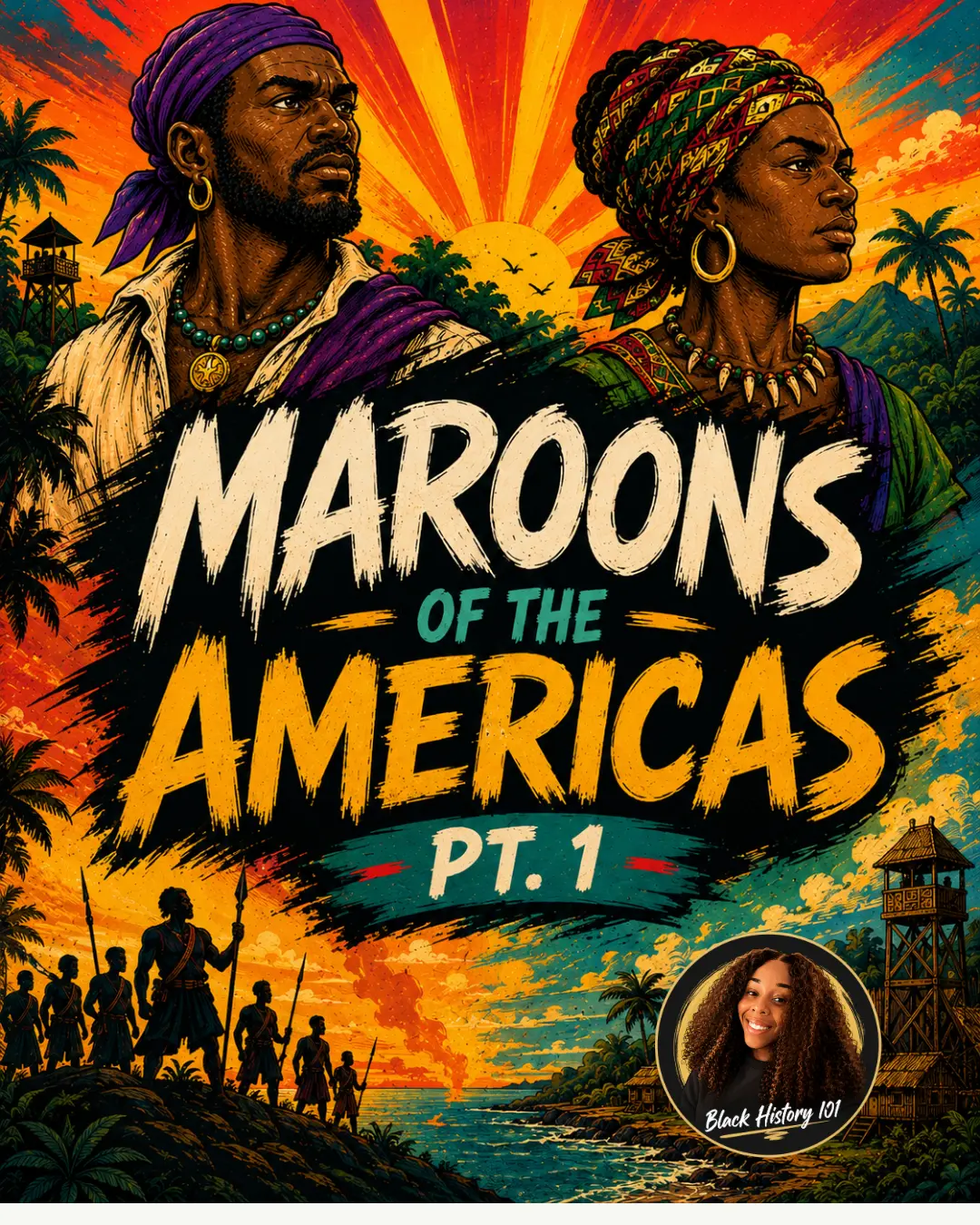
Maroons of the Americas, Pt. 1

Maroon Legends, Vol. 1.

Comic-style profiles of maroon leaders across the Americas: Bayano in Panama, Yanga in Veracruz, Queen Nanny in Jamaica, Mackandal in Saint-Domingue, Zumbi in Palmares, and Illescas in Esmeraldas.

Race & Identity

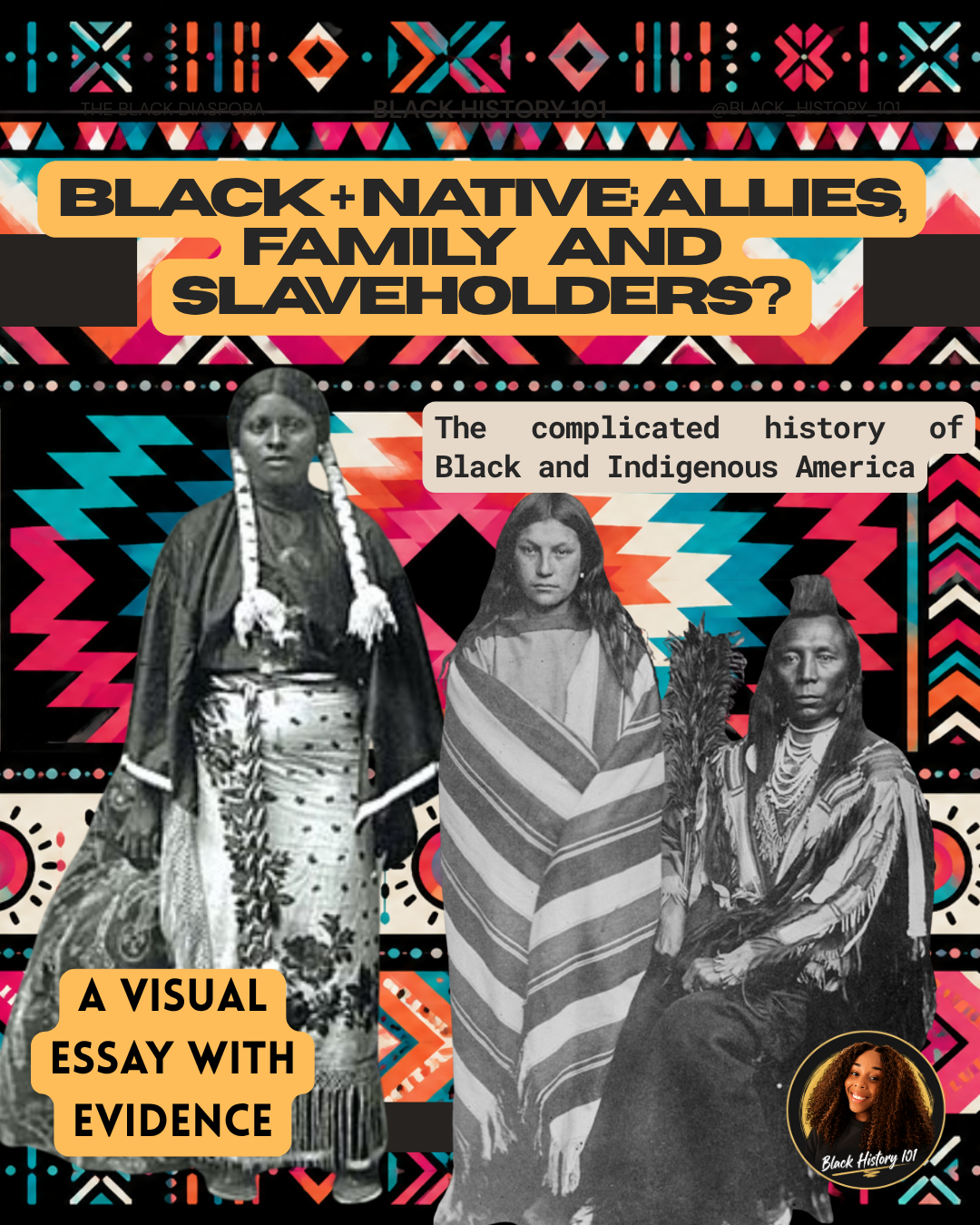
Black + Native: Allies, Family and Slaveholders?

The complicated history of Black and Indigenous America.

African-descended and Indigenous people encountered one another for centuries. Their relationships included family, intermarriage, refuge, trade, resistance, conflict, enslavement, and slave catching.

Slavery & Resistance

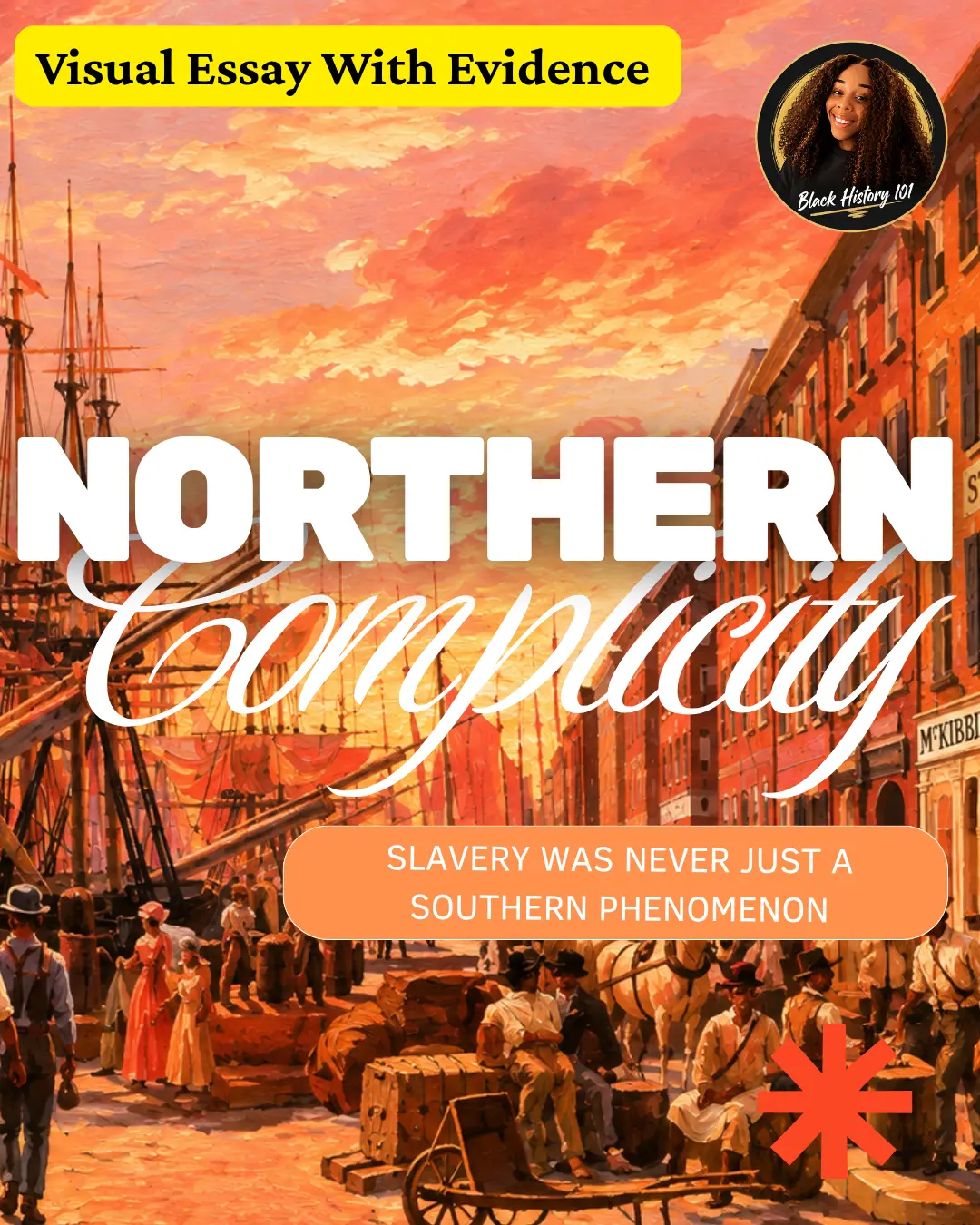
Northern Complicity

Slavery was never just a Southern phenomenon.

Slavery was never just a Southern phenomenon. This visual essay follows the evidence for Northern slavery and its economy.

Slavery & Resistance

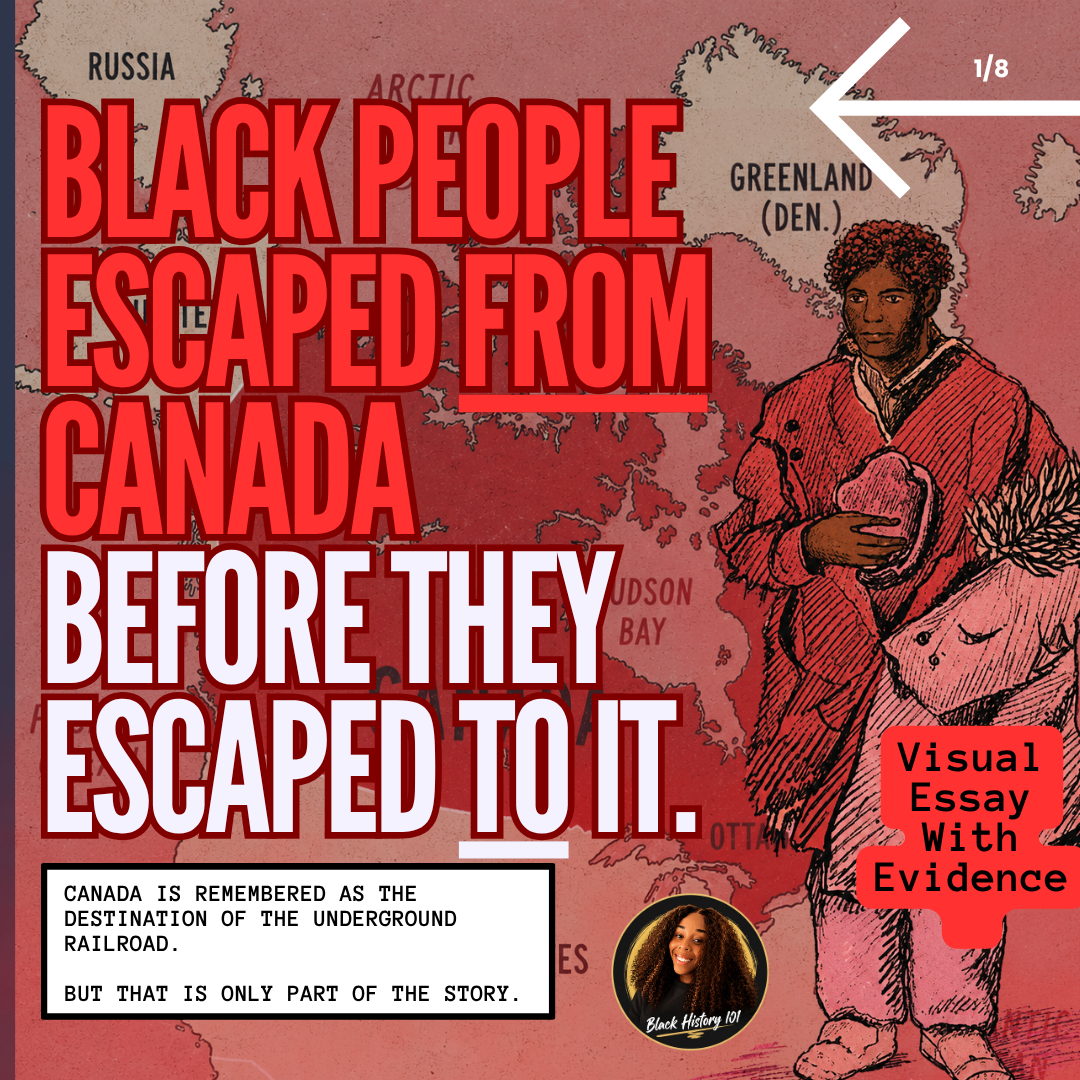
Black People Escaped From Canada Before They Escaped To It

Slavery in colonial Canada, c. 1629–1834.

Canada is remembered as the destination of the Underground Railroad. But that is only part of the story.

Slavery & Resistance

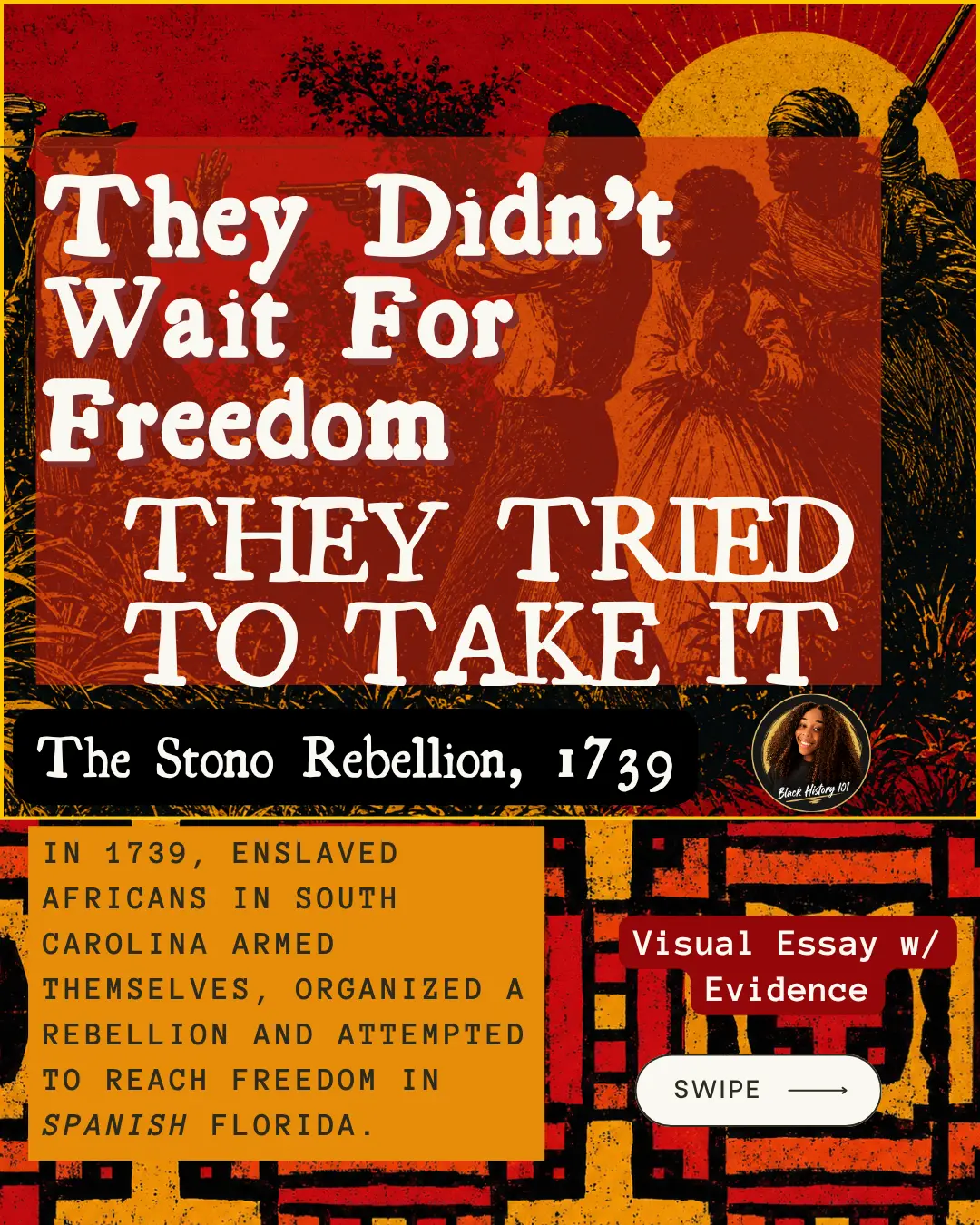
They Didn’t Wait For Freedom, They Tried To Take It

The Stono Rebellion, 1739.

In 1739, enslaved Africans in South Carolina armed themselves, organized a rebellion and attempted to reach freedom in Spanish Florida.

Slavery & Resistance

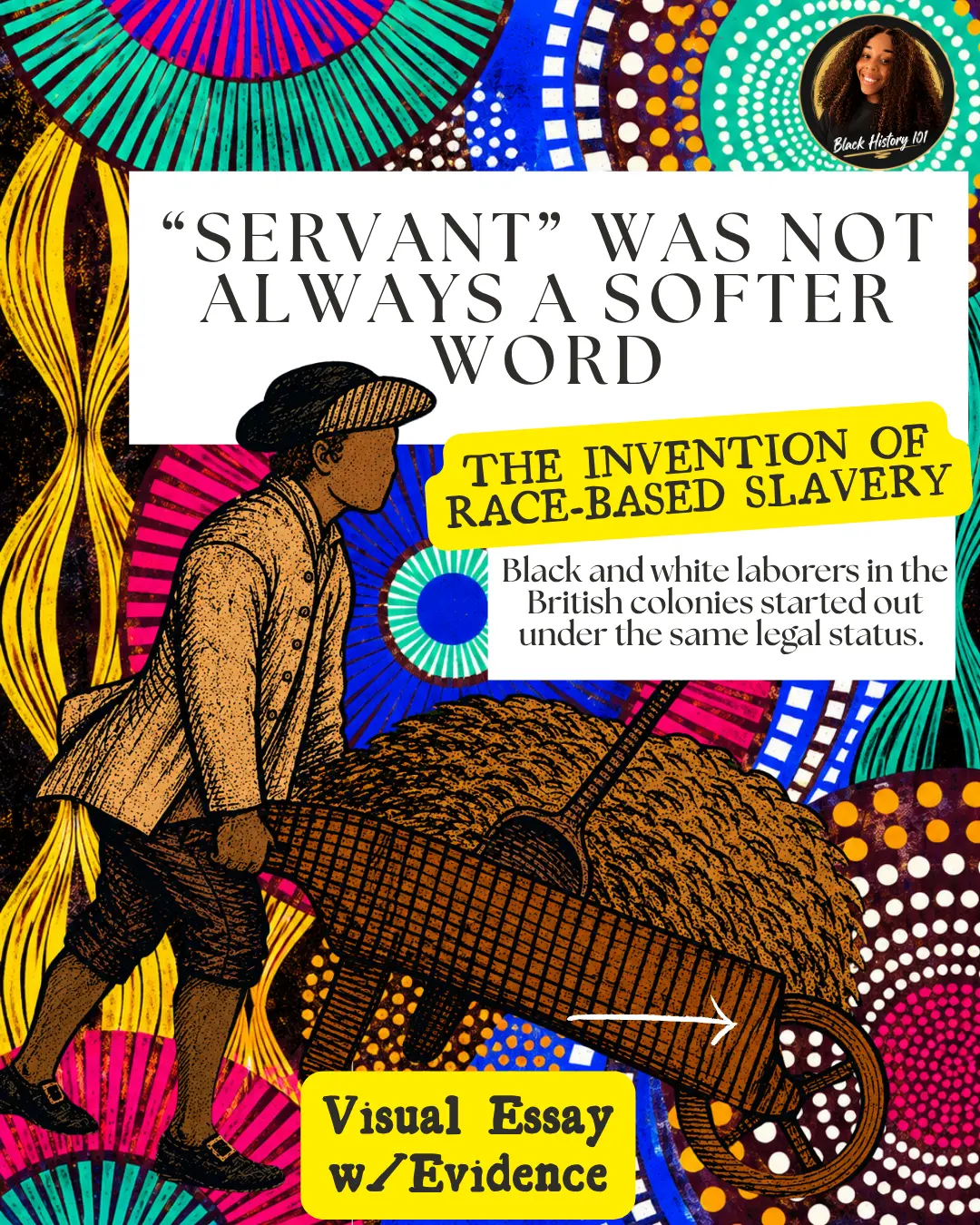
“Servant” Was Not Always a Softer Word

The invention of race-based slavery.

Black and white laborers in the British colonies started out under the same legal status.

Slavery & Resistance

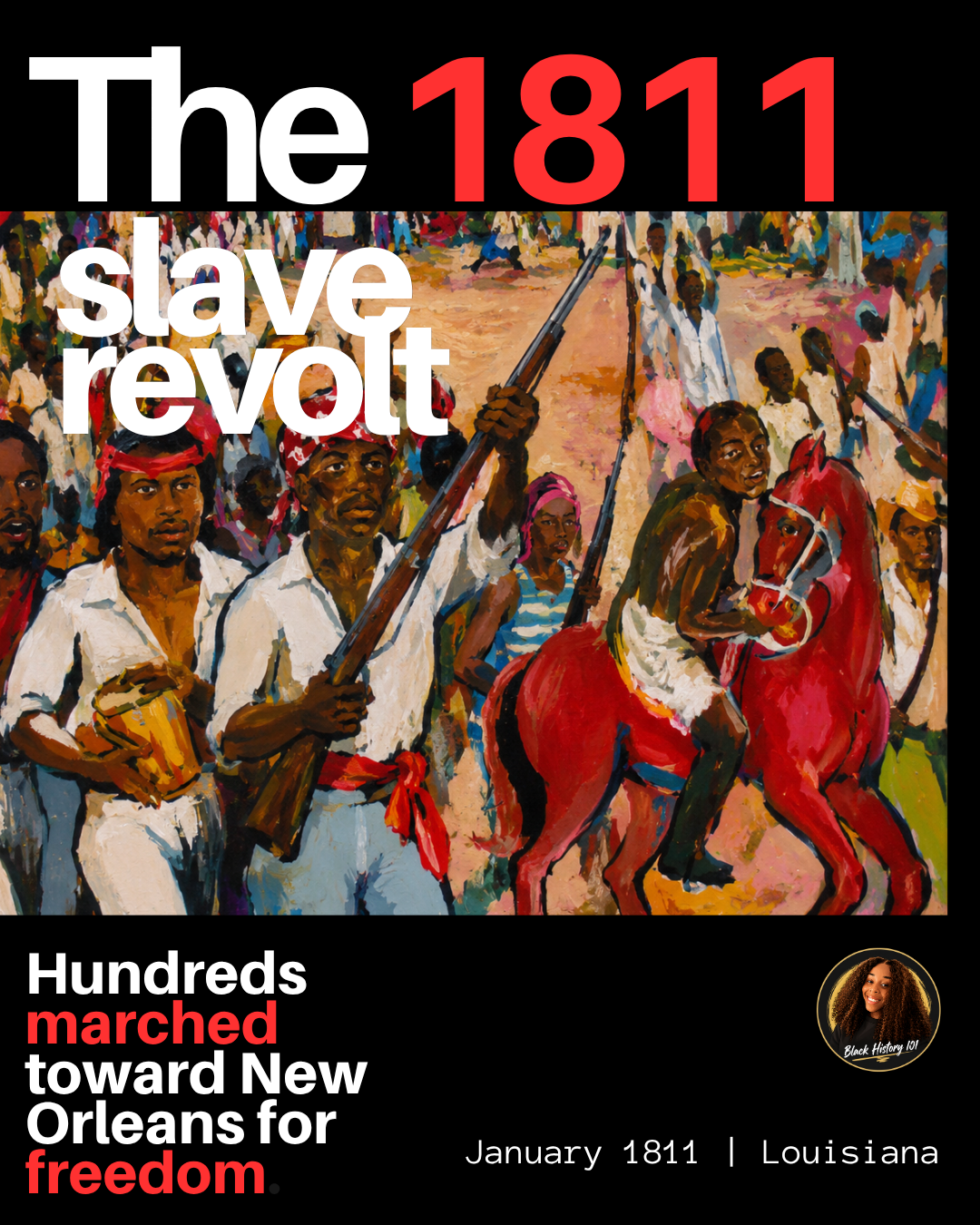
The 1811 German Coast Uprising

In January 1811, hundreds of enslaved people in Louisiana organized, armed themselves, and marched toward freedom in one of the largest slave uprisings in U.S. history.

Politics & Race

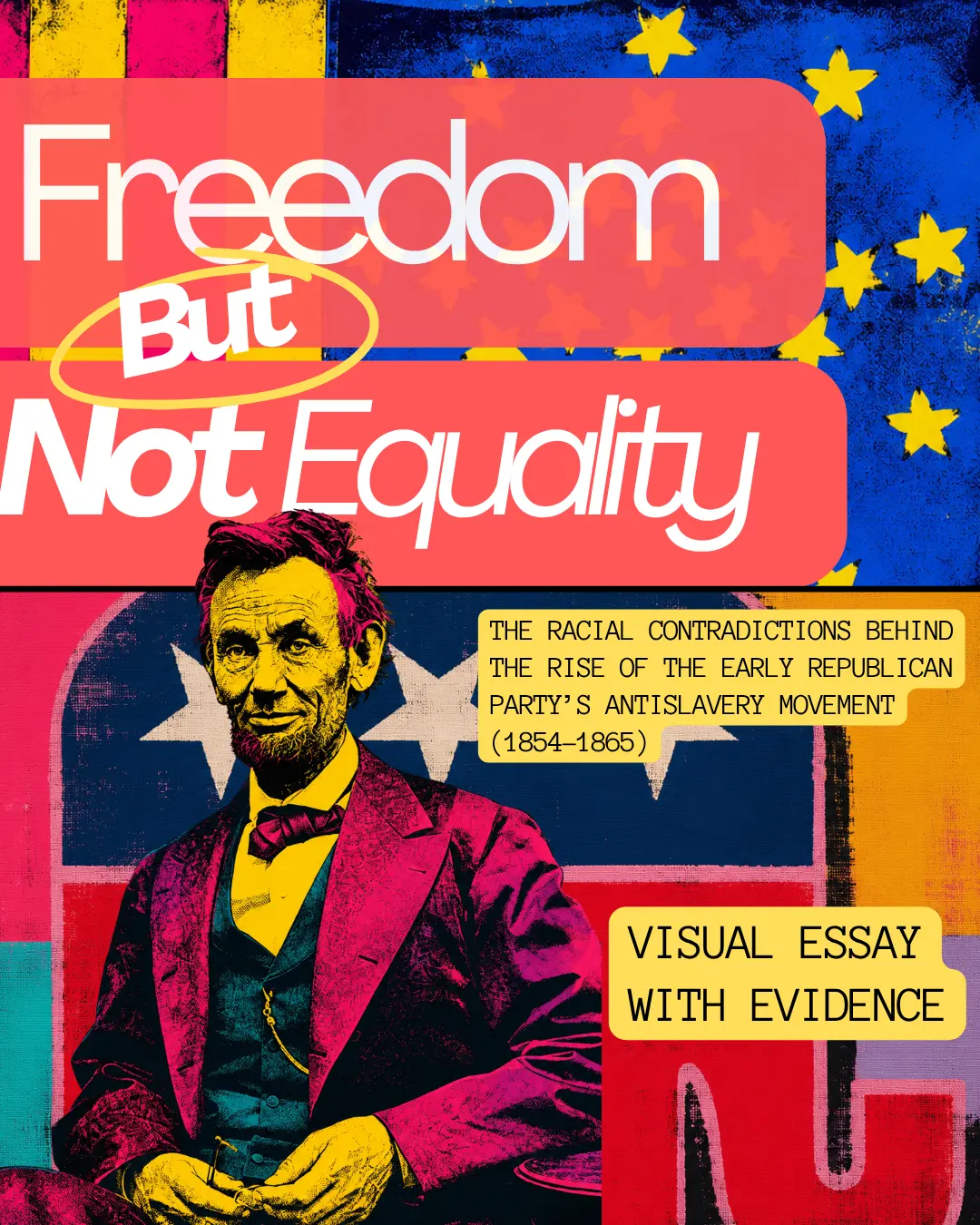
Antislavery Did Not Mean Antiracist

The racial contradictions behind the rise of the early Republican Party, 1854–1865.

The early Republican Party opposed the expansion of slavery, but that did not mean Republicans agreed on Black citizenship or racial equality. This visual essay examines those contradictions through historical scholarship and primary sources.

Join The 101

Black history
doesn’t stop
at the post.

Join a growing community of educators, parents, learners, and history-curious people who want to go beyond the myths and follow the evidence.

Get new visual essays, deeper dives, reading recommendations, educational resources, and updates from Black History 101—directly from us, beyond the algorithm.

One email. Once a month.

  • 01A story worth knowing
  • 02The context behind it
  • 03What to read or watch next
  • 04New Black History 101 resources

Free to join. Receive the monthly Black History 101 letter plus occasional updates about new resources, courses, and programs. Unsubscribe anytime.