
Black Women Fought For More Than a Paycheck
Publication date — to be added
Introduction
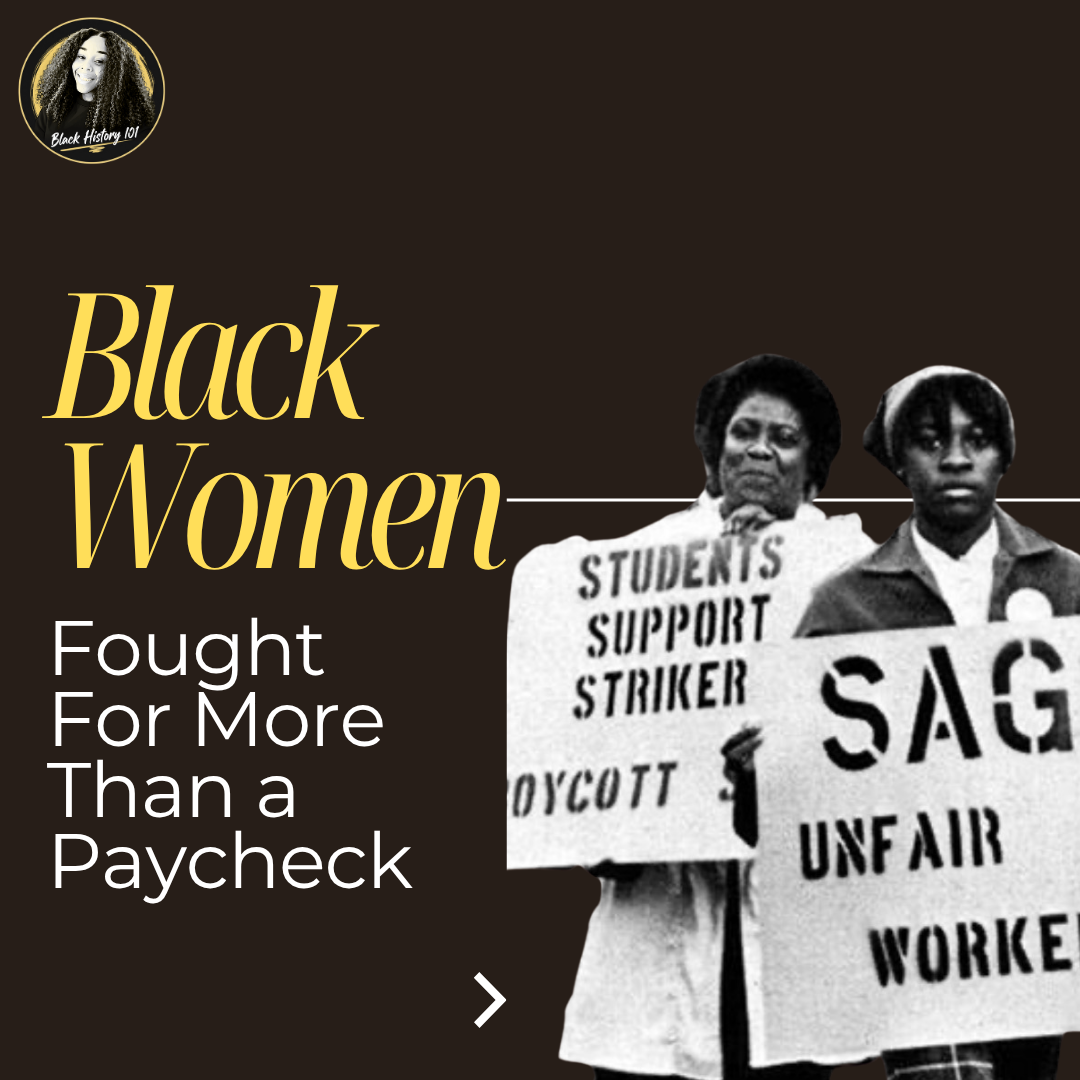
Following emancipation, racial and gender discrimination limited Black women's access to better-paying jobs. Many worked in agriculture and domestic service, where low wages and long hours made supporting their families difficult. Employers depended on their labor while paying them poorly and subjecting them to mistreatment. These conditions led Black women to organize for higher wages, shorter hours, and greater control over their work.
In 1881, Black laundresses in Atlanta earned approximately $4 to $8 a month for work that required carrying water, washing clothes by hand, and ironing for long hours. To challenge these conditions, 20 women formed the Washing Society and called a strike for higher pay. Through door-to-door organizing and support from Black ministers, their numbers grew to 3,000 within three weeks. Despite arrests and fines, the women continued their demands, securing higher wages and pressuring the city to withdraw a proposed annual fee targeting organized washerwomen.
During the 1930s, Charlotte Adelmond and Dollie Lowther Robinson helped organize New York City laundry workers against low wages, long hours, and racial and gender discrimination. Their efforts contributed to the formation of the Laundry Workers Joint Board in 1937, and within a year the union secured contracts with higher wages, overtime pay, and paid vacations. Discrimination continued, and the women challenged union leaders who accepted unequal pay and discriminatory hiring practices.
Having experienced mistreatment as a domestic worker herself, Dorothy Bolden founded the National Domestic Workers Union in Atlanta in 1968 and helped organize a campaign for better pay and fair treatment; according to Georgia State University Library's account, the struggle she helped lead raised wages for Atlanta domestic workers by 33 percent within two years. In 1990, Hattie Canty became president of Culinary Workers Union Local 226. The following year, 550 workers at Las Vegas's Frontier Hotel and Casino struck over unfair wages and treatment, holding out for more than six years until a 1998 agreement with a new owner restored their jobs, recognized union contracts, and provided back pay and benefits.
The experiences of these women reveal how low wages, mistreatment, and discrimination led Black women to organize. By forming unions and refusing to work under unfair conditions, they pressured employers to increase wages and improve their treatment of workers. But joining a union did not guarantee equal treatment: Black women also had to challenge racial and gender discrimination within the organizations they helped build.
Digital PDF
Keep this essay.
Explore downloadable Black History 101 Visual Essay learning guides for deeper learning, classroom use, and independent study.
Sources & Further Reading
- AFL-CIO. “Atlanta’s Washerwomen Strike.” Accessed September 7, 2026.
- Banks, Nina. “Black Women’s Labor Market History Reveals Deep-Seated Race and Gender Discrimination.” Economic Policy Institute, February 19, 2019.
- Culinary Union Local 226. “UNLV Project Documents Culinary Union’s Frontier Strike as 25th Anniversary Is Celebrated.” September 22, 2016.
- Hapke, Laura. “Who Are You Calling Un-American?: Harlem Voices in New Deal Narratives.” Americana: The Journal of American Popular Culture (1900–present) 18, no. 2 (Fall 2019).
- Heydemann, Sarah David. “Black Women Built That: Labor and Workers’ Rights.” National Women’s Law Center, February 28, 2018.
- Horowitz Garcia, Daniel. “Dorothy Bolden Gave Voice to Atlanta’s ‘Help.’” Georgia State University Library, September 7, 2011.
- Jenny Carson. “The Laundry Workers’ Uprising: The Fight to Build a Democratic Union in the Twentieth Century.” LAWCHA, 2022.
Related Essays
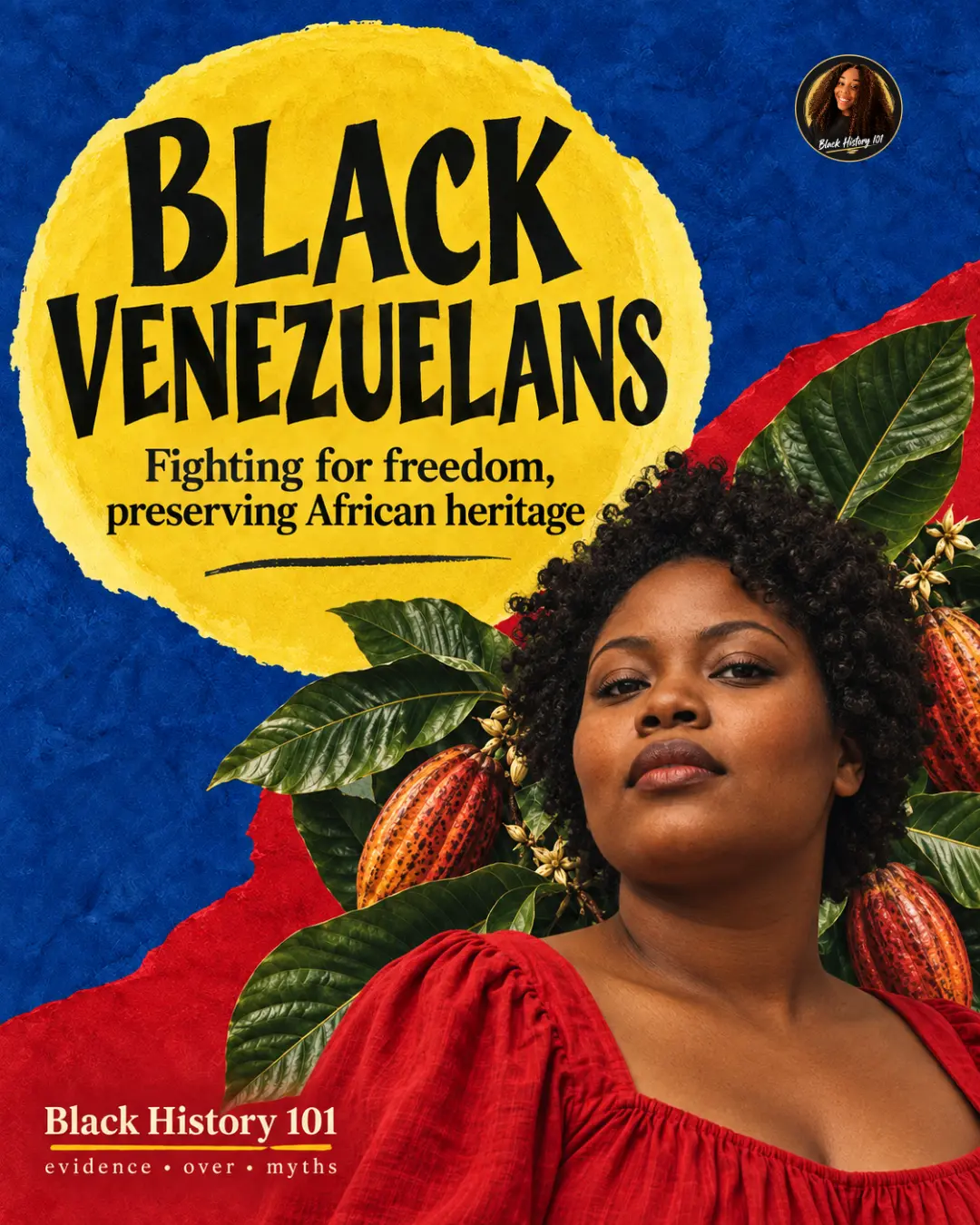
Black Venezuelans
Fighting for freedom, preserving African heritage
From the early 1500s, enslaved Africans in Venezuela worked in mining and agriculture, escaped to build their own communities, rose up at Coro in 1795, and sustained African traditions that their descendants continue to defend.
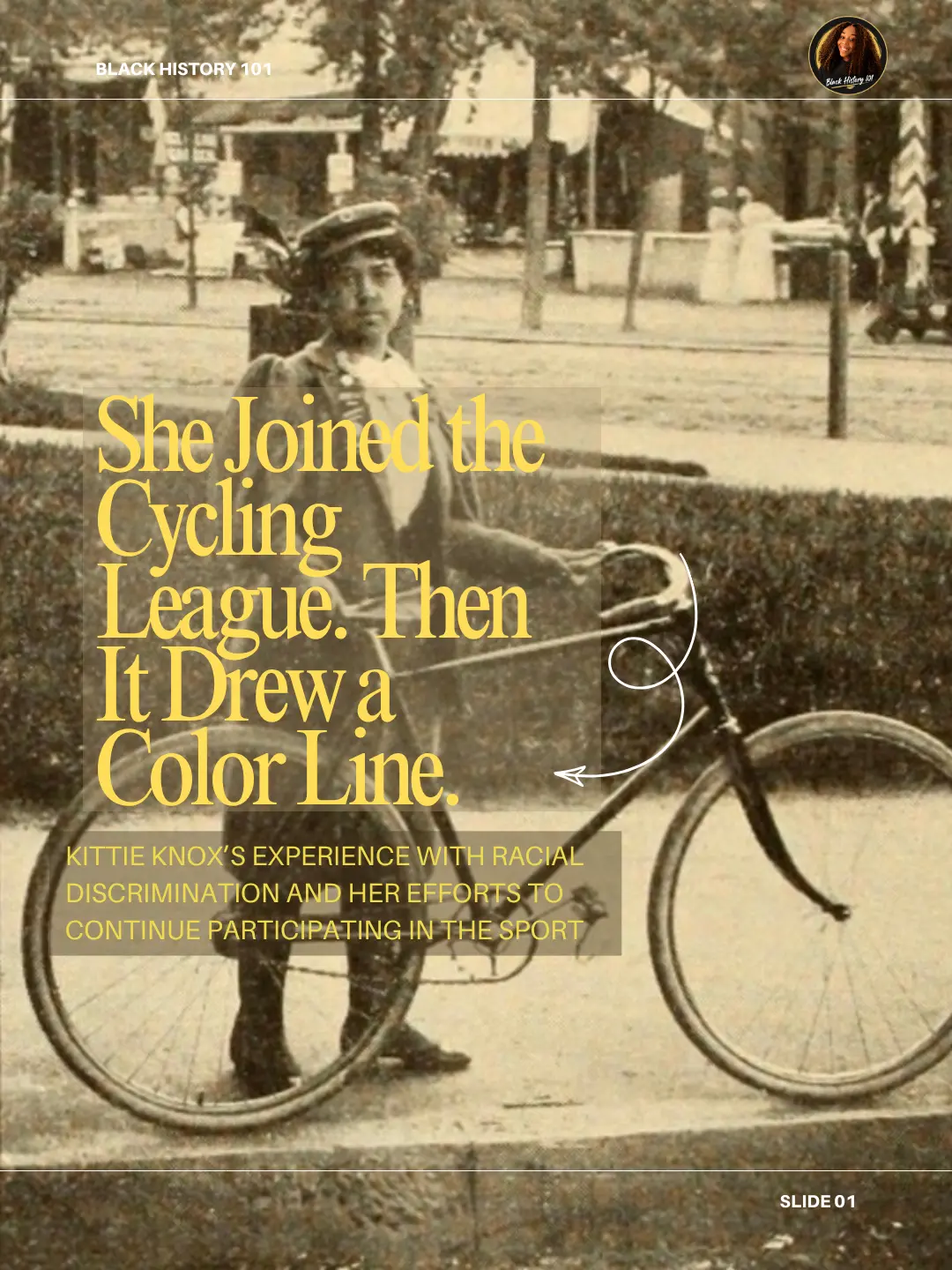
She Joined the Cycling League. Then It Drew a Color Line.
Kittie Knox's experience with racial discrimination and her efforts to continue participating in the sport.
Kittie Knox joined the League of American Wheelmen in 1893. When the league restricted new membership to white people the next year, her eligibility was questioned, and she kept presenting her credentials and riding.
Join The 101
The story doesn't end here.
Join The 101 and get the monthly Black History 101 letter—a story worth knowing, the context behind it, and what to read or watch next.
Free to join. Receive the monthly Black History 101 letter plus occasional updates about new resources, courses, and programs. Unsubscribe anytime.
Keep Learning
Classroom-ready Black history resources, courses and teaching materials.
Explore Educator ResourcesFor FamiliesResources for parents and caregivers who want to explore Black history at home.
Learn TogetherFor Curious MindsVisual essays, courses and resources for independent learners who want to go deeper.
Start Exploring