
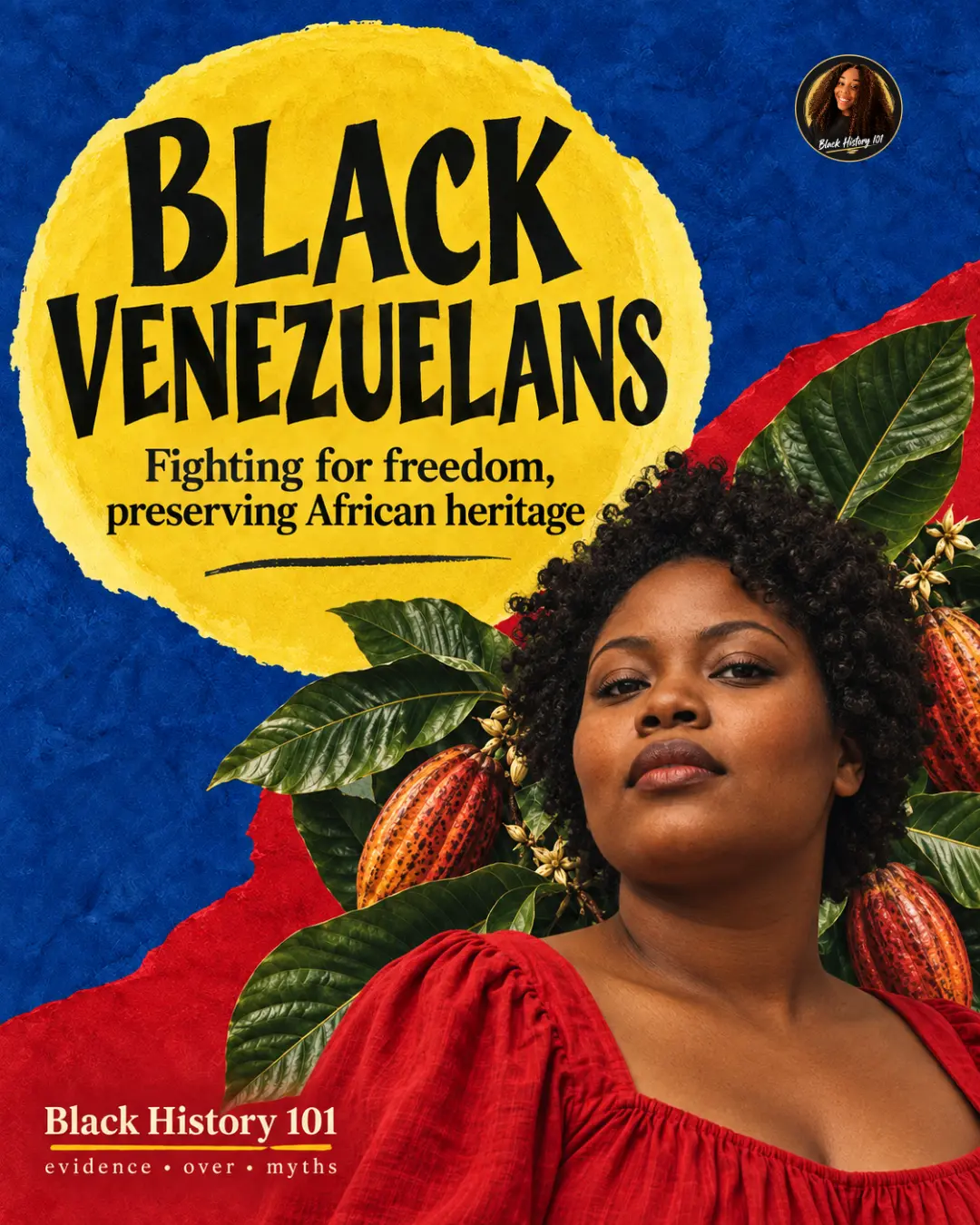
Black Venezuelans
Fighting for freedom, preserving African heritage
Publication date — to be added
Introduction
Beginning in the early 1500s, enslaved Africans were brought to present-day Venezuela and forced to work in mining and agriculture. In Barlovento, their labor supported cacao plantations. However, Africans also brought agricultural knowledge, spiritual practices, and cultural traditions that their descendants continued to develop.
In the early 1550s, an enslaved man named Miguel escaped the Buría mining region and helped establish a community of African and Indigenous fugitives. He became king, and his wife, Guiomar, became queen. The community organized its own leadership and defenses, challenging Spanish control over their lives. Spanish forces eventually destroyed the settlement and killed Miguel.
Miguel's settlement was part of a broader history of escape. Throughout Venezuela, people fleeing slavery established communities known as cumbes. Knowledge of farming, water sources, and the surrounding land helped sustain these settlements. In Barlovento, some communities remained inhabited by descendants generations later.
On May 10, 1795, approximately 400 enslaved people, free Black people, and some Indigenous people rose up in the Coro region. Associated with José Leonardo Chirino, the rebellion demanded an end to slavery, sales taxes, and Indigenous tribute payments. Colonial forces violently suppressed the uprising. Chirino was later captured and executed in 1796.
Much of what survives about the Coro rebellion comes from the authorities who suppressed it. Officials described the rebels' demands and justified their punishment, while the records examined by historians contain no testimony from the rebels themselves. This limits what we can confidently say about their intentions, particularly claims that they sought to reproduce the Haitian Revolution.
In Barlovento, African traditions continued through drumming, dance, language, and spiritual practices. For instance, San Juan celebrations combined Catholic devotion with African cultural practices. Historian Walton Messi explains that these traditions sustained community identity and served as forms of resistance.
Slavery was abolished in Venezuela in 1854, but freedom did not remove racial barriers. Political leaders later promoted European immigration as a means of “whitening” the population. Meanwhile, claims that Venezuelans were all racially mixed could make discrimination harder to acknowledge, even as Black communities continued to experience exclusion.
Black Venezuelans also organized to challenge their exclusion from the national story. Cultural associations preserved the memory of Chirino through commemorations, music, and monuments. Their work shows that recognition did not happen automatically. Communities actively insisted that Black resistance and experience belonged in Venezuela's history.
Digital PDF
Keep this essay.
Explore downloadable Black History 101 Visual Essay learning guides for deeper learning, classroom use, and independent study.
Sources & Further Reading
Bibliography to be added.
Related Essays
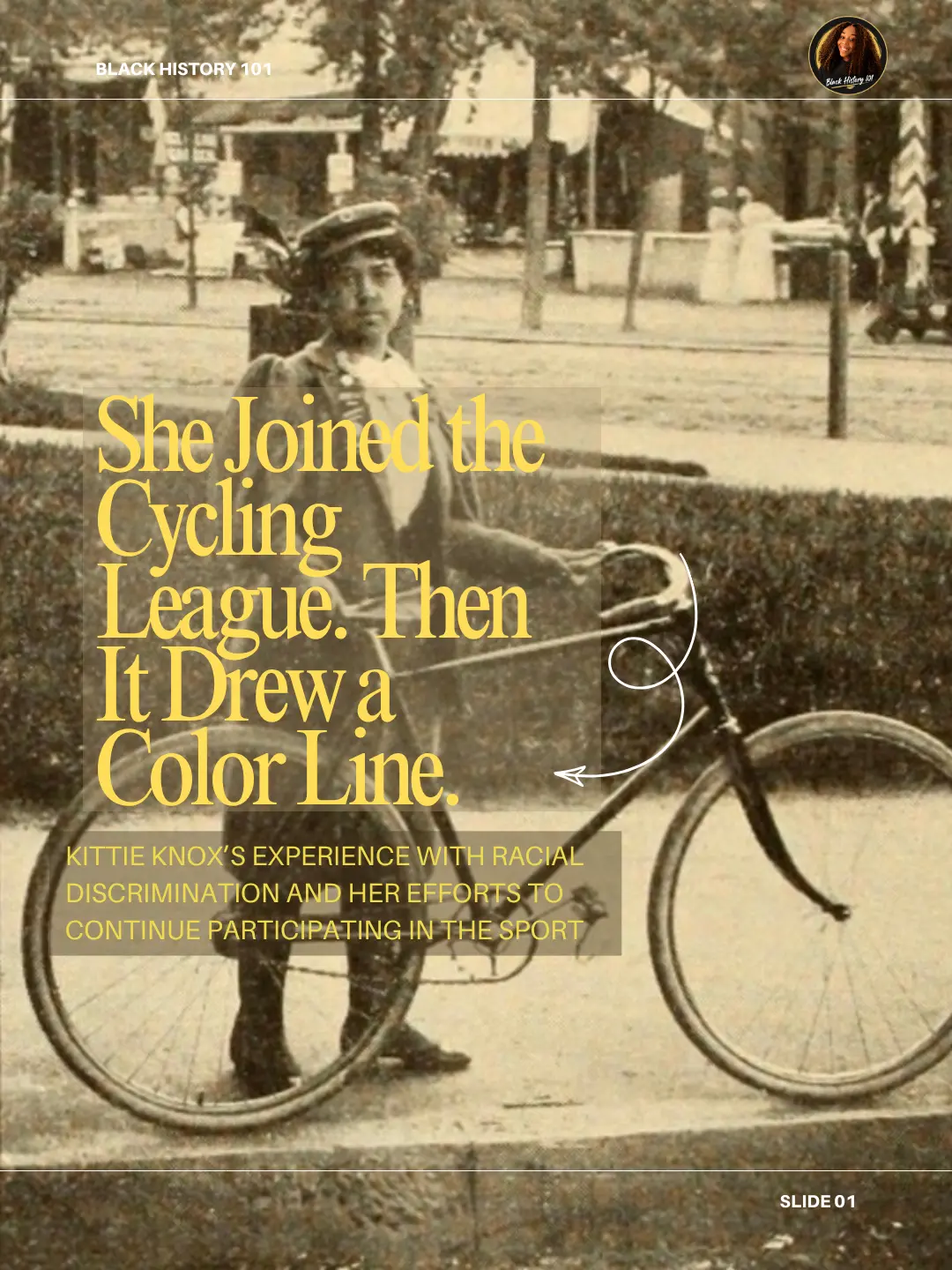
She Joined the Cycling League. Then It Drew a Color Line.
Kittie Knox's experience with racial discrimination and her efforts to continue participating in the sport.
Kittie Knox joined the League of American Wheelmen in 1893. When the league restricted new membership to white people the next year, her eligibility was questioned, and she kept presenting her credentials and riding.
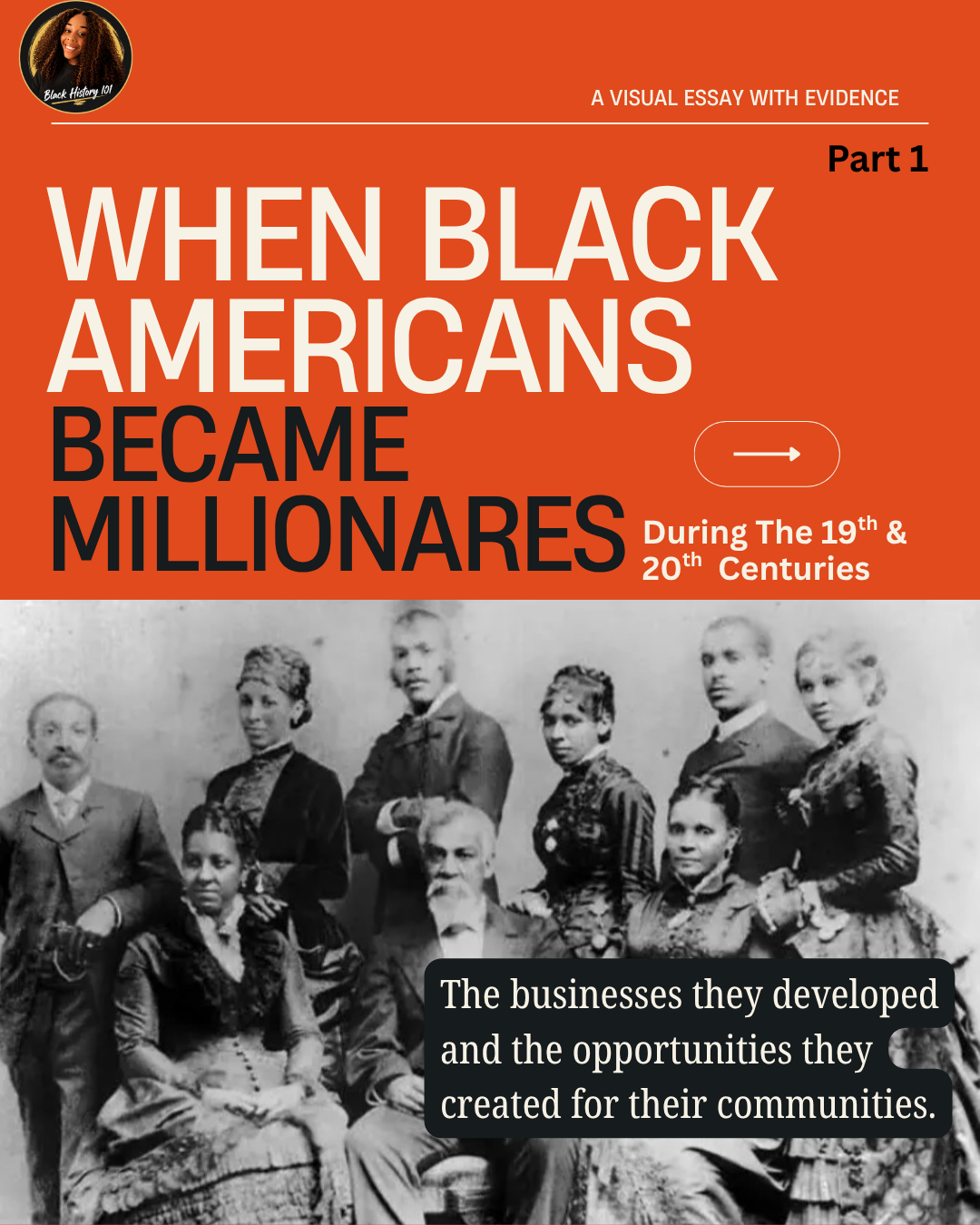
When Black Americans Became Millionaires
During the 19th and 20th centuries: the businesses they developed and the opportunities they created for their communities.
Jeremiah G. Hamilton, Robert Reed Church Sr., Annie Turnbo Malone, and Madam C. J. Walker built fortunes in finance, real estate, and hair care despite discrimination, then used their resources to support education, employment, and community institutions.
Join The 101
The story doesn't end here.
Join The 101 and get the monthly Black History 101 letter—a story worth knowing, the context behind it, and what to read or watch next.
Free to join. Receive the monthly Black History 101 letter plus occasional updates about new resources, courses, and programs. Unsubscribe anytime.
Keep Learning
Classroom-ready Black history resources, courses and teaching materials.
Explore Educator ResourcesFor FamiliesResources for parents and caregivers who want to explore Black history at home.
Learn TogetherFor Curious MindsVisual essays, courses and resources for independent learners who want to go deeper.
Start Exploring