
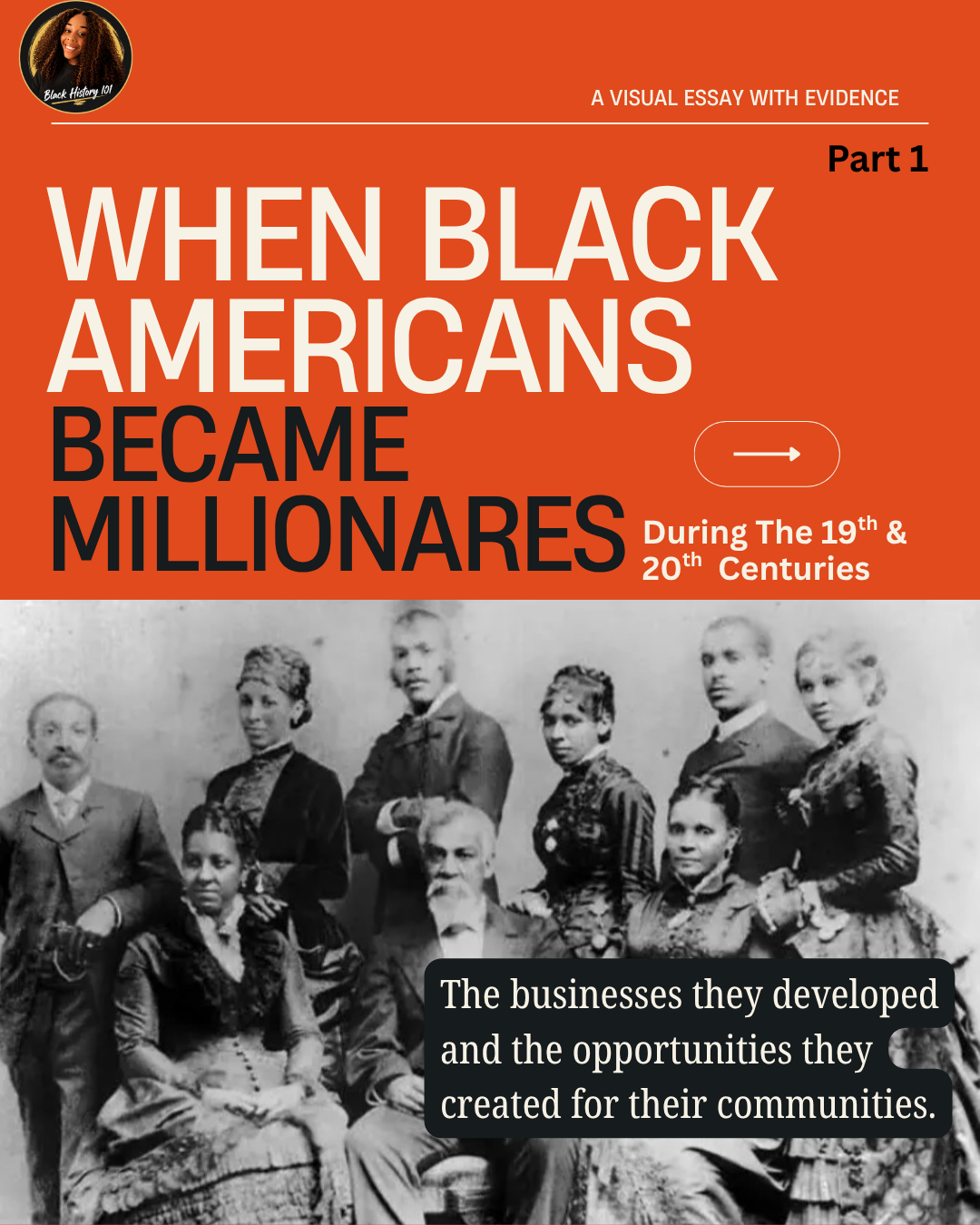
When Black Americans Became Millionaires
During the 19th and 20th centuries: the businesses they developed and the opportunities they created for their communities.
Publication date — to be added
Introduction
During the nineteenth and early twentieth centuries, racial discrimination limited employment and business opportunities for Black Americans. Despite these conditions, Black entrepreneurs established businesses in finance, real estate, and hair care. Their knowledge of these industries allowed them to accumulate wealth, and several used their resources to support education, employment, and community institutions.
Jeremiah G. Hamilton was a Wall Street broker who built his fortune through stock trading and managing money for investors. His knowledge of the market led prominent bankers to seek his advice. Although companies he invested in denied Black people access to their services, Hamilton continued to invest in their businesses. When he died in 1875, newspapers estimated his fortune at nearly $2 million.
Born enslaved in Mississippi, Robert Reed Church used skills learned working on steamboats to operate businesses in Memphis. His investments included real estate, a hotel, restaurant, and saloon, and he eventually became a millionaire. Because Memphis did not provide recreational facilities for Black residents, Church opened a park and auditorium in 1899 that became a center for community gatherings.
Annie Malone developed hair-care products for Black women but was denied access to regular distribution channels. To reach customers, she and her assistants sold products door-to-door. Her business expanded nationally, and by 1918 she was a millionaire. That year, she opened Poro College, providing Black women with training in hair care and space for the community to hold events.
Madam C. J. Walker worked as a laundress and sold Annie Malone's products before establishing her own hair-care business. Her experience with hair loss contributed to her interest in developing treatments. Through training schools and a network of sales agents, she expanded her company and became a recognized millionaire. Her business provided earning opportunities for Black women whose employment options were often limited to domestic work.
Church, Malone, and Walker recognized needs within Black communities and committed resources to addressing them. For instance, Church provided space for recreation and public meetings, while Malone donated to educational and charitable institutions. Walker supported the YMCA and NAACP. Their contributions helped provide services, learning opportunities, and support for civil rights efforts.
Digital PDF
Keep this essay.
Explore downloadable Black History 101 Visual Essay learning guides for deeper learning, classroom use, and independent study.
Sources & Further Reading
- Engel, Elizabeth E. “Annie Turnbo Malone.” Historic Missourians. State Historical Society of Missouri. N.d.
- Mitchell, Reavis L., Jr. “Robert Reed Church, Sr.” Tennessee State University. N.d.
- National Museum of African American History and Culture. “Annie Malone and Madam C.J. Walker: Pioneers of the African American Beauty Industry.” Smithsonian Institution. N.d.
- White, Shane. “‘Prince of Darkness’: Jeremiah G. Hamilton, Wall Street’s First Black Millionaire.” History Now, no. 72 (Fall 2024).
Related Essays
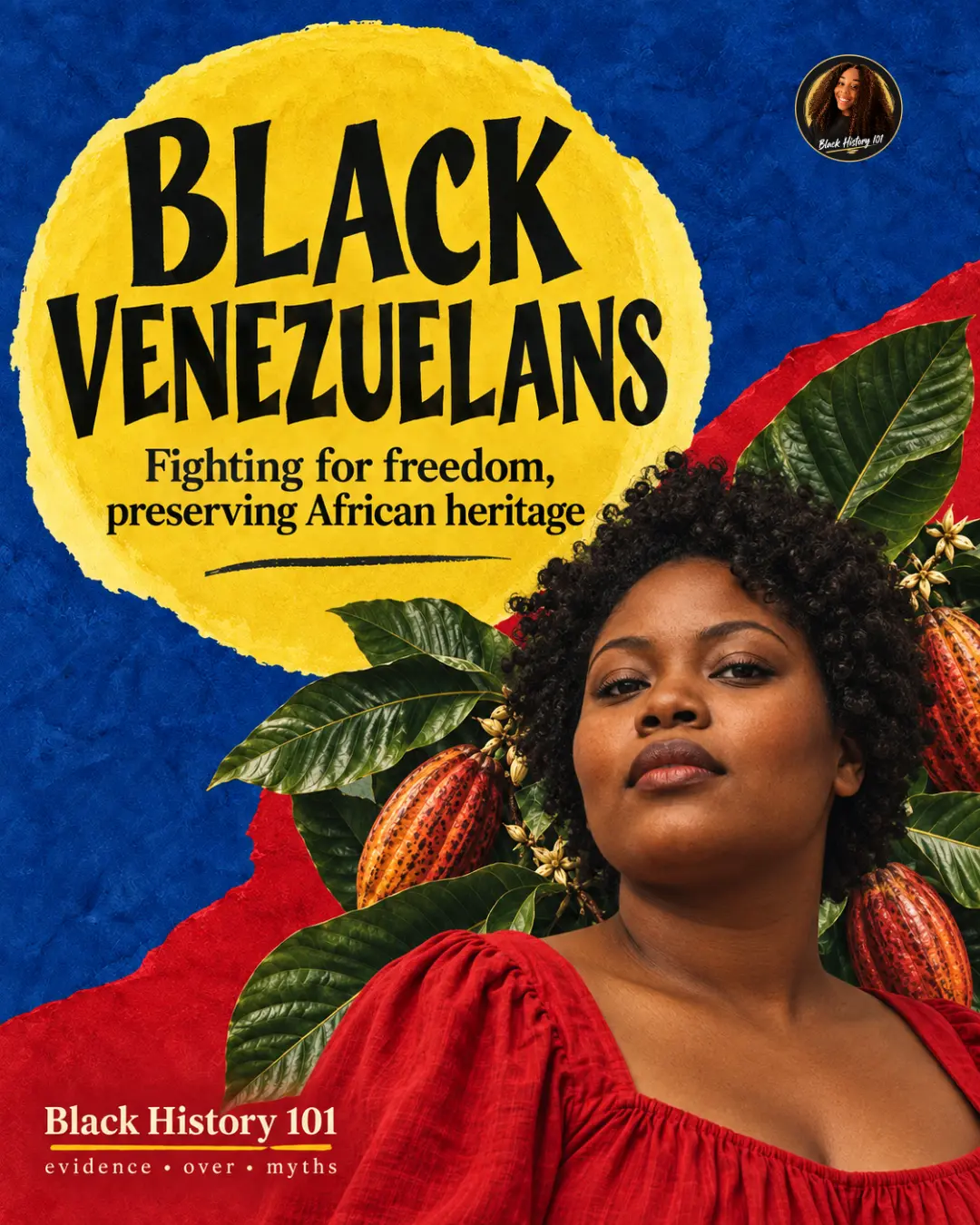
Black Venezuelans
Fighting for freedom, preserving African heritage
From the early 1500s, enslaved Africans in Venezuela worked in mining and agriculture, escaped to build their own communities, rose up at Coro in 1795, and sustained African traditions that their descendants continue to defend.
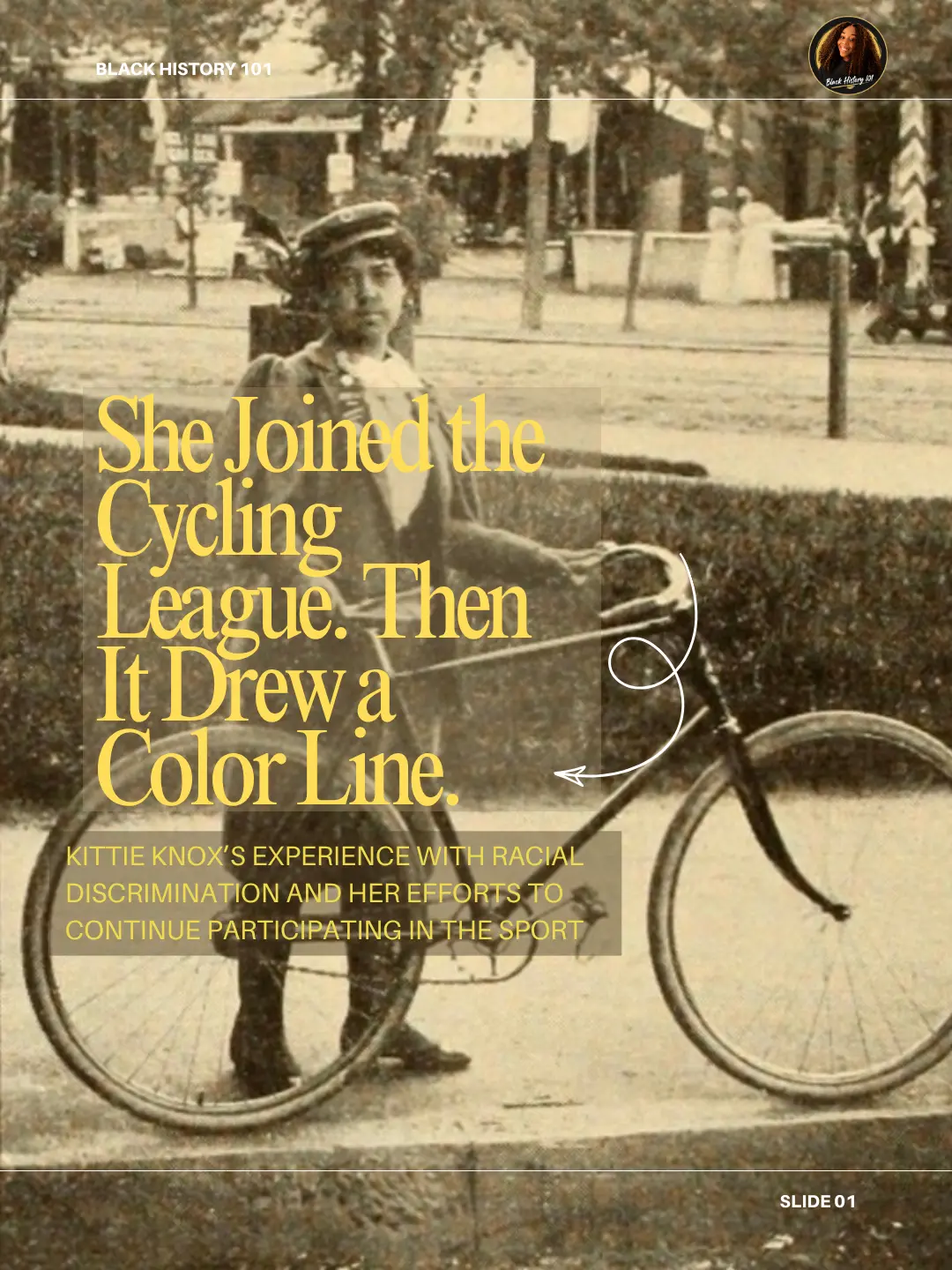
She Joined the Cycling League. Then It Drew a Color Line.
Kittie Knox's experience with racial discrimination and her efforts to continue participating in the sport.
Kittie Knox joined the League of American Wheelmen in 1893. When the league restricted new membership to white people the next year, her eligibility was questioned, and she kept presenting her credentials and riding.
Join The 101
The story doesn't end here.
Join The 101 and get the monthly Black History 101 letter—a story worth knowing, the context behind it, and what to read or watch next.
Free to join. Receive the monthly Black History 101 letter plus occasional updates about new resources, courses, and programs. Unsubscribe anytime.
Keep Learning
Classroom-ready Black history resources, courses and teaching materials.
Explore Educator ResourcesFor FamiliesResources for parents and caregivers who want to explore Black history at home.
Learn TogetherFor Curious MindsVisual essays, courses and resources for independent learners who want to go deeper.
Start Exploring