
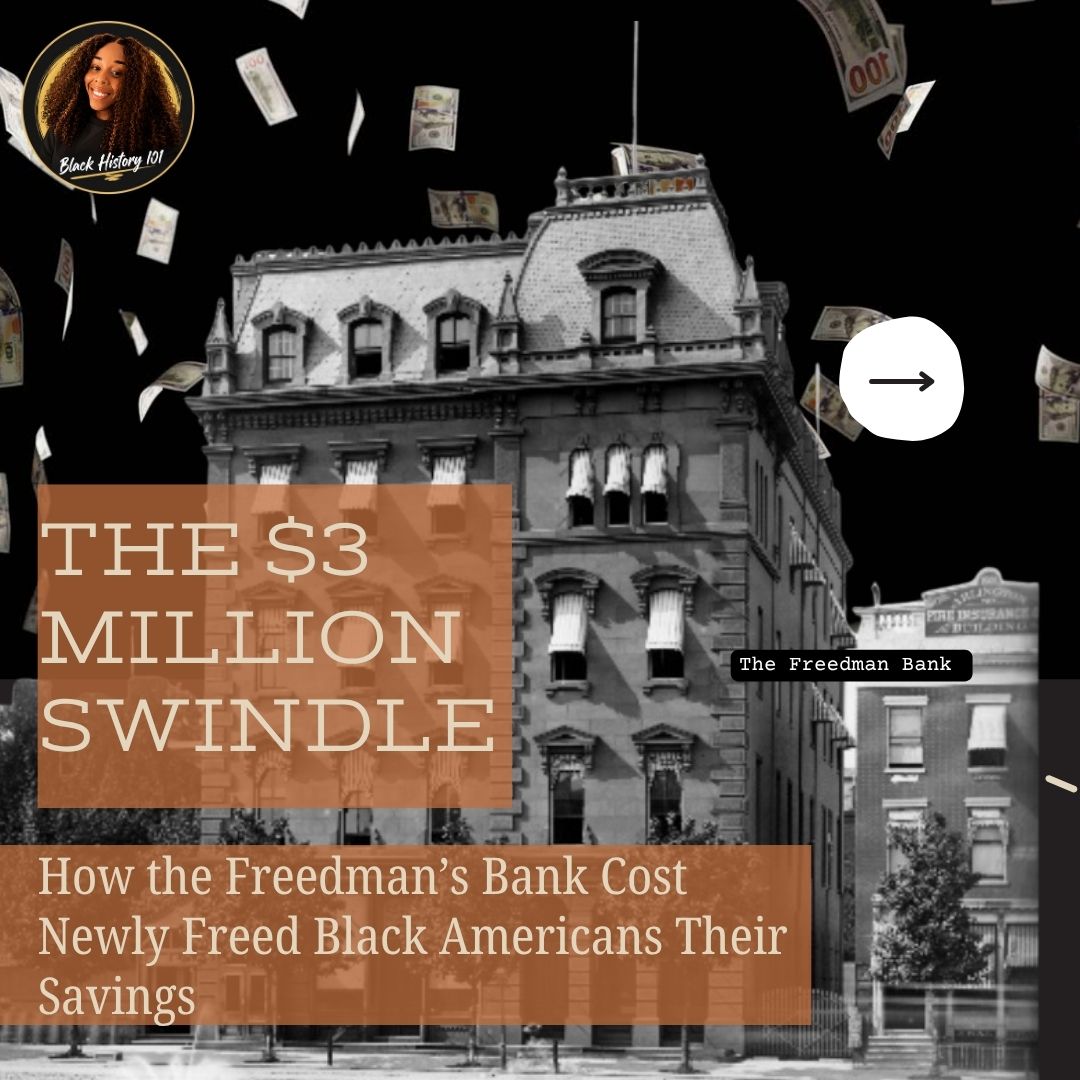
The $3 Million Swindle
How the Freedman’s Bank cost newly freed Black Americans their savings.
Publication date — to be added
Introduction
On March 3, 1865, Congress incorporated the Freedman’s Savings and Trust Company, commonly called the Freedman’s Bank, primarily for formerly enslaved Black Americans. Although it was a private corporation, its congressional charter led many depositors to believe their money was federally protected — it was not.
The bank’s failure was not a failure of Black Americans to save. Over its nine-year history, more than 70,000 clients — farmers, laborers, churches, and businesses — deposited more than $57 million, evidence that newly freed Black Americans were actively building financial security. But after Congress loosened the bank’s charter in 1870, bad loans, mismanagement, and what the National Archives identifies as outright fraud put those savings at risk.
When the bank closed in 1874, it held nearly $3 million belonging to more than 60,000 depositors but possessed only about $32,000 in cash. Frederick Douglass, brought in as president to restore confidence, testified that he knew nothing about banking — and discovered he was the only trustee who had deposited his own money. By 1880, only about 40 percent of deposits had been refunded.
Digital PDF
Keep this essay.
Explore downloadable Black History 101 Visual Essay learning guides for deeper learning, classroom use, and independent study.
Sources & Further Reading
- Douglass, Frederick. “I Knew Nothing About Banking: Testimony Delivered in Washington, D.C., on February 14, 1880.” In The Frederick Douglass Papers. Yale University Press, 1991.
- Office of the Comptroller of the Currency. “The Freedman’s Savings Bank: Good Intentions Were Not Enough; A Noble Experiment Goes Awry.”
- U.S. Department of the Treasury. “Life of Freedman’s Bank.”
- Washington, Reginald. “The Freedman’s Savings and Trust Company and African American Genealogical Research.” Prologue Magazine 29, no. 2 (Summer 1997).
Related Essays
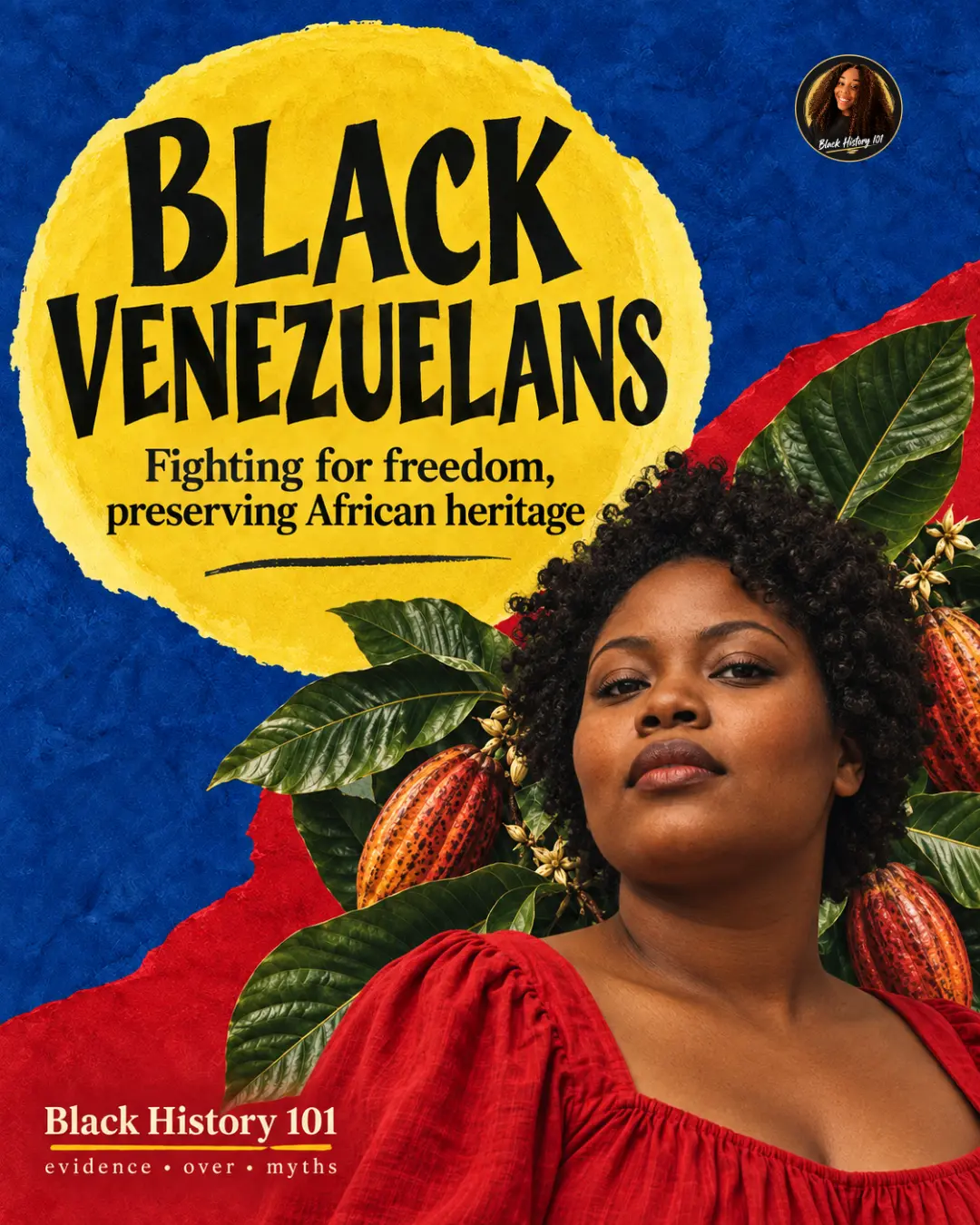
Black Venezuelans
Fighting for freedom, preserving African heritage
From the early 1500s, enslaved Africans in Venezuela worked in mining and agriculture, escaped to build their own communities, rose up at Coro in 1795, and sustained African traditions that their descendants continue to defend.
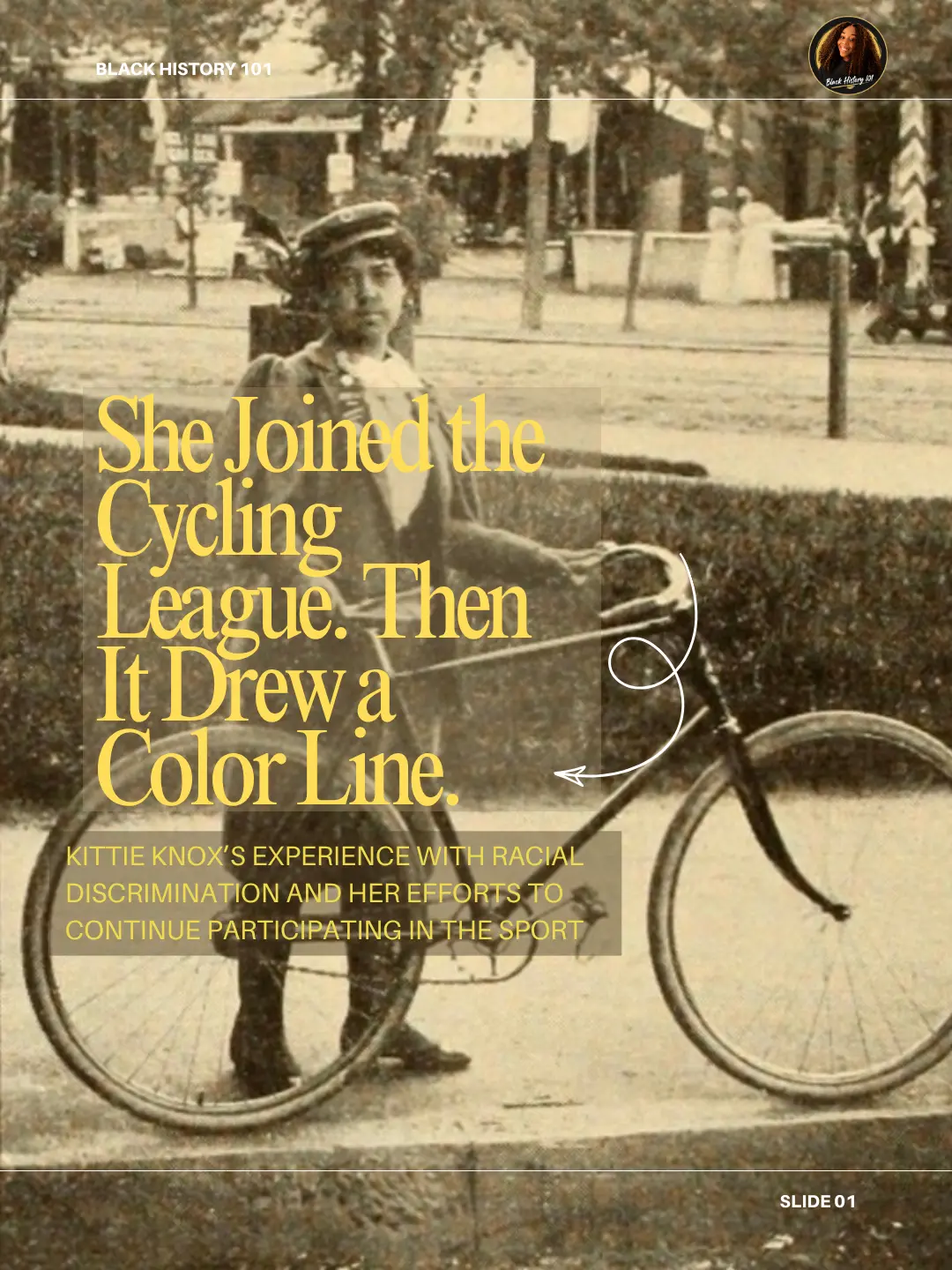
She Joined the Cycling League. Then It Drew a Color Line.
Kittie Knox's experience with racial discrimination and her efforts to continue participating in the sport.
Kittie Knox joined the League of American Wheelmen in 1893. When the league restricted new membership to white people the next year, her eligibility was questioned, and she kept presenting her credentials and riding.
Join The 101
The story doesn't end here.
Join The 101 and get the monthly Black History 101 letter—a story worth knowing, the context behind it, and what to read or watch next.
Free to join. Receive the monthly Black History 101 letter plus occasional updates about new resources, courses, and programs. Unsubscribe anytime.
Keep Learning
Classroom-ready Black history resources, courses and teaching materials.
Explore Educator ResourcesFor FamiliesResources for parents and caregivers who want to explore Black history at home.
Learn TogetherFor Curious MindsVisual essays, courses and resources for independent learners who want to go deeper.
Start Exploring