
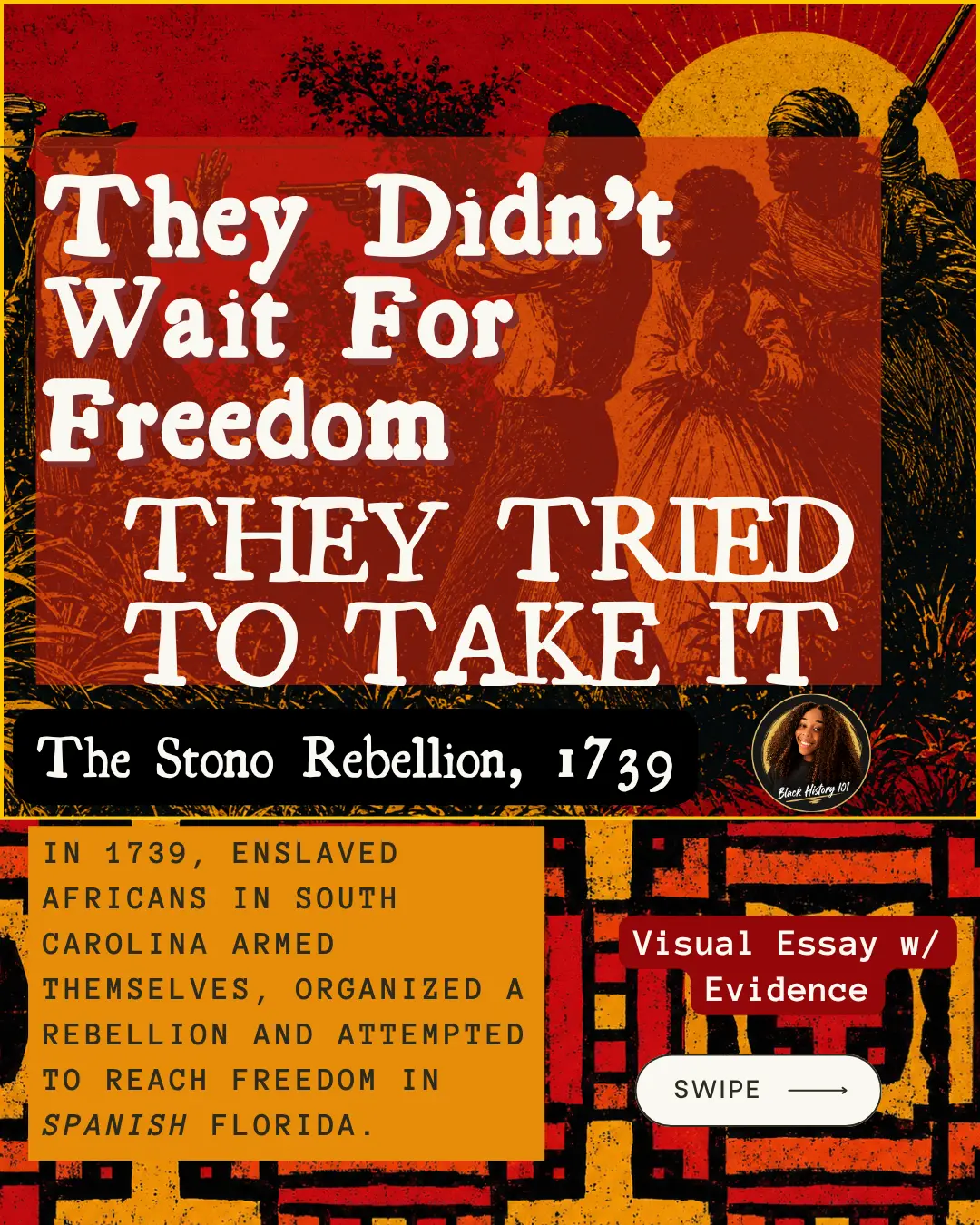
They Didn’t Wait For Freedom, They Tried To Take It
The Stono Rebellion, 1739.
Publication date — to be added
Introduction
In 1739, enslaved Africans in South Carolina armed themselves, organized a rebellion and attempted to reach freedom in Spanish Florida.
This visual essay follows the rebellion slide by slide, from the freedom that existed outside of South Carolina to what the aftermath of Stono reveals about slavery itself.
Digital PDF
Keep this essay.
Explore downloadable Black History 101 Visual Essay learning guides for deeper learning, classroom use, and independent study.
Sources & Further Reading
- Bull, William. Report concerning the Stono Rebellion. 1739.
- Oglethorpe, James. “An Account of the Negroe Insurrection in South Carolina.” 1739. Gilder Lehrman Institute of American History.
- South Carolina Commons House of Assembly. Committee Report concerning the Stono Rebellion. November 29, 1739. South Carolina Department of Archives and History.
- Butler, Nic. “The Stono Rebellion of 1739: Where Did It Begin?” Charleston Time Machine, 2022.
- Fleming, John E. “The Stono River Rebellion and Its Impact on the South Carolina Slave Code.”
- Niven, Steven J. “Jemmy.” Enslaved.org.
- Thornton, John K. “African Dimensions of the Stono Rebellion.” American Historical Review 96, no. 4 (1991): 1101–13.
- Wax, Darold D. “‘The Great Risque We Run’: The Aftermath of Slave Rebellion at Stono, South Carolina, 1739–1745.”
Related Essays
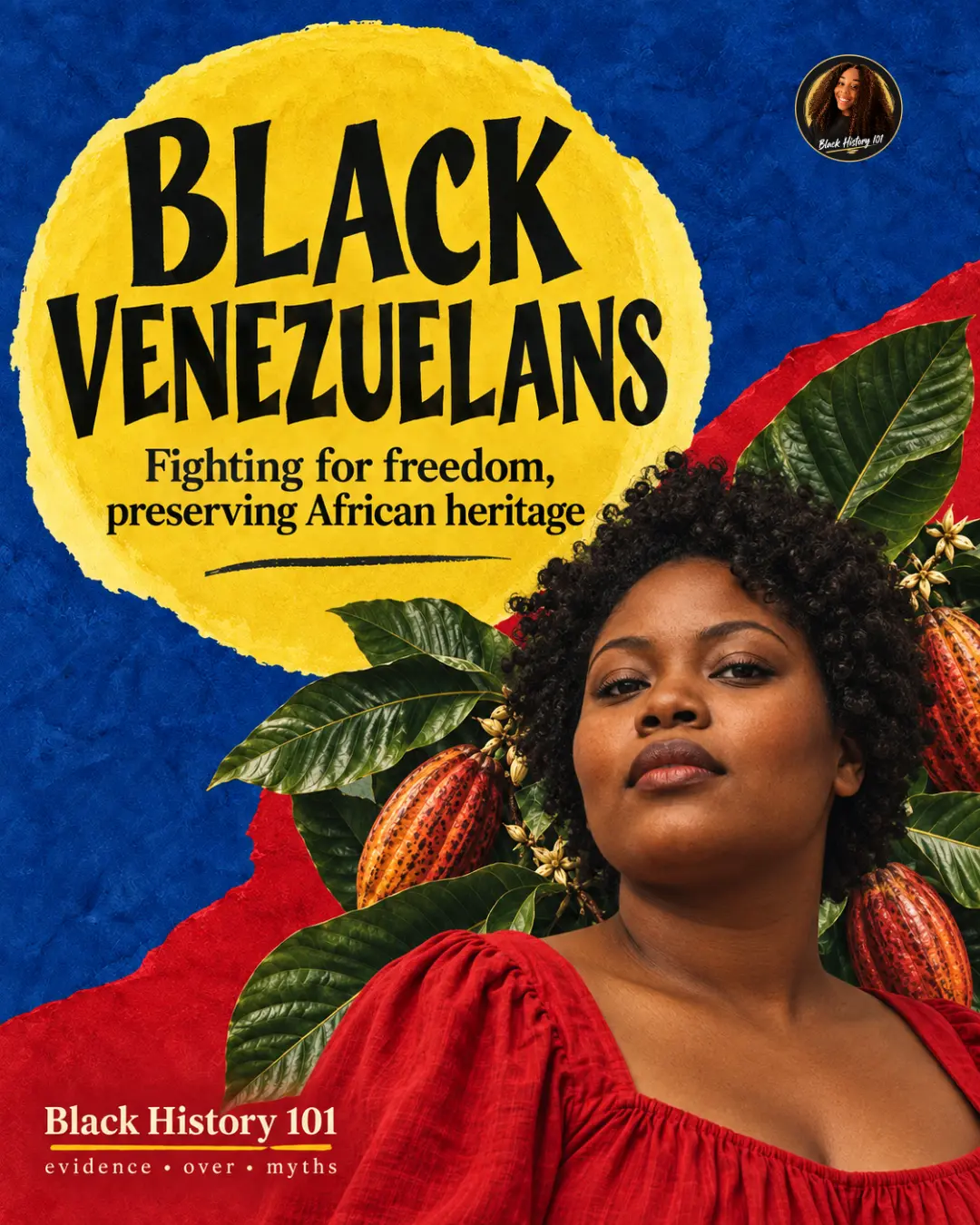
Black Venezuelans
Fighting for freedom, preserving African heritage
From the early 1500s, enslaved Africans in Venezuela worked in mining and agriculture, escaped to build their own communities, rose up at Coro in 1795, and sustained African traditions that their descendants continue to defend.
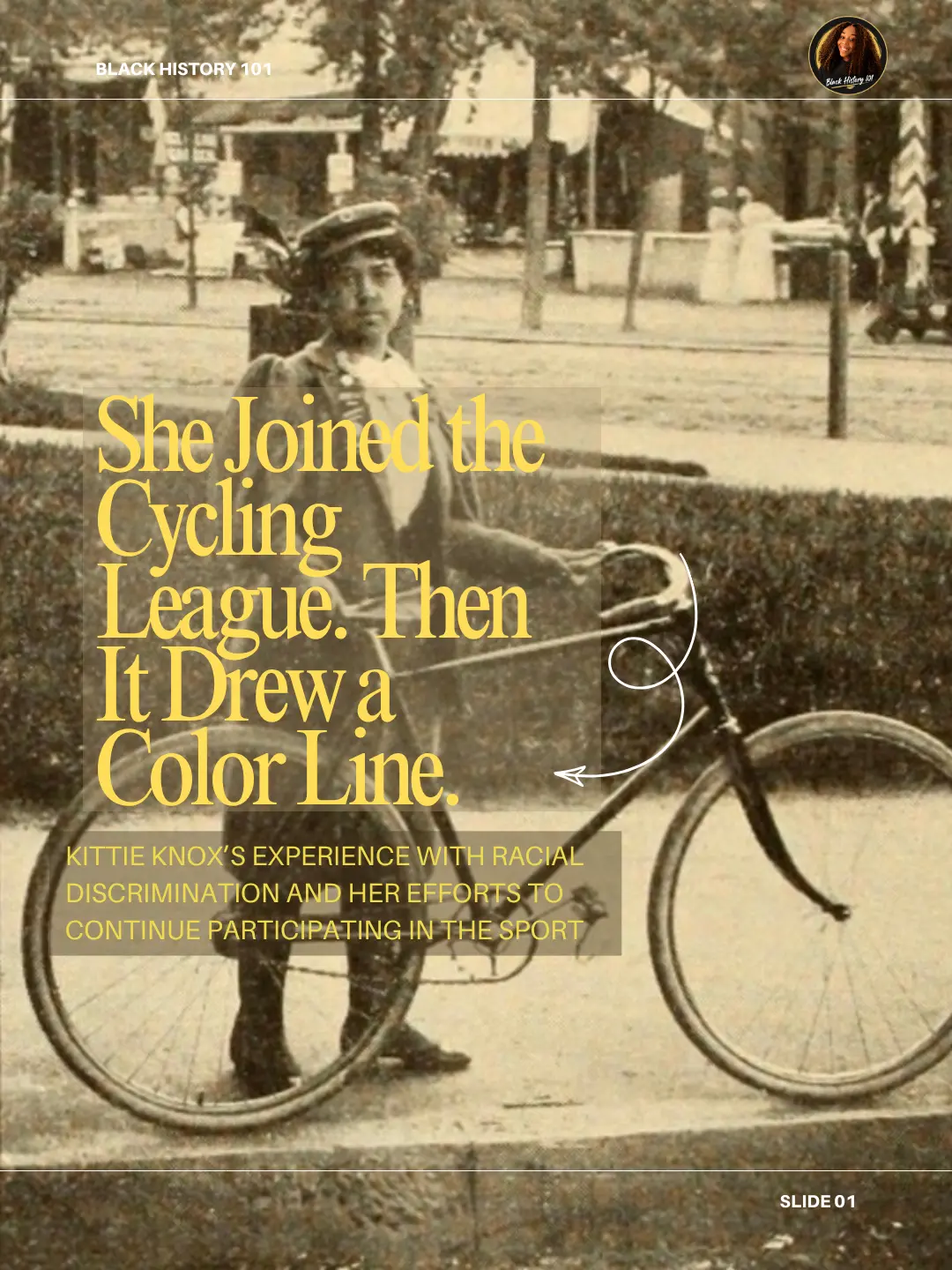
She Joined the Cycling League. Then It Drew a Color Line.
Kittie Knox's experience with racial discrimination and her efforts to continue participating in the sport.
Kittie Knox joined the League of American Wheelmen in 1893. When the league restricted new membership to white people the next year, her eligibility was questioned, and she kept presenting her credentials and riding.
Join The 101
The story doesn't end here.
Join The 101 and get the monthly Black History 101 letter—a story worth knowing, the context behind it, and what to read or watch next.
Free to join. Receive the monthly Black History 101 letter plus occasional updates about new resources, courses, and programs. Unsubscribe anytime.
Keep Learning
Classroom-ready Black history resources, courses and teaching materials.
Explore Educator ResourcesFor FamiliesResources for parents and caregivers who want to explore Black history at home.
Learn TogetherFor Curious MindsVisual essays, courses and resources for independent learners who want to go deeper.
Start Exploring